
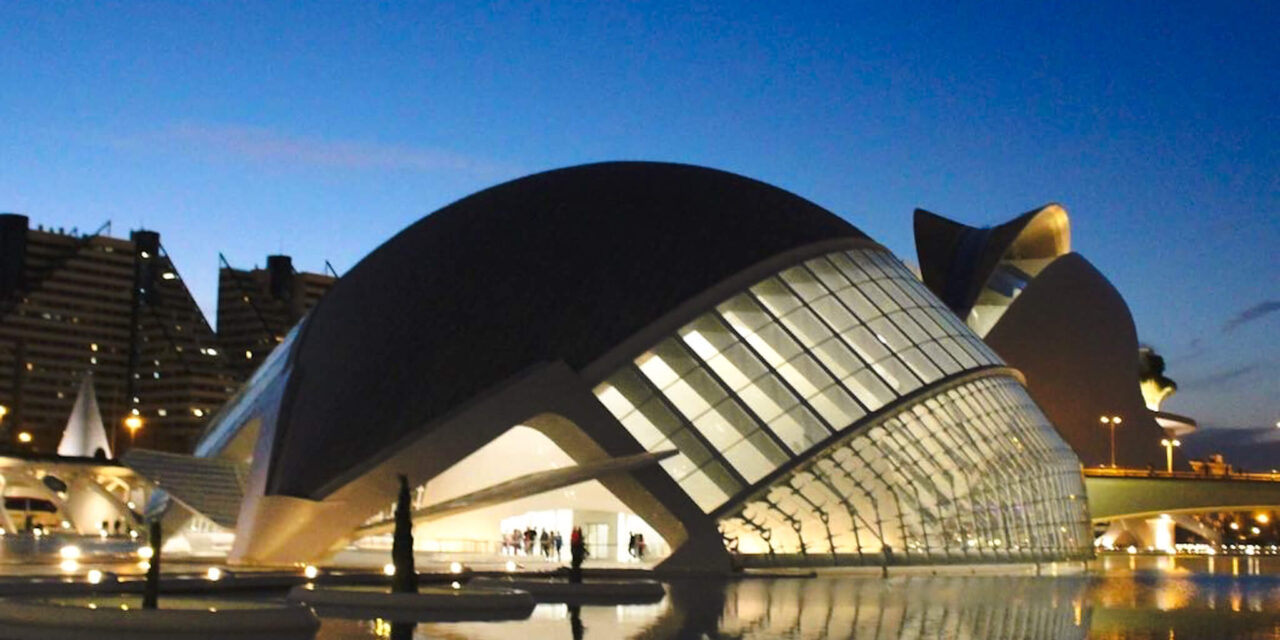
Valencia has been my home in Spain and a base for traveling across the country for the past 15 years. Here’s the ultimate city guide with 35+ things to do in Valencia, allowing you to easily create your own Valencia bucket list.
- This post contains affiliate links from which I earn a commission (at no extra cost to you). For more info, please read my disclosure. As an Amazon Associate, I earn from qualifying purchases.
An Ultimate Local’s Guide to Valencia, Spain
Visiting Valencia for the first-time
While my blog features numerous articles about Valencia under the hashtag #Valencia, including itineraries, day trips, and hidden gems, I wanted to create a more detailed post to highlight the unique experiences this city offers. This guide will be especially helpful for first-time visitors to get a comprehensive view of the activities available in Valencia.
As Spain’s third-largest city and the birthplace of paella, Valencia is a unique destination that combines futuristic architecture with historic landmarks, and it definitely deserves a spot on any Spain bucket list.
What is Valencia known for
- Valencia is famous as the birthplace of paella, Spain’s iconic rice dish.
- The city is famous for Las Fallas, one of the most iconic Spanish festivals.
- The City of Arts and Sciences, which houses a science museum, planetarium, and one of Europe’s largest aquariums, is the city’s trademark.
- Valencia is one of the top destinations for ceramic lovers in Spain, with a deeply rooted pottery tradition.
- The Cathedral of Valencia houses the Holy Grail, one of Catholicism’s most significant relics.
- The region of Valencia was once home to some of the most famous Spaniards in history, such as the painter Joaquín Sorolla and the Borgia family.
How long to stay in Valencia
I would recommend spending at least 3 to 4 days exploring Valencia and its unique day trips. However, on my blog, you can find various itineraries to explore my home region like a local, ranging from 1 or 2 days to a week, or even a full Valencia road trip itinerary.
Choose the number of days based on the places you want to visit in the city and its surroundings. In this list of things to do in Valencia, you can check out the main highlights of the city and the region, and decide how long to stay based on the number of things you wish to explore.

Best area to stay in Valencia
Valencia isn’t as large as Madrid, which makes it one of the most walkable cities in Spain. If you’re planning to explore the city itself, I recommend staying in a hotel in the Old Town or Ciutat Vella. However, Quatre Carreres, near the City of Arts and Sciences, is a bit more spacious, accessible, and budget-friendly, especially if you plan to rent a car and explore the nearby landmarks of the region.
Ruzafa is another popular area, with plenty of cute cafes and restaurants, and it’s close to the train station if you plan to take day trips by train. Then there’s El Cabanyal, a neighborhood by the seaside. Personally, I’m less fond of it, but it makes sense for those planning to spend a lot of time at the beach.
Overall, there are many beautiful boutique hotels in the city center of Valencia, known for their unique charm and great reviews, like MYR Marqués House, MYR Palacio Vallier, Helen Berger Boutique Hotel, The Valentia Corretgería, SH Ingles Boutique Hotel, Only YOU Hotel Valencia, ESTIMAR Valencia, Vincci Lys, and Caro Hotel.

35+ Things to Do in Valencia, Spain
1. Visit the City of Arts and Sciences
Valencia’s most iconic modern landmark, the City of Arts and Sciences, is a futuristic architectural marvel designed by Spanish architect Santiago Calatrava. This complex includes a science museum, an opera house, a planetarium, and Europe’s largest aquarium. It’s a popular stop in the city, so to avoid the waiting line, be sure to book your entrance tickets in advance. You can use my 5% discount code ATC5 via Tiqets here (although it is not applicable for bundles and combo entrances).

2. Discover the Holy Grail and the Valencia Cathedral
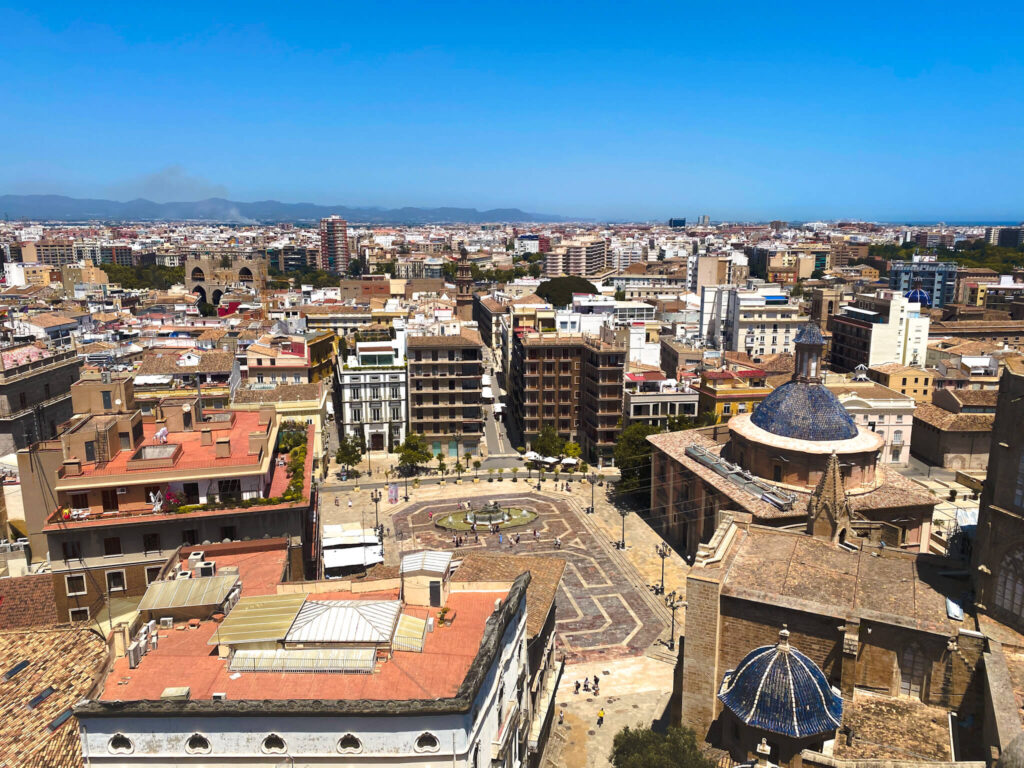
The Valencia Cathedral is one of the most unique landmarks in the city, offering visitors the opportunity to enjoy stunning panoramic views from its tower. Inside, you can also see the Holy Grail, believed to be the 1st-century Christian cup that Jesus used during the Last Supper.
3. Explore the charming Old Town and the historic Barrio del Carmen
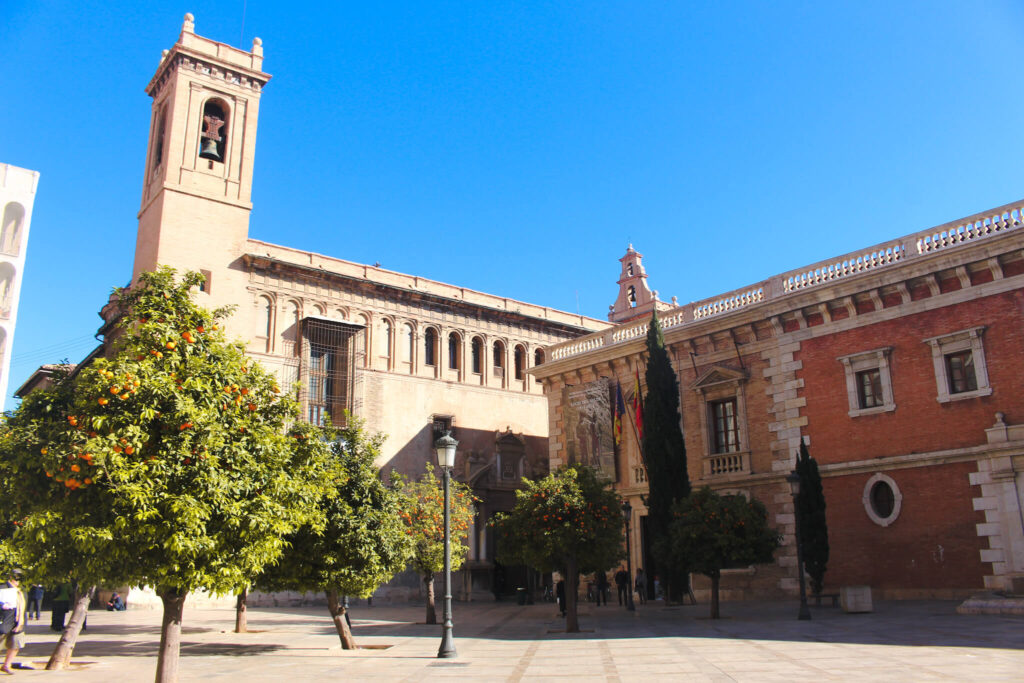
The Barrio del Carmen is one of Valencia’s oldest and most charming neighborhoods, brimming with narrow streets, historic buildings, and vibrant cafes and shops. It is primarily a pedestrian area, perfect for wandering through its maze-like alleys and exploring hidden gems at every turn.

4. Walk or Bike the Turia Gardens
Turia Gardens is a vast green space that stretches through the city of Valencia, created from a former riverbed that was transformed into a recreational area and the city’s green hub. It is the ideal spot for a leisurely stroll, cycling, or simply relaxing in nature.
Within this expansive park, you’ll find attractions such as the City of Arts and Sciences, a futuristic architectural complex, and Parque Gulliver, a popular destination for families with children, featuring large play structures inspired by the story of Gulliver’s Travels.

5. Admire the Central Market
Valencia’s Central Market, or Mercado Central, is one of the largest fresh food markets in Spain, located in a stunning modernist building. This bustling market offers an impressive variety of fresh local products, including seasonal fruits, freshly caught seafood, meats, and traditional Spanish sweets. You can pick up some food souvenirs at the market. However, in my guide to Spanish food souvenirs, I also mention that Alcampo/Auchan offers a wide selection of Spanish food brands.
Visitors can also enjoy the region’s iconic drink, horchata, often served with fartons (sweet, elongated pastries), making it a must-try treat while exploring the market.


6. Visit the Lonja de la Seda
One of the most unique Valencia buildings considered a UNESCO World Heritage Site is the Lonja de la Seda (former Silk Exchange). The building is known for its impressive Gothic ceilings and architectural elements. This historic site was once the center of Valencia’s booming silk trade during the Middle Ages, which was one of the city’s main industries at the time.
However, today it serves as a reminder of the city’s silk heritage from the 15th century, as silk production is no longer done in Valencia (by the way, you can learn more about the city’s historical silk industry by visiting the Valencia Silk Museum). Still, Valencia’s silk-rich past is largely reflected in lavish fallera costumes during Las Fallas festival and handmade local souvenirs, like the fallera bag.


7. Try Authentic Paella
Valencia is the birthplace of paella, and no visit is complete without trying this iconic Spanish dish. A popular area to try paella is the seaside restaurants in the El Cabanyal district, such as El Trompo or La Pepica.
However, in my opinion, to experience the most authentic Valencia paella and other local dishes, you should take a day trip to Alboraya (you can read more about the food and restaurants there in my Spain for Foodies post). If you’ve already tried the classic Valencian paella, you can find more inspiration in this post on my favorite Spanish rice dishes, or explore more local specialties in my guide to Valencia’s food scene.

8. Relax at Malvarrosa Beach
One of the city’s main beaches in Valencia is Malvarrosa, known for its golden sandy shore and plenty of beachfront restaurants to enjoy. The best thing about this beach is that it is within the city limits, so you can easily combine a visit with any Valencia city break without needing to drive far.
However, if I’m completely honest, I’d never go to Malvarrosa myself if my plan was a beach holiday, as I much prefer the beaches in nearby small towns like Canet d’en Berenguer or even Benicàssim.

9. Stroll Through the Ruzafa District
Ruzafa is one of Valencia’s trendiest neighborhoods, known for its quirky cafes, vibrant nightlife, and boutique shops. I’d say it has a bit of a hipster vibe, and most of the trendiest breakfast and coffee spots in the city are located here. So, it’s a great place to grab a drink and soak in the local atmosphere.
Ruzafa is one of the best areas for vintage shopping in Valencia – you can read more in this guide.

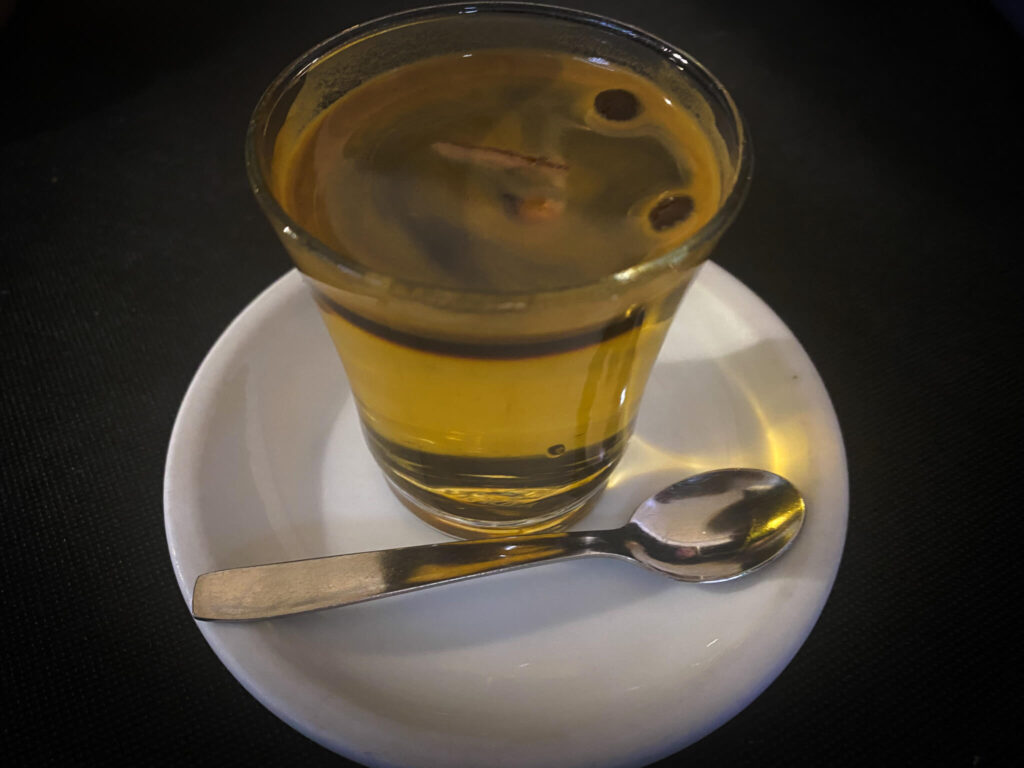
10. Try authentic Valencian almuerzo
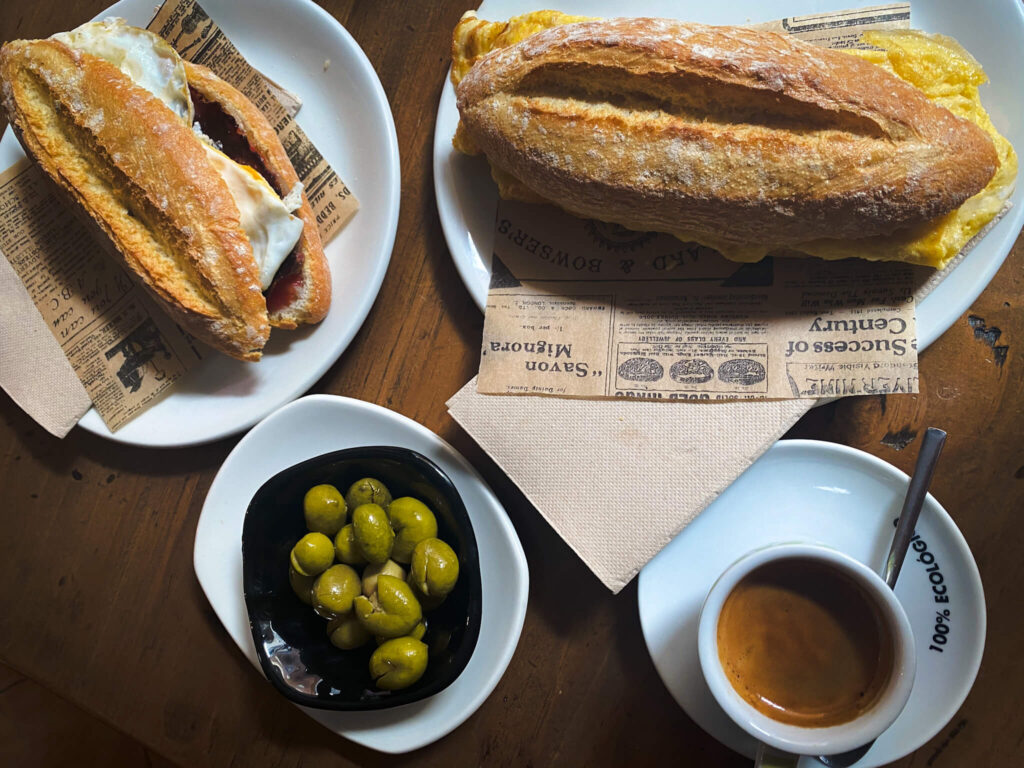
Almuerzo is a Spanish midmorning snack, but if you visit one of the traditional bars where locals go, you’ll see that it’s a whole cultural ritual that international travelers often miss out on in Valencia. You can learn more details about it in this post.
11. Visit Albufera Natural Park
Located just outside Valencia, Albufera Natural Park is one of the most popular day trips from the city, offering a peaceful escape from the hustle and bustle. Known for its wetlands, rice paddies, and stunning sunsets, the park is perfect for birdwatching and enjoying authentic Valencian cuisine in a traditional setting.
Most of the restaurants there are simple and unpretentious, serving delicious dishes based on old local recipes. Albufera is also a popular spot for a sunset boat cruise and hiking in the Devesa del Saler area.

12. Check Out the Valencia Bioparc
If you’re visiting Valencia with kids, the Bioparc Valencia is a must-stop. This zoo is designed to resemble natural habitats as closely as possible. Children will enjoy seeing African wildlife in environments that mimic the savannah, wetlands, and more.

13. Experience Las Fallas Festival
If you’re taking a trip to Valencia in March, don’t miss the Las Fallas festival, one of Spain’s biggest cultural events. Giant papier-mâché figures are built throughout the different neighborhoods, which compete to win the first prize every year. You can read more about my visit in this post.

14. Check out the stunning ceilings of San Nicolás Church
The San Nicolás Church in Valencia (officially known as Iglesia de San Nicolás de Bari y San Pedro Mártir in Spanish) is renowned for its stunning ceiling, considered one of the most beautiful in Spain. This Baroque-style church, dating back to the 13th century, features intricate frescoes and ornate artwork that make its interior truly breathtaking.

15. Visit La Tomatina Festival
If you’re visiting Valencia in August, it’s a popular time to plan a day trip to the La Tomatina Festival in Buñol, one of the world’s most unique and iconic food fights. It’s definitely one of the most unusual experiences in Spain, though I must admit that the whole event left me with mixed feelings. From the excitement and chaos of the tomato fight to the aftermath, it’s an experience that’s hard to forget. You can read more about my visit and get all the details in this post.

16. Visit the Museum of Fine Arts
The Museum of Fine Arts of Valencia, known as the Museo de Bellas Artes de Valencia, boasts an extensive collection of Spanish art, featuring renowned works by masters such as Goya, Velázquez, and El Greco.
The collection prominently highlights religious themes, which is not surprising given that, historically, the Catholic Church in Spain was one of the few institutions with the wealth to commission and fund artists. One of the museum’s great advantages is its free admission, making it accessible to all visitors and allowing everyone to enjoy its cultural treasures.
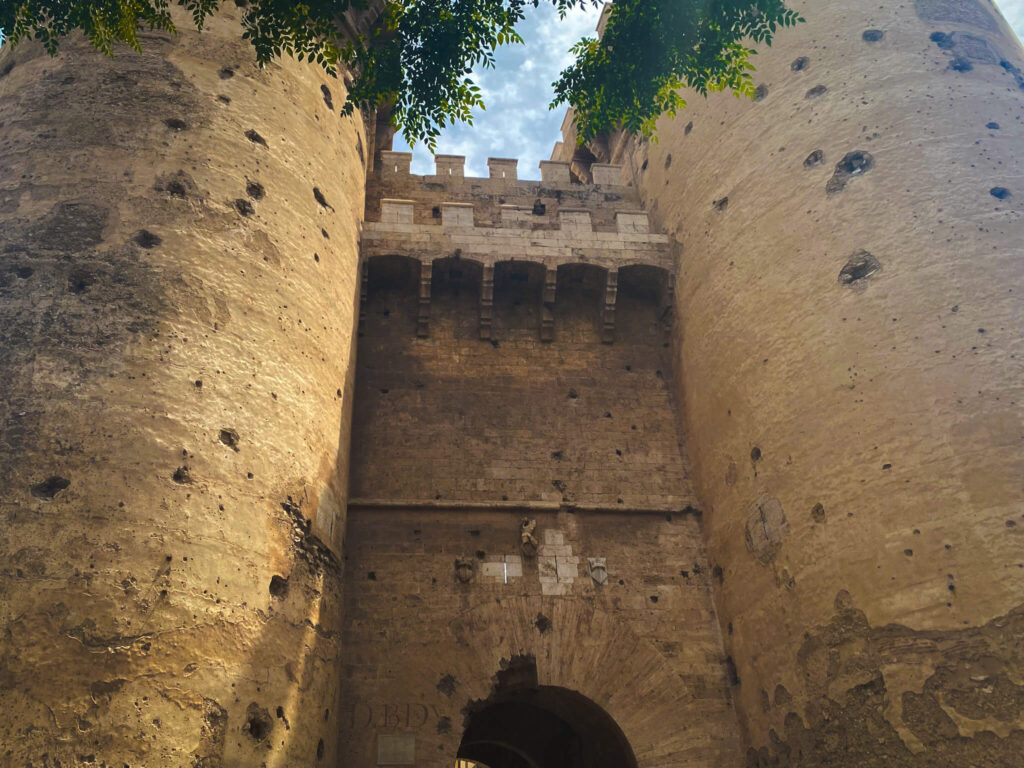
17. Climb Torres de Serranos
The Torres de Quart, along with the Torres de Serranos, are medieval towers that were once part of Valencia’s defensive city walls. These iconic towers served as key entry points to the city and played a significant role in its fortification. Visitors can climb to the top for panoramic views of the city, including the historic center and the lush Turia Gardens below. The Torres de Quart are also notable for the visible cannonball damage they sustained during the Peninsular War in the early 19th century.
18. Check Out the Fallas Museum
Even if you don’t get the chance to visit Valencia in March during Las Fallas, you can still explore the city’s famous festival at the museum Museo Fallero. Here, you’ll find preserved ninots (intricate figurines) from past Las Fallas celebrations, along with detailed exhibits on the history of the festival. The museum also provides insight into the creative process behind making these impressive sculptures, which are crafted by local artisans and often reflect political or social satire.

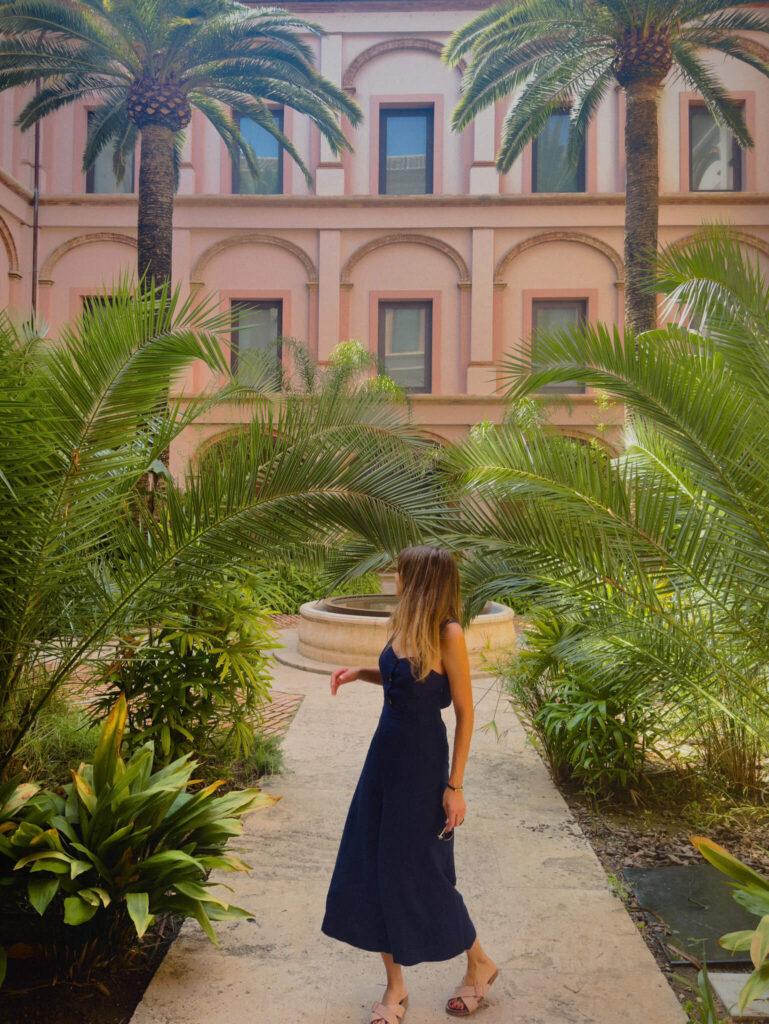
19. Visit the botanical garden
Those who enjoy exploring beautiful gardens in Spain shouldn’t miss the Jardín Botánico in Valencia. This beautiful botanical garden offers a refreshing setting filled with vibrant flowers and lush greenery. While it may not be as tranquil as Jardín de l’Albarda in Alicante, it boasts an extensive collection of plants. When I visited, it wasn’t overcrowded, which was a nice change compared to many other city landmarks.

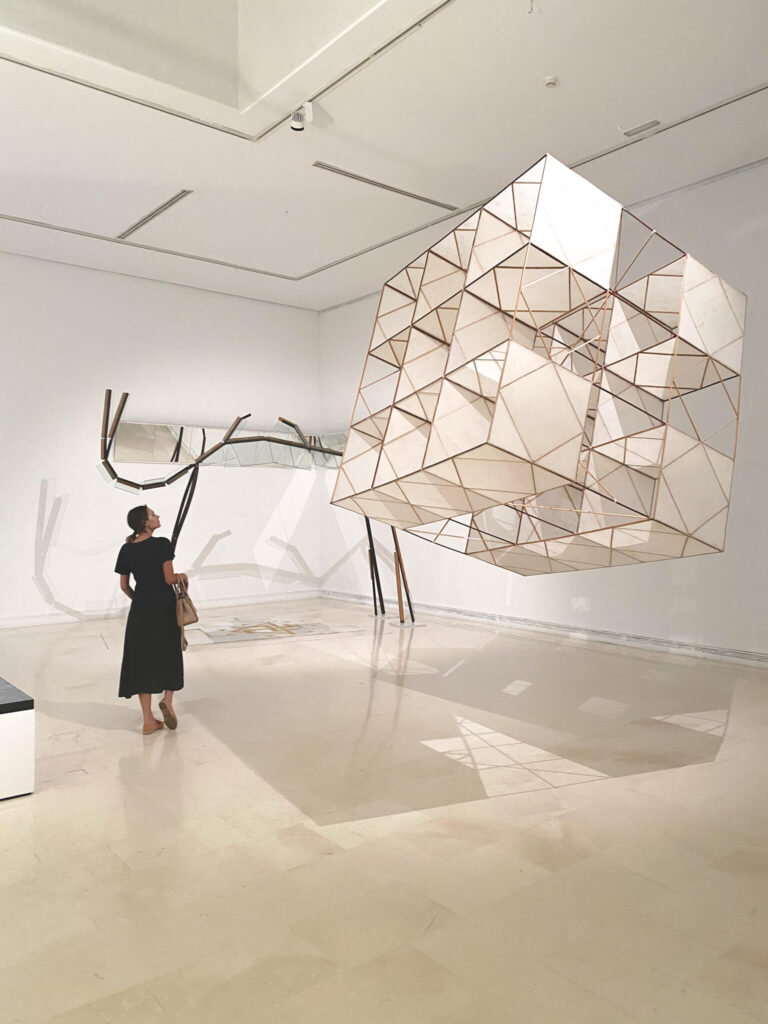
20. Visit the Modern Art Museum
Fans of modern art in Spain shouldn’t miss the IVAM (Institut Valencià d’Art Modern), Valencia’s modern art museum. When I visited, it featured impressive temporary exhibits that showcased a wide range of contemporary works. While modern art isn’t always my favorite, the museum’s diverse collection and engaging exhibitions made it a worthwhile experience.
21. Try Horchata and Fartons
Horchata is a traditional Valencian drink made from tiger nuts, commonly enjoyed with fartons, a soft, elongated pastry perfect for dipping. In Valencia’s city center, you can sample it at Horchatería Santa Catalina, one of the city’s oldest cafés, as well as at the Mercado Central, Valencia’s bustling market.
However, for the most authentic experience, a visit to Horchatería Daniel in Alboraya, just outside the city, is a must. This large establishment is renowned not only for its traditional horchata but also for offering horchata-based cakes and pastries, making it a true horchata lover’s paradise. You can read more about Valencia’s food scene in this post.

22. Learn to make an authentic paella
Valencia offers a wide variety of cooking classes that allow you to dive into the rich local cuisine, and many of them even share some secret tips unique to the region. Among these, the most popular by far is the paella class, a must for anyone interested in mastering this iconic Valencian dish.
Last year, I personally attended a paella class through Eatwith, and despite my husband’s family being from the Valencian countryside – where his mother still makes traditional paella every Sunday – and running a Spanish food blog, Viva Spanish Kitchen, I still managed to pick up some fascinating new insights.
What’s great about Valencia is that you can take multiple cooking classes and always learn something new. Each local chef brings their own unique approach and expertise, so even if you think you know the basics, there’s always more to discover, from cooking techniques to sourcing the best local ingredients.


23. Visit the Ceramics Museum
As a passionate lover of Spanish ceramics, I make it a point to visit every museum I can find across Europe dedicated to this vibrant art form (even the lesser-known ones, such as the one in Savona). One of the most memorable visits in Valencia was to the National Museum of Ceramics.
The museum is housed in a stunning 18th-century Rococo palace, known for its intricate and ornate façade. Inside, it features an extensive collection of traditional handmade ceramic pieces, showcasing the rich history and craftsmanship of Spanish pottery.

24. Learn more about the history of Valencia
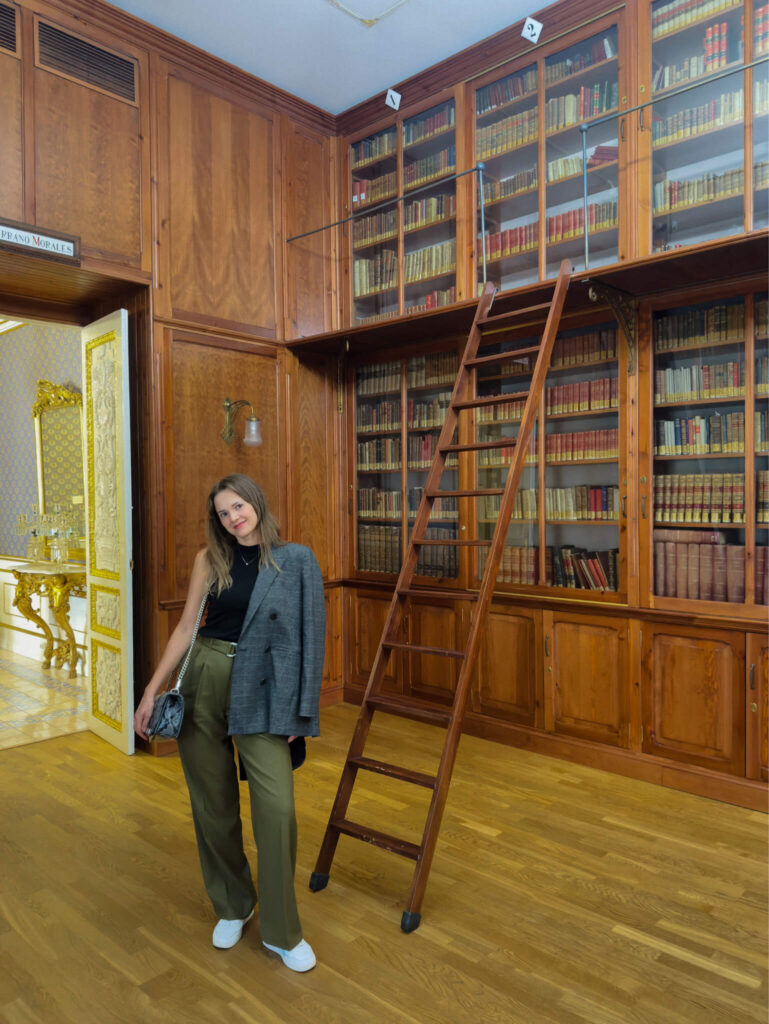
The best places to explore the rich history of Valencia and the surrounding region are the Valencia Museum of Ethnology and the Prehistory Museum of Valencia, both conveniently located within the same building. I was particularly impressed by the Ethnology Museum, especially as we visited with children. It offered a surprisingly engaging and interactive experience, unlike many traditional museums in Europe where kids can easily lose interest.

26. Take a boat tour at Port Saplaya
Known as “Little Venice,” Port Saplaya is a charming and colorful Spanish village just outside Valencia. It’s a popular day trip destination, offering visitors the chance to enjoy a picturesque walk along the marina, with its beautiful houses and serene waterways, or take a relaxing boat tour. Port Saplaya is often combined with a visit to Horchatería Daniel in Alboraya, as both Port Saplaya and Alboraya are located just outside the city, making them ideal for a peaceful escape from the hustle and bustle of Valencia.

27. Visit the ceramic town of Manises
Near the Valencia Airport, you’ll find the charming town of Manises, renowned for its rich and long-standing pottery tradition, which has earned it recognition as a UNESCO Creative City of Crafts and Folk Art. In addition to the Manises Ceramic Museum, the town hosts several unique ceramic exhibitions that feature a modern twist on traditional craftsmanship. I was recently surprised to see Manises ceramics even at the Cluny Museum in Paris. For more information about Manises and its vibrant cultural heritage, be sure to check out this post.

28. Explore the lesser-known museums of Valencia
Along with some of the well-known museums in Valencia, the city is also home to many lesser-known gems that are worth exploring, especially if you have more than three days in the city or have already visited the major museums.
Some of the most interesting secret museums in Valencia, in my opinion, include the L’Iber Toy Soldier Collection, the House Museum of Jose Benlliure, the Silk Museum (Museo de la Seda), the City Museum (located inside the Palacio Marqués de Campo) and the Rice Museum (Museo del Arroz). Each of these museums offers an intimate, often overlooked perspective on different aspects of Valencian life, from historical artifacts to local decorations.
29. Go hiking near Valencia
Combining a city break with a hiking getaway is a popular choice for nature lovers in Spain. While, in my opinion, the hiking trails in Valencia may not compete with those in the renowned Spanish national parks of the Pyrenees, there are still several unique and beautiful hikes worth exploring. The most famous of these is undoubtedly the Ruta de los Puentes Colgantes (Route of the Hanging Bridges) in Chulilla. However, there are plenty of other hiking trails to discover, and you can find a full list of options in this post.
For those looking to escape the crowds, I highly recommend checking out hiking opportunities in the nearby region of Castellón. Although it borders Valencia, it remains largely undiscovered by international travelers, offering a more peaceful and authentic experience. You can read more about these hidden gems here.

30. Visit the Borgia landmarks
Not many international visitors know that the Valencia region is the birthplace of two popes of Rome, with Rodrigo Borgia (Pope Alexander VI) being the most famous. Rodrigo’s life, marked by intrigue and scandal, inspired a TV series where he is portrayed by Jeremy Irons. The entire region is rich in landmarks connected to this infamous family, especially in towns like Xàtiva and Gandia. You can explore a full list of these historical sites and their connections to the Borgias in this post.

31. Visit the hot springs in Montanejos
Another popular spot that is easily accessible from Valencia is the Montanejos hot springs. This area is renowned for its natural springs, with water temperatures averaging around 25°C year-round, making it a favorite place for Spaniards, especially in the summer. Montanejos has a rich history, with the site being originally discovered by the Moors, who even built baths in the area to take advantage of the healing waters.
While Montanejos offers a stunning natural setting, I wouldn’t recommend visiting during the summer months, as the area can become very crowded with locals and tourists. You can read more here. Montanejos is also home to several scenic hiking trails – one of which is featured in the video below – which I describe in detail in this post.

32. Take a road trip across the Valencia region
A great way to maximize your visit to Valencia is by combining a simple city break with a scenic road trip to fully experience the region. For a detailed guide, you can check out my 7-day itinerary in this post. Another fantastic option would be to drive from Valencia to Alicante, Madrid, or Barcelona, discovering new Spanish landmarks and cultural gems along the way.

33. Explore the villages of Valencia
Valencia still retains a lot of its traditional charm. However, the city increasingly attracts more visitors and expats from all over the world, as well as Mediterranean cruise passengers. From my personal experience, I can clearly see how much the city has evolved over the past decade. I first visited Valencia nearly 20 years ago, and the Valencia of today is vastly different.
If you’re looking to experience a glimpse of traditional Spanish lifestyle and enjoy the feel of the local countryside, visiting the villages in the Valencia region is definitely a great idea. There are several picturesque towns in the region, such as Bocairente, that are worth exploring. Additionally, Peñíscola and Morella are popular day trips from Valencia. While they aren’t the closest towns to the city, both are considered among the most beautiful small towns in Spain. It’s no wonder travelers are eager to visit them, despite the long drive.

34. Go shopping in Valencia
Valencia is full of shops where you can find everything from international and Spanish brands to food souvenirs and local crafts.Calle Colón is one of the most important and vibrant streets and Poeta Querol is known for its exclusive boutiques, providing high-end shopping experiences. The area around the Mercado de Colón is also bustling with trendy shops and smaller, unique boutiques, perfect for discovering local style. You can find my full Valencia shopping guide in this post.
For those looking for larger shopping centers, there are several popular malls worth visiting: Centro Comercial Nuevo Centro, Centro Comercial El Saler, Aqua Multiespacio + El Corte Inglés (located right in front of the stunning City of Arts and Sciences), and Centro Comercial Bonaire.

35. Flamenco in Valencia
While I often highlight on the blog that the most authentic flamenco in Spain should be experienced in Granada or Seville, where it originated, many travelers can’t visit all the major Spanish cities in one trip. So, if you’re only staying in Valencia and don’t plan to travel to Southern Spain, attending a flamenco performance in Valencia (like Palosanto, La Linterna, or Ca Revolta) is still well worth it.
36. Discover Valencia Hidden Gems
If you love exploring places where few tourists have ventured, or if this isn’t your first visit to Valencia and you’ve already seen much of the city, I can assure you that there are still plenty of surprises waiting for you within the city and its surroundings.
Check out my blog series, Valencia Hidden Gems, where I share lesser-known spots in the city, nearby areas, and an extensive list of hidden gems across the entire Valencia region. With places like this secret fan museum, there’s so much more to discover beyond the usual tourist spots in/near the city.

37. Oranges in Valencia
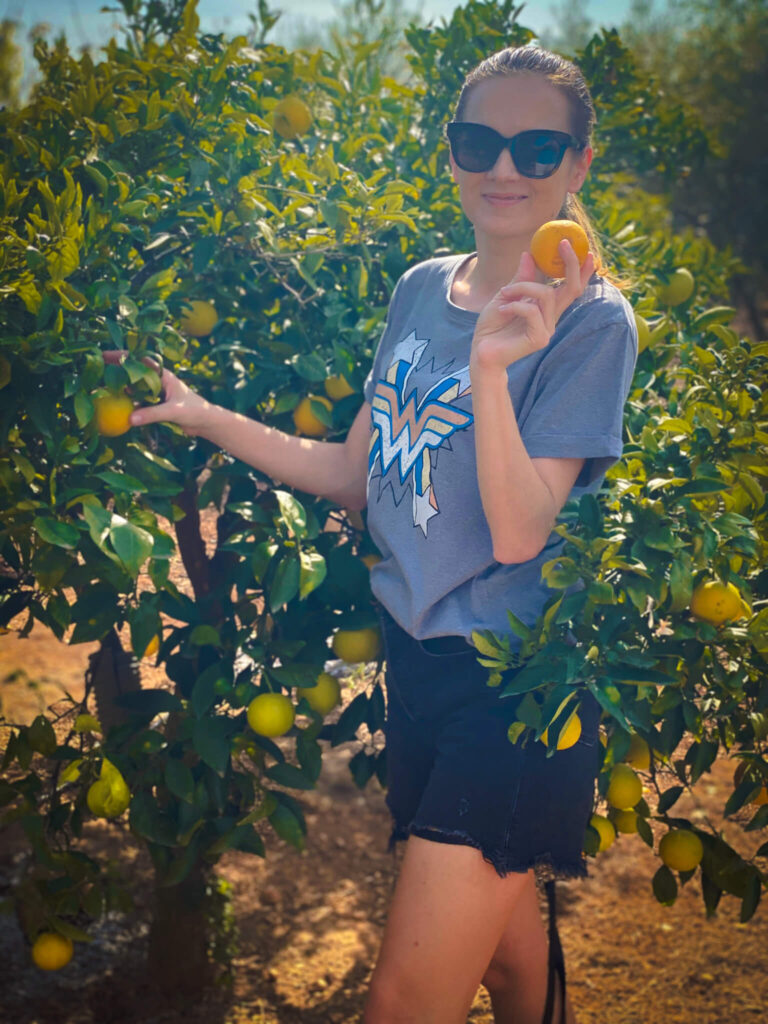
Valencia is well-known in Europe for its delicious oranges, which are considered one of the most iconic fruits in Spain. Over the past few decades, the orange season has been extended from October to June due to the variety of orange types grown. However, at my in-laws’ countryside house, the season is typically much shorter, lasting from November to February.
Unfortunately, Spain also imports a lot of oranges from Morocco due to lower prices, so sometimes when you order orange juice at cafés and bars in Valencia, you can’t be 100% sure it’s from Valencia. Nevertheless, a popular activity in Valencia is visiting an orange farm, where you can definitely try the authentic ones.
38. Visit CAHH
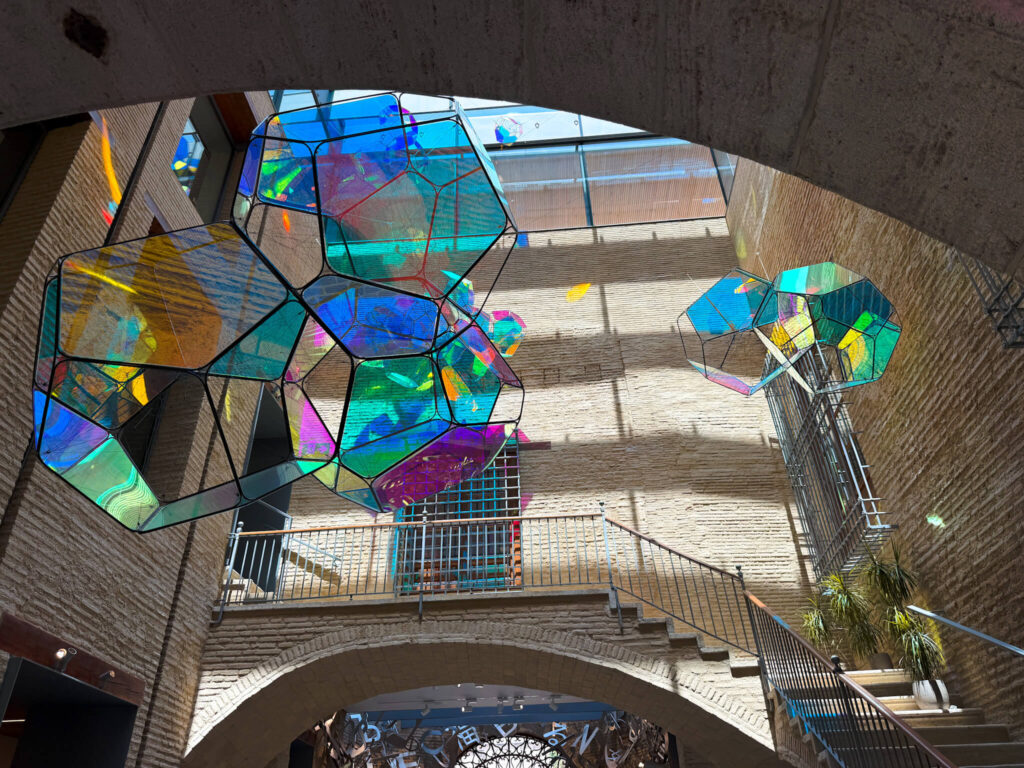
If you enjoy immersive experiences with a touch of contemporary art, make sure to visit Centro de Arte Hortensia Herrero (CAHH) – one of the coolest new museums in Valencia! Right now through the end of October, they’re hosting a stunning exhibition by German artist Anselm Kiefer that I absolutely loved. Check out my IG reel to see more!
Beginner’s Valencia Bucket List
Now that you have a general overview of all the unique things to do in Valencia, here’s a quick summary of activities that belong on any Valencia bucket list.
- Top Valencia activities with my 5% discount code ‘ATC5‘ / excludes combos and bundles (check availability)
- Oceanografic, Hemisferic & Science Museum (check availability)
- Old Town Tour, Wine & Tapas (check availability)
- Paella Cooking Class with Central Market Tour (check availability)
- Cathedral, St Nicholas, and Lonja de la Seda Tour (check availability)
- Oceanogràfic Entry Ticket (check availability)
- Flamenco Show at Ca Revolta Theater (check availability)
- Orange Farm and Orchard Trip with Tastings (check availability)
- From Valencia: Caves of Sant Josep (check availability)
- From Valencia: Albufera Natural Park with Sunset Boat Tour (check availability)
- From Valencia: Chulilla Hanging bridges hike (check availability)
My Valencia Travel Q&A
If you’re planning a trip to Valencia and have questions, start with the video below. I answer some of the questions I get asked most often about visiting the city and the surrounding region, drawing on my experience of living here for more than 15 years.
Pin it:
For more Spain travel tips check out my Pinterest board Spain Travel Collection and Flipboard Travel to Spain.

- Accommodation: For short stays, I usually book via Agoda and Booking
- Tours&excursions: My favorites for guided tours are GetYourGuide, Viator, and Eatwith
- Museums&attractions: Get mobile tickets for attractions via Tiqets (use ATC5 code for a 5% discount via this link)
- Semi-private & private tours: LivTours is my favorite place for unique & crafted experiences in Europe
- Top E-Sim: To avoid roaming fees, I like Holafly (use ATLIFESTYLECROSSROADS for for a 5% discount)
- Flights: Find the best deals with Skyscanner and Kiwi
- Train&bus tickets: Currently, I book via Omio
- Car rental: To find the best deals, I use Discover Cars
- Shop My Level8 Suitcase: get 15% off with the code ATC15 here
- Travel Wellness: Track your sleep, recovery and jet lag with the Ultrahuman Ring (10% off with code UHLIFESTYLEC10)
- Transfers: For individual transfer services, I like Welcome Pickups and Kiwitaxi
- Suitcases&Luggage: Discover where to store your luggage on the go with Radical Storage
- Travel Insurance: Find the best trip insurance plans via VisitorsCoverage
- Compensation for delayed/canceled flights: Check out AirHelp
- Renting Bikes: To find motorcycles, scooters, quads, and bicycles, I use BikesBooking
- Website Owners: For hosting services, I work with and recommend Lyrical Host (get 10% off with my code ATC10)
- Internet Security on the road: Connect safely to public Wi-Fi and bypass censorship with NordVPN


Wow! So many places on this list have me looking at flights to Spain right now lol. Those hot springs look awesome and I had no idea La Tomatina Festival even existed. That is wild!
I can’t believe we still haven’t made it to Valencia, when we’ve visited many other areas of Spain. When would you recommend going to get the best mix of fewer crowds, but still nice weather for hiking, hot springs, and beaches?
September and October are usually nice, but aside from the beaches, you can visit all year round, as Valencia is a great winter sun destination. Occasionally, temperatures reach over 20°C even in winter (though not always), but it rarely rains, with March and April being the rainiest months.
With so much to do in Valencia, knowing where to start is hard. While I have been to many Spanish destinations, this one has eluded me, but I think I may need to put it on my travel list!
Thank you for this detailed guide on the best things to do in Valencia! It’s a fantastic resource for anyone planning a trip. I love the combination of both the must-see landmarks and hidden gems, making it so helpful for first-time visitors and seasoned travelers alike. Your personal insights as a local add a special touch, making this list even more valuable. I can’t wait to explore the City of Arts and Sciences and try authentic paella. Thanks again for sharing!
This makes me want to go back as I missed quite a few of these things! Manises look simply amazing, so pretty… thank you for sharing, great article and so many useful insights!
I visited Valencia and absolutely loved the architecture—but I only had two days, so this list shows me how much I still have to explore! The City of Arts and Sciences was stunning, and I’d love to return to visit the Bioparc and try an authentic almuerzo next time. Your guide is full of inspiring ideas—I’ve saved it to help plan my next trip. Thanks for putting together such a rich resource!
I’ve been to Spain a few times but never to Valencia- now I have to go! I never realized there are so many things to do there. I love a central market and of course you have to see flamenco (love it) but I had no idea there were caves and Port Saplaya sounds fun. I guess I’ll have to start looking at plane tickets now…
Wow, I love the variety of activities included here! SO much to do in Valencia, I wouldn’t even know where to begin! So much great information here!
I love Valencia, what a great city! Thanks for the comprehensive guide 🙂
It took us awhile to visit Valencia and when we finally got there we were entranced. We did so much on a one day visit but know we need to go back and enjoy much more. Your guide gives us even more reasons to return. And maybe even plan it for a festival!