
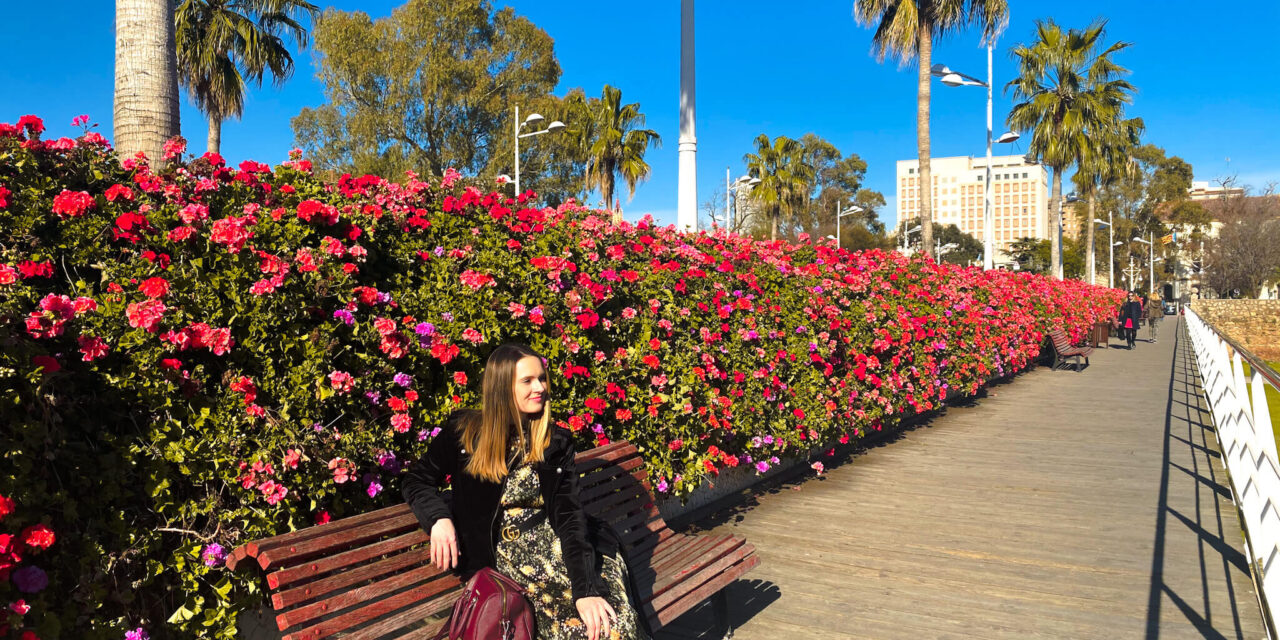
Whether you’re planning to visit Barcelona or Valencia, I’m sure you’ll find plenty of interesting things to do in both, while enjoying the unique Mediterranean vibes of these cities. However, if you can only pick one, here’s my honest opinion on which city might suit you better -based on 15 years of living and traveling across Spain and my numerous visits to both.
- This post contains affiliate links. If you make a purchase through these links, I may earn a small commission – at no additional cost to you. For more details, please read my full disclosure.
Barcelona or Valencia: My Honest (and Slightly Controversial) Opinion
Living and traveling in Spain for 15 years
Barcelona and Valencia are often compared by travelers. Both are located on Spain’s Mediterranean coast, share a similar climate and cuisine, and are popular port cities for Mediterranean cruises. Even their local languages – Catalan in Barcelona and Valencian in Valencia – are quite similar (in fact, in Catalonia, a Valencian language certificate is accepted for governmental jobs that require Catalan).
Some people like to call Valencia “Barcelona’s little sister,” claiming they have a similar appeal, with Valencia being smaller and cleaner. Honestly, I don’t fully agree with this comparison – to me, Barcelona and Valencia feel very different. And I also wouldn’t call Valencia a “hidden gem” in Spain, as some travel magazines and bloggers still do. It might have felt that way when I first visited over 15 years ago, but Valencia is Spain’s third-largest city, so it’s definitely no secret anymore.
Here’s my honest take on both cities. Over the past 15 years, I’ve visited Barcelona more than a hundred times, and Valencia is practically my second home – it’s only a 50-minute drive from Castellón, where I’m based. My blog has become a big resource for Valencia and hidden gems across the entire Valencian Community, especially because during the pandemic and lockdowns, when provinces in Spain were closed, I spent a whole year exploring every corner of the Valencia region.
Nevertheless, in this post I’ve tried to be as objective as possible, sharing my impressions of Barcelona and Valencia based on the main criteria travelers usually consider when planning a holiday in Spain, as well as my first impressions of both cities from nearly 15 years ago and how they’ve evolved after living in Spain long-term.


Barcelona or Valencia: Which City Is Better to Visit
Landmarks
Most travelers visit Spain for its rich history and iconic landmarks. I will admit that while I’ve shared a detailed Valencia bucket list and a list of Valencia day trips that could take years to explore, when I first visited Valencia and Barcelona, it was Barcelona that left the stronger impression on me. Valencia’s City of Arts and Sciences, along with its old town architecture, is charming – but I do admit that Barcelona’s landmarks are more globally significant.
With its Gaudí architecture – including the Sagrada Família, Casa Milà, and Casa Batlló – and the charming Barrio Gótico, Barcelona is undeniably striking. Although the world-famous architect Antoni Gaudí was actually from Reus, most of his biggest masterpieces are in Barcelona, and exploring them is considered part of any Spain bucket list, especially for first-time visitors.
However, there’s another side no one really talks about: can you actually enjoy these landmarks nowadays? In my opinion, it has become very difficult. Barcelona is so overcrowded that even getting skip-the-line tickets to the Sagrada Família, Casa Batlló, or Casa Milà involves dealing with huge crowd. Without these special tickets, visiting them spontaneously is almost impossible – even in the off-season.
So if I were visiting Spain for the first time, I would definitely book the entrances to these famous landmarks in Barcelona just to see them once and cross them off the list. But after visiting Barcelona hundreds of times, I’ve never returned to any of these popular landmarks. In fact, I even avoid the areas where they are located because the crowds, tourist traps, and pickpockets are simply exhausting.
And this brings me to the second major difference between Barcelona and Valencia: safety.
Best for Landmarks: Barcelona for first-timers, Valencia if you want to actually enjoy the landmarks or are revisiting.


Safety
Safety is one of the biggest differences between Barcelona and Valencia – mainly because of pickpockets. You might argue that all major European cities have this issue, and yes, they do – but Barcelona these days is on another level, even compared to Madrid, Spain’s capital. From all of my friends who have visited Barcelona, about half of them have been robbed. That’s an incredibly high number, especially considering that most of these people are experienced travelers who take precautions and have never been robbed anywhere else in Europe.
This problem actually goes beyond just Barcelona. As I mentioned in my Costa Brava post, some of my friends were recently robbed straight on the highway. When I went with them to report it to the police, the local officer explained the scheme to me – and honestly, I was afraid to ask how many times he’d heard the same story. I’m sure he’s lost count by now.
Another thing to mention – though it may seem unrelated to travelers – is the Catalan independence movement. While international visitors obviously don’t vote in Spanish politics, this issue has occasionally disrupted travel. For example, in 2019, protesters blocked El Prat Airport in Barcelona, and hundreds of thousands of people missed their flights.
Unfortunately, that turbulent moment also overlapped with my parents visiting me in Spain to enjoy a family trip to Cambrils. Their flight was to and from Barcelona, and they were only lucky because they went to the airport early in the morning while the protesters were still asleep. By around 9 a.m., the roads were completely blocked. They also stayed in Barcelona while locals were burning trash cans and banging cacerolas, simply because they had already booked their accommodation months earlier and had to catch a flight back from the city – needless to say, it was not a pleasant experience and they didn’t feel safe at all.
So, while you should be careful with your belongings in any Spanish or European city, there’s honestly no comparison between Barcelona and Valencia in terms of safety. Barcelona is one of the least safe places in Europe, and although I’ve visited it solo many times, I always do so with all the stories of my friends and relatives in mind.
Best in Safety: Valencia


Food
Valencia is known as the birthplace of paella, while Catalan cuisine has its own traditional staples like escudella, botifarra, calçots, and crema catalana. As someone who travels across Spain non-stop, I find that the typical foods of the Mediterranean regions are actually quite similar.
Yes, there are plenty of local twists – for example, Gandía is famous for fideuà, Alicante for arroz al forn, and in Barcelona I once took a fantastic food tour and discovered the bomba de Barcelona. But overall, I feel that both Valencian and Catalan delicacies are rooted in the same ingredients, shaped by a similar climate, and influenced by similar local tastes.
The main difference, in my opinion, is that Barcelona has more international influences than Valencia, with countless restaurants and trendy brunch spots for every palate. Valencia, however, has been catching up in recent years – you can now find everything from Thai to Turkish food – but still on a smaller scale than in Barcelona.
Another big difference is price: eating out in Valencia is noticeably more budget-friendly than in Barcelona. Yet, my point is: I don’t see a huge difference between the two cities when it comes to local Mediterranean cuisine – not like with places such as San Sebastián or Gran Canaria, where the Atlantic climate has shaped a very distinct culinary identity. Both Barcelona and Valencia are fantastic destinations if you’re planning a foodie itinerary in Spain.
Catalan people also love Valencian paella and fideuà, and there are great chefs and cooking classes in both cities. Just one tip: don’t take a paella-cooking class in Barcelona or Madrid and then brag about it in Valencia – locals in Valencia wont be impressed. My Valencian mother-in-law cooks paella every Sunday using her family recipe, and I’ve taken cooking classes in Valencia myself to learn how different chefs do it. Valencians are very protective of their traditional paella, and they don’t appreciate people adding creative twists and still calling it paella (just look at what happened to Jamie Oliver and his chorizo paella lol).
Best in Food: Both


Weather & Beaches
Officially, Barcelona is slightly further north than Valencia, which means it is supposed to feel cooler. In reality, both cities are located on the Mediterranean coast and have very similar climates. Summers can be quite hot in both cities – often around 30–35°C in July and August – which, at least for my taste, is a bit intense. Both cities are also popular winter-sun destinations in Spain, as even in the colder months, daytime temperatures occasionally reach 18–20°C.
As someone who travels extensively across Spain, I notice a striking climate difference between northern, southern, central Spain, and the Canary Islands. Compared to these regions, Barcelona and Valencia feel remarkably similar in terms of weather: “patata = potato”. There are minor differences, but for practical purposes, the climates are much of the same thing.
Barcelona’s beach is located very close to the city center, and many people consider this a huge advantage. But honestly, I’m not sure how desperate for a beach day you’d have to be to enjoy lying like sardines on Barceloneta Beach (or on other crowded beaches in Spain, like those in Benidorm).
Valencia’s Malvarrosa Beach isn’t as close to the city center, but it’s much more spacious. That said, if you want my honest opinion on Spanish beaches – I wouldn’t personally choose either of these city beaches in Barcelona or Valencia.
Spain has so many absolutely iconic beaches that are far more beautiful and relaxing. If I were in Valencia and wanted a proper beach day, I’d head to Canet d’en Berenguer or Benicàssim. And from Barcelona, I’d honestly just fly (or take a ferry in summer) somewhere else entirely for a beach holiday – like Ibiza or Formentera.
Here’s why:
- North of Barcelona, the Costa Brava (called the “wild coast” for a reason) is all dramatic cliffs and rougher waters – beautiful, but not your classic white sand and calm sea.
- South of Barcelona, many smaller towns like Sitges or Salou can be just as crowded as Barcelona itself during peak season.
So, while I personally don’t love the main urban beaches in either Barcelona or Valencia, I’ll say this: if you’re renting a car, Valencia has plenty of stunning beaches you can visit on an easy day trip.
Best for Beaches: Barcelona’s city beach is closer to the center, but there are more beautiful beaches within an hour’s reach from Valencia.


Hotels
Both Barcelona and Valencia are expanding their hotel offerings. If you visit either city in summer, prices often double, as this is peak season across the Mediterranean. Last July, I visited Barcelona for work, and the hotel prices genuinely shocked me.
In Valencia, hotel prices have risen significantly in recent years, but they are still much more budget-friendly compared to Barcelona.
By and large, both cities offer great hotels. In Barcelona, you’ll find a huge variety of beautifully designed hotels, while Valencia tends to have more affordable options for budget-conscious travelers.
Accessibility & Road Trips
Barcelona’s El Prat Airport is one of the best internationally connected airports in Spain and Europe, offering more flight options and deals than Valencia. For flight deals, I recommend checking Booking.com, as they launched a flight search feature this year. I’ve already booked the same tickets through them twice for cheaper than the official airline websites.
Both Barcelona and Valencia have high-speed train connections to Madrid, making travel between the cities convenient.
However, if you’re planning a longer Spain itinerary – spending a few days in Barcelona or Valencia followed by a road trip – Barcelona clearly wins. From Barcelona, you have plenty of options for unique road trips across Spain, including my favorite: the Pyrenees mountains (you can check out my full list of Barcelona road trips in this post.)
From Valencia, your main road trip options are more limited:
- Exploring the Valencian region (read more here)
- Driving to Alicante (read more here)
- A road trip to Madrid (read more here)
- Or a road trip from Valencia to Barcelona (read more here)
Best in Accessibility & Road Trips: Barcelona


Day trips
While many travelers rave about Barcelona’s interesting day trips, personally I find day trips from Barcelona and Valencia quite similar. For comparison, Madrid clearly wins for me over both in terms of day trips, with options like Toledo, Segovia, Cuenca, Salamanca, Aranjuez, and many more.
From both Barcelona and Valencia, most day trips tend to focus on coastal Mediterranean towns. Popular options from Barcelona include Sitges, Cadaqués, and Montserrat, while from Valencia you might visit Peñíscola, Xàtiva, and Morella.
Perhaps the biggest difference is anything related to Salvador Dalí’s art triangle, though this is usually recommended as a separate Barcelona weekend trip, because seeing everything in one day is too rushed. Valencia’s most famous painter is Joaquín Sorolla, who later on also lived in Madrid, where you can visit his house museum. Many of his artworks are displayed around the world, and recently Valencia celebrated 100 years since his death by bringing some of his pieces from Madrid and abroad – a short-term exhibition that was impressive to visit.
Overall, the artsy Salvador Dalí landmarks were the only permanent attractions near Barcelona that I felt Valencia couldn’t match. If you enjoy street art, both Valencia and Barcelona have some, but not too much. Nearby, you can also visit Spain’s famous graffiti villages: Penelles is about a 1 hour 40-minute drive from Barcelona, and Fanzara – around 1 hour 10 minutes from Valencia.
Best in day trips: Both


Locals & Culture
In my experience, locals are generally much friendlier in Valencia than in Barcelona, and there are objective reasons for this. Barcelona receives far more visitors than Valencia, and locals can often feel overwhelmed. Every year, destinations like Barcelona and Mallorca make the news with tourists-go-home protests because residents are frustrated with rising rents and property prices. Many locals in Barcelona can no longer afford to buy or rent homes due to expats with higher salaries or international buyers purchasing second homes.
So while Barcelona has a huge international community, in my opinion, – forget the expat visas – you really need to be in love with the city to consider moving there despite the elevated costs, safety concerns, and the attitude of the locals. On the other hand, having lived in the Valencia region for 15 years, I can say that locals here are generally more friendly, curious, and open to meeting international people.
That said, Barcelona, as one of Europe’s major capitals and a hub that has inspired countless artists, has a more creative atmosphere, with innovative businesses and vibrant creative circles. In Valencia, while the mentality has become more open and international in recent years, many locals still have a traditional mindset, enjoying local customs like almuerzo culture.
Culturally, Valencia is more appealing to those who want to experience traditional Spanish culture, while Barcelona is ideal for visitors who are attracted to the city’s unique urban culture and creativity.
It’s no secret that many people in Barcelona and Catalonia support Catalan independence and view their culture as distinct from Spain. Even historical Spanish traditions, like bullfighting (which is banned in Catalonia), are not embraced here. Most locals will greet you in Catalan, so don’t expect compliments for speaking Spanish.
Interestingly, as someone fluent in both Spanish and English, I’ve noticed that many locals in Barcelona are often friendlier when you speak English than Spanish. When I visit Catalonia, locals usually speak Catalan to me. Sometimes I don’t correct them, as I understand Valencian and about 90% of Catalan. But it’s always amusing when I reply in Spanish and they respond back in Catalan, not testing whether I truly understand or switching to Spanish.
Best in Locals & Culture: For Spanish language and customs, go to Valencia; for Catalan culture, go to Barcelona.


With kids & Festivals
Both Barcelona and Valencia have great child-focused museums and parks. You can read about my experiences with kids in Barcelona here and in Valencia here.
At first glance, it seems like most kids should be more impressed by Barcelona, with all the colorful and eye-catching Gaudí landmarks. There are also plenty of things to do in and around the city, making it hard for families to get bored. However, many of Barcelona’s top landmarks involve crowds and long waits, which means not all kids will be equally impressed.
My own children are biased since they know Valencia far better than Barcelona. Every time we plan a family trip to Barcelona, they are excited. However, one of my friends recently visited both cities with her kids. She was eager to show them Barcelona, but the children were mostly unimpressed – the only complaints they had were about waiting in lines and navigating crowded areas. At the same time, they loved the Jardín del Papagayo bird garden on a day trip from Valencia and really enjoyed the Gulliver Park in Valencia’s Turia riverbed.
When it comes to Spanish festivities and family-friendly events, Valencia has some highlights:
- Las Fallas in March – a must-see if visiting with kids, though note that some streets are blocked and museums may be closed, so it’s less ideal for first-time city sightseeing. You can read more here.
- Rototom Festival in August – a fun music and cultural festival in Benicassim (you can see our visit on IG and Tiktok).
- La Tomatina – also in August, near Valencia. You can read my full guide here, but I wouldn’t recommend it for young children.


Valencia vs Barcelona: My Honest (and Slightly Controversial) Opinion
You might have already guessed from my post that I personally like Valencia far more than Barcelona – and this preference existed even before I moved to Spain. Barcelona initially impressed me more as a first-time visitor, mainly because of its landmarks. But on my second visit to both Valencia and Barcelona, Valencia began to grow on me and eventually became one of my favorite places in Spain.
At the same time, I admit this is a controversial opinion, as I know many people who clearly prefer Barcelona to Valencia.
Overall, I feel like Barcelona is a must-see for first-timers – it’s incredibly unique – while Valencia is more compact, relaxed, and enjoyable. Yet, Valencia clearly wins when it comes to safety, authentic Spanish vibes, and friendly locals. Nevertheless, those who love Barcelona usually care less about these objective factors. Fans of Barcelona often fall in love at first sight with its architecture and energy, which might be your experience too. Depending on what you value most in your travel experiences, you’ll likely form your own preference between Valencia and Barcelona.
For me, I started preferring Valencia right after my first visits, long before I met my Valencian husband and fully absorbed the local culture during my 15 years as an expat in the region. Nowadays, Valencia feels a lot like home. I’ve explored nearly every secret museum and landmark, so there’s not as much mystery left in the city as there was during my first visits – but it remains a place I truly love.
For more details, you can find all of my trips and itineraries for both destinations under #Valencia and #Catalonia sections.
Pin it:

For more Spain travel tips check out my Pinterest board Spain Travel Collection and Flipboard Travel to Spain.

- Accommodation: For short stays, I usually book via Agoda and Booking
- Tours&excursions: My favorites for guided tours are GetYourGuide and Viator
- Museums&attractions: Get mobile tickets for attractions via Tiqets (use ATC5 code for a 5% discount via this link)
- Semi-private & private tours: LivTours is my favorite place for unique & crafted experiences in Europe
- For Foodies: Eatwith is a unique platform for finding culinary experiences with locals around the world
- Audio guides: Book audio excursions & tours in 35+ countries via WeGoTrip
- Flights: Find the best deals with Skyscanner and Kiwi
- Driving in a new country? – Check out Tripiamo guides (do not miss Tripiamo Driving in Spain Guide)
- Train&bus tickets: Currently, I book via Omio (10% off with code ATC10 for first-time customers)
- Car rental: To find the best deals, I use Discover Cars
- Top E-Sim: To avoid roaming fees, I like Holafly (use ATLIFESTYLECROSSROADS for for a 5% discount)
- Shop My Level8 Suitcase: get 15% off with the code ATC15 here
- Internet Security on the road: Connect safely to public Wi-Fi and bypass censorship with NordVPN
- Transfers: For individual transfer services, I like GetTransfer and Kiwitaxi
- Suitcases&Luggage: Discover where to store your luggage on the go with Radical Storage
- Travel Insurance: Find the best trip insurance plans via VisitorsCoverage and EKTA
- Compensation for delayed/canceled flights: Check out AirHelp and Compensair
- Renting Bikes: To find motorcycles, scooters, quads, and bicycles, I use BikesBooking
- Package Tours: Head to CheapOair and Expedia
- For Bloggers: To monetize my blog, I work with Travelpayouts and Stay22
- Website Owners: For hosting services, I work with and recommend Lyrical Host (get 10% off with my code ATC10)


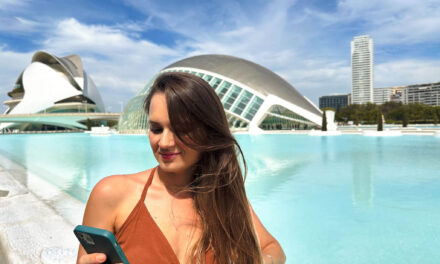


Great comparison. I think I agree with you I like Valencia, but it’s close for me. I love the old architecture and great pictures to give us a comparison of both places.
I loved the comparison between the paella cooking classes in Valencia vs Madrid haha. Very comprehensive guide–I’ll definitely keep this in mind when I finally get to visit Spain!
I love the part about the paella and the pride Valencians have in how they make it! Such a great insider insight!
I’ve visited Barcelona, but definitely want to visit Valencia as well to compare further. I do think the slightly smaller size city will be a good fit for me, though I did enjoy my time in Barcelona.