

Here’s my ultimate 3-day Menorca itinerary after visiting the island for the second time, including the best beaches, hikes, and the most unique historical landmarks on the island.
- This post contains affiliate links from which I earn a commission (at no extra cost to you). For more info, please read my disclosure. As an Amazon Associate, I earn from qualifying purchases.
3 Days in Menorca: An Ultimate Guide to the Island
My Second Visit to Menorca: How Long to Stay
This 3-day itinerary was my second time visiting Menorca. However, since my first visit took place years ago during one of my Mediterranean cruise trips, I’ve wanted to return, rent a car, and fully explore the island. For me, 3 days was a perfect amount of time. However, I wasn’t visiting for a lazy beach holiday. Plus, since I recently visited a few beautiful lighthouses on Formentera island and in the rest of Spain, I didn’t plan any similar activities in Menorca. So, it’s fair to say I didn’t get to explore absolutely everything on the island in 3 days, but at the same time, I saw everything on my Menorca travel bucket list.
So, I’d say: 3 days in Menorca is a great getaway plan to get a glimpse of the island since it’s small. On the other hand, if you want to spend more time at the beach and visit the island’s lighthouses and villages, you can easily stretch this itinerary to 5-7 days.


Where to Stay in Menorca: Best Areas + My Impressions
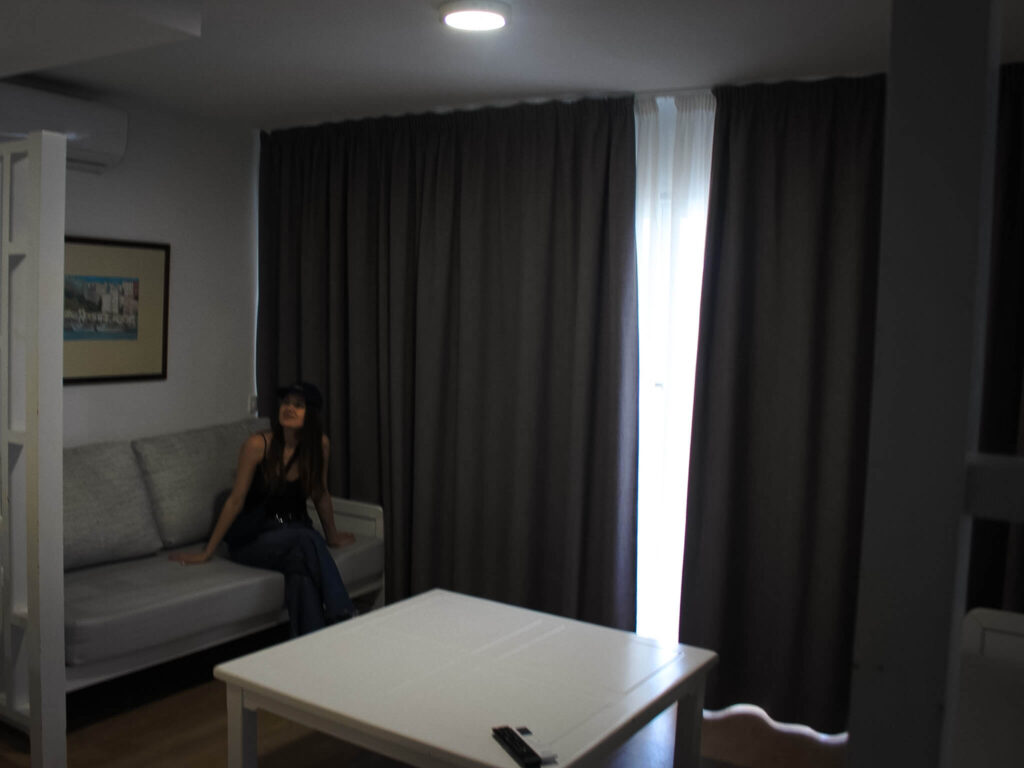
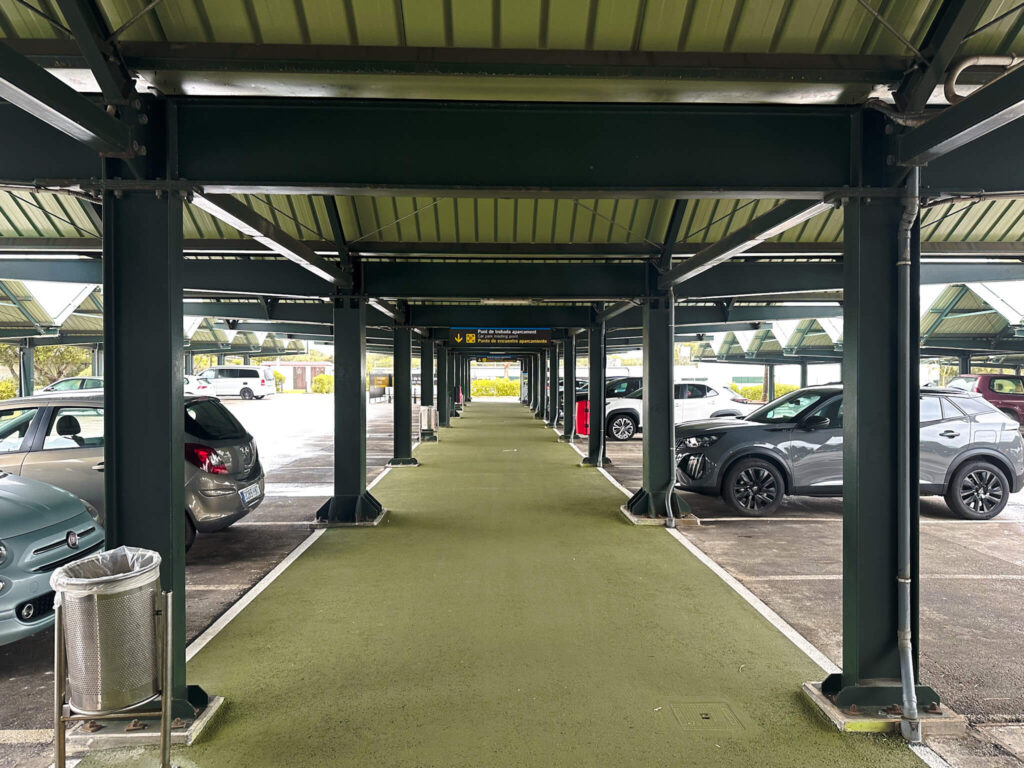
During my 3 days in Menorca, I stayed at Naranjos Resort Menorca, which became the base for exploring the island. Despite the name, it’s a white-washed, house-style apartment complex, with flats that have kitchens but also offer a breakfast option in the main building – great for people who don’t want to cook at all. Personally, I really liked this area in the south of the island. I wasn’t aiming for a beach holiday, and right near the apartment, there was a decent parking lot.
The resort also has an easy access to Menorca’s famous Camí de Cavalls, which, in the past, was used to patrol the island. These days, it’s a hiking trail loop of 185 km that spans the entire island. The part near Naranjos Resort Menorca is relatively flat compared to other parts of the island, which makes it great for evening walks. I also saw people jogging or riding mountain bikes there (though keep in mind that the path is rocky).
However, this area isn’t known for its crystal-clear blue waters, so if you dream of visiting Menorca’s best beaches, stay in the north of the island around Ciutadella, where all the best calas (coves) are located. You can find the best hotel deals across the island via the map below.

3-Day Menorca Itinerary: Exploring the Island’s Best Beaches, Hikes, and Historic Landmarks
Day 1: Arrival, Talayotic Ruins & Coastal Walk
Arrival + Renting a car in Menorca
After landing at Menorca Airport, my first priority was picking up the rental car. What you need to know here is that renting directly at the airport is twice as expensive since only a few international companies have small offices there. Most other local providers operate via shuttle services, where they take you to their car rental office outside the airport, where you’ll pick up and return the car.
I was checking out the best deals via DiscoverCars, as they have the largest comparison of local and international providers, and I was really surprised by the huge differences in prices and conditions in Menorca. Some providers ask for a high deposit, while others do not. I ended up picking a local company, Valls, but all the insurance was with DiscoverCars (I always book through them since it gives me an extra layer of service; as you know, local companies try to sell you their extras, like it happened to me in Ireland, and their own insurance. DiscoverCars always sends me the details on what I have covered and specifies which extras I do not need. Plus, I can call them if a problem arises).
Overall, I had a great car rental experience in Menorca. The path to the car rental shuttle pick-up was well marked, and while it wasn’t waiting for us, I called them, and we were immediately picked up. The office was also close – less than 10 minutes from the airport – just not directly at the airport.
Unfortunately, unlike Spanish islands like Gran Canaria, Menorca can’t be fully explored by bus. There’s a frequent bus service between the major cities, like Ciutadella and Mahón, but for an efficient 3-day itinerary across the island, you’ll need a car. Aside from a few narrow roads towards the coves in the north, driving in Menorca was straightforward and easy.
Groceries & Food souvenirs in Menorca
Before heading to the apartment, I stopped at Binipreu supermarket for groceries (as it was right near the car rental). This is a small shopping center, perfect for local food souvenirs (see this post for the best foods to buy in Spain) and even books (see this post to discover the top Spanish writers). They also have a small café where you can try local pastries, like the famous ensaimadas. However, keep in mind that most people buy ensaimadas at the airport, as even Ryanair allows you to bring 3 per person in addition to your hand luggage – but only if you purchase them there.
Also, in case you rent with the same company I did and drop off your car a while before your flight, and have a lot of time, the bus stop (circulating between the airport and Mahón city center) is nearby this Binipreu shopping center. You can take the bus to the city center, and right near the bus station in Mahón, there’s a place to store luggage called Consignas Menorca, open 24 hours a day.

Ancient Ruins of Menorca: Torre d’en Galmés
After checking into the apartment, I drove to Torre d’en Galmés, one of the largest and most important Talayotic settlements in the Balearic Islands. I actually recommend keeping an eye out for the free leaflet on Talayotic ruins in Menorca Airport (I accidentally picked one up with all of them marked), and to my surprise, the island was full of ruins – great for history lovers and fans of historical mysteries in Spain. This part of Menorca was completely unexpected for me.
Also, access to all of these sites was free (probably because I visited outside of the summer peak season, but it was still a nice bonus). Dating back to around 1400 BC, Torre d’en Galmés was continuously inhabited through prehistoric times and later periods. Walking through the site today, you can still see stone dwellings, water collection systems, and defensive structures built into the hilltop landscape. The elevated position also explains its importance – it controlled large parts of southern Menorca.

Camí de Cavalls
After exploring the nearby ruins, I enjoyed a nice walk or easy hike from the apartment, exploring a section of the Camí de Cavalls, the historic coastal path that completely circles the island of Menorca, and you can literally jump in almost anywhere.
Originally established in the 14th century to patrol the island and later formalized during British occupation in the 18th century, it was used for military patrols and coastal defense. But these days, it’s the best place to go hiking in Menorca, as it combines the beautiful Spanish cliffs with occasional greenery and paradise-like crystal-clear water coves across the island.
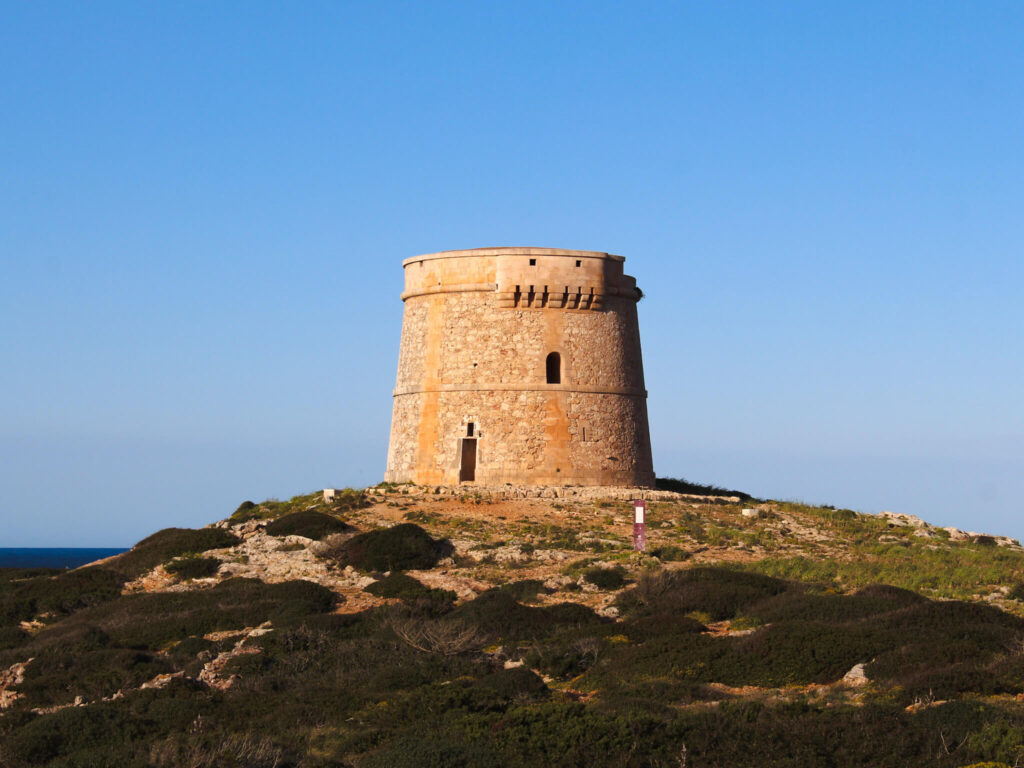
I walked part of the route between S’Algar, Cala Alcaufar, and Punta Prima, and on the way, I saw one of the ancient defensive towers and a small secluded island, Isla de Aire. This part of Camí de Cavalls was my favorite walk in Menorca, as it was nice and flat with fewer people compared to the north of the island.


Day 2: Ciutadella, Secret Church & Iconic Calas of Menorca
Top Things to do in Ciutadella
I started the day by driving to Ciutadella, which was once the capital of Menorca until the British shifted administrative power to Mahón in the 18th century. It’s still considered one of the most beautiful small towns in Spain, and it definitely deserves that status. Despite losing its political role, Ciutadella remains the island’s cultural and architectural hub and is more refined than Mahón, with lots of fancy shops and trendy restaurants.
The easiest place to park in Ciutadella is a free parking lot outside the old town, Aparcamiento Carrer de Girona. Right near the parking, there’s a café and traditional pastry shop called Horno Can Bep, where I had a coffee and tried Menorca’s popular pastry – Mitges Llunas in Menorquín or Medias Lunas in Spanish.


From this café, I walked to explore the city center, visiting Menorca’s main cathedral and unexpectedly discovering a stunning church – Claustro & Iglesia dels Socors (simply because all these places are included within the same cathedral ticket). Iglesia dels Socors was my favorite, though. It was unfortunately destroyed during the Spanish Civil War, but the atmosphere is still unique.

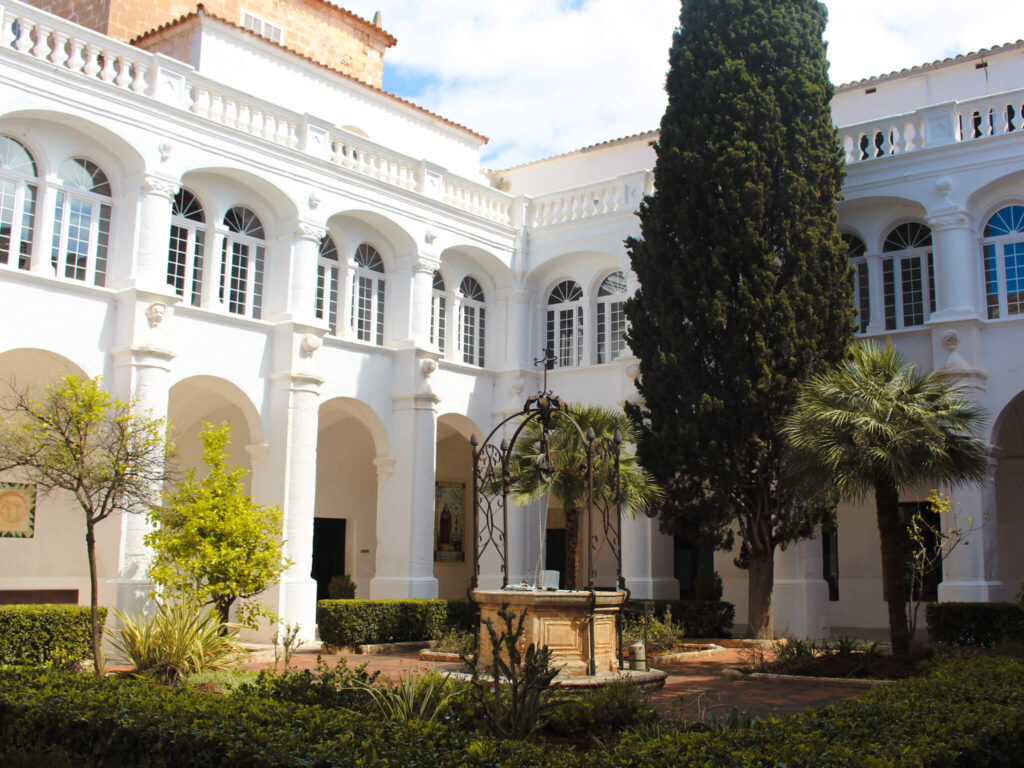

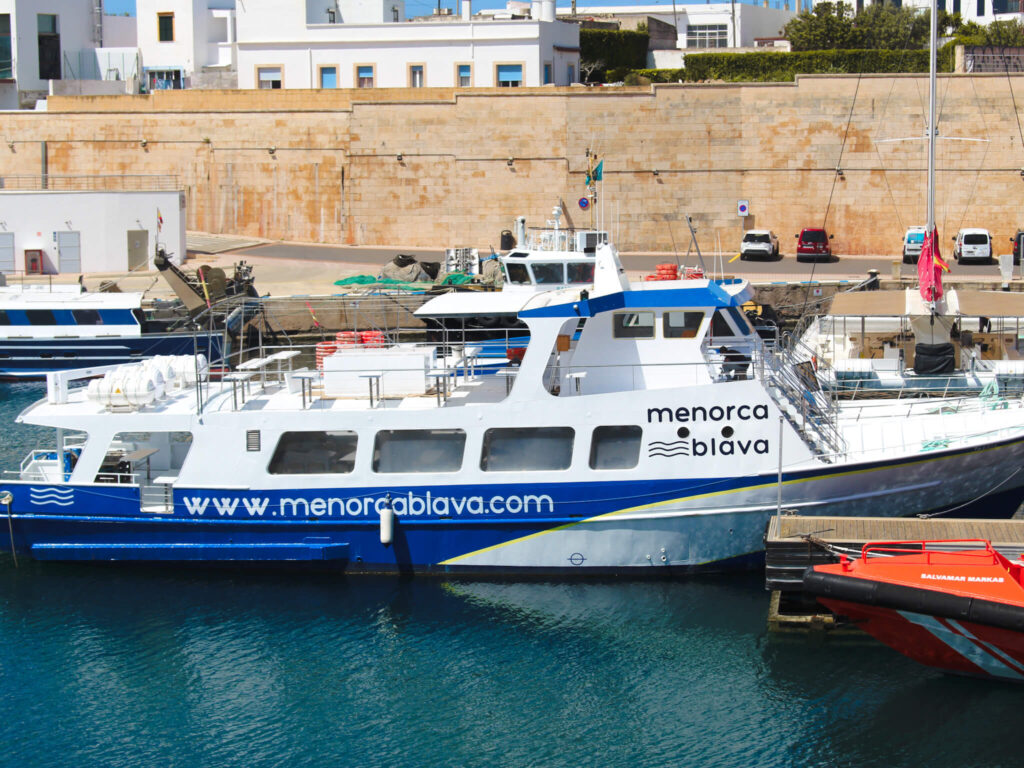
I had lunch at a local restaurant, Entre Suros, which had amazing price-quality dishes, combining Menorca’s traditional ingredients with a creative twist. I loved their Ensaladilla Rusa with lime, one of the most traditional Spanish tapas, but here with a unique lime flavor. Seafood lovers should not miss out on zamburiñas. Also, while roaming the old town, I enjoyed trying local ice cream at Ben Gelat and took a walk toward the port area to see the 17th-century defense tower Castell de Sant Nicolau.



On a longer Menorca itinerary, you can also visit the local museum Can Saura. I also wish I could have explored local places like Palacio Torresaura, but unfortunately, it is only open during the peak summer season in Menorca.
Necropolis de Cala Morell
Right near Ciutadella, I made a quick stop to visit ancient caves Necropolis de Cala Morell – a curious set of prehistoric caves. The entrance was free, and it was an interesting stop. From there, you can walk 10 minutes towards the coast along the road, and then there’s a tiny trail to admire the reddish cliffs. I was surprised to see the waves, which were in stark contrast to the frequent and quiet coves nearby (the video below is from there).


Iconic Calas & Beaches of Menorca
In the afternoon, I visited two of the most picture-perfect beaches in Menorca – Cala en Turqueta and Cala Macarella. These are the ones you’ll often see on most Menorca postcards, but to make it more adventurous, I decided to hike between the two. Since both are connected by the Camí de Cavalls loop I mentioned earlier, I parked at Cala en Turqueta and walked to Cala Macarella. This hike was much steeper than the one I did on the first day of my Menorca itinerary, and it was also quite busy with international visitors, but the coves were so picture-perfect, it was truly a rewarding experience.
Cala en Turqueta gets its name from its intense turquoise waters, caused by fine white sand and a limestone seabed – it deserves its fame. Even on a spring weekday afternoon, the parking lot was almost full. During the summer season, finding a spot is nearly impossible, and people arrive as early as 7 a.m. to park. The road to this cove is in good condition but quite narrow, so I’m glad I didn’t visit in the summer. I feel like if I ever get to visit Menorca in summer for the beaches, I would rather take a boat tour to avoid the driving and parking hassle at these secluded spots.
Cala Macarella (you can get a glimpse of it in the video below), once accessible only by foot or boat, became popular in the late 20th century but remains protected, with strict access regulations during the peak season. For some reason, I liked it slightly more than Cala en Turqueta, but objectively, both rank high on the list of top beaches in Spain.


Day 3: Stone Quarry, Prehistory & Mahón Heritage
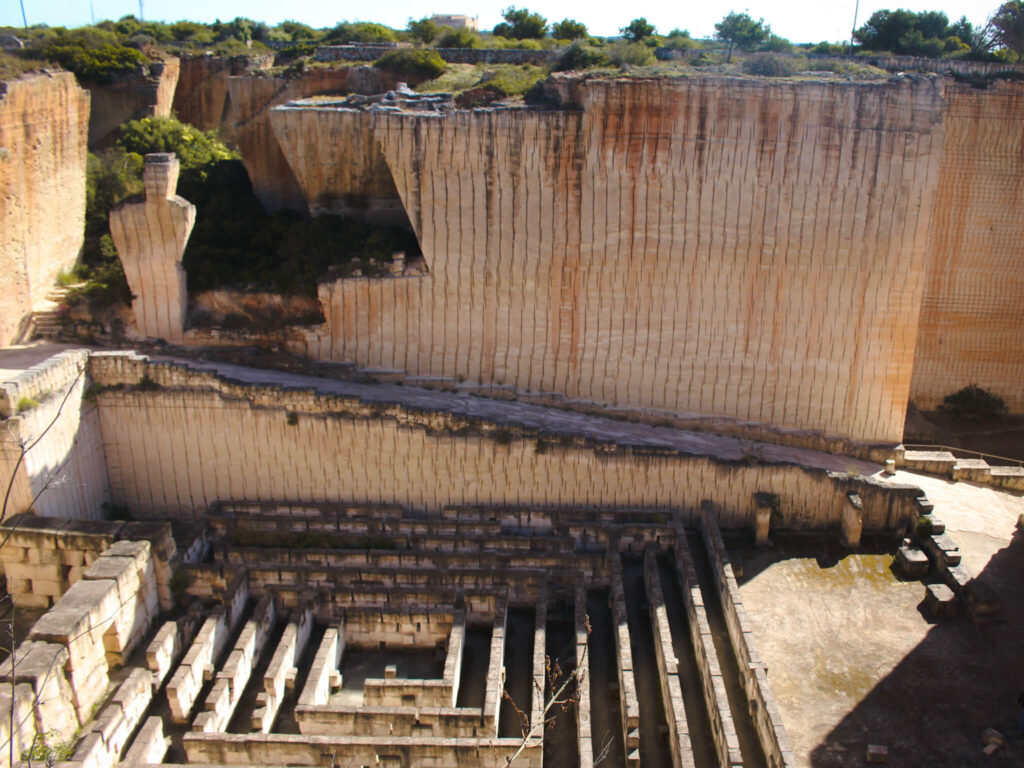
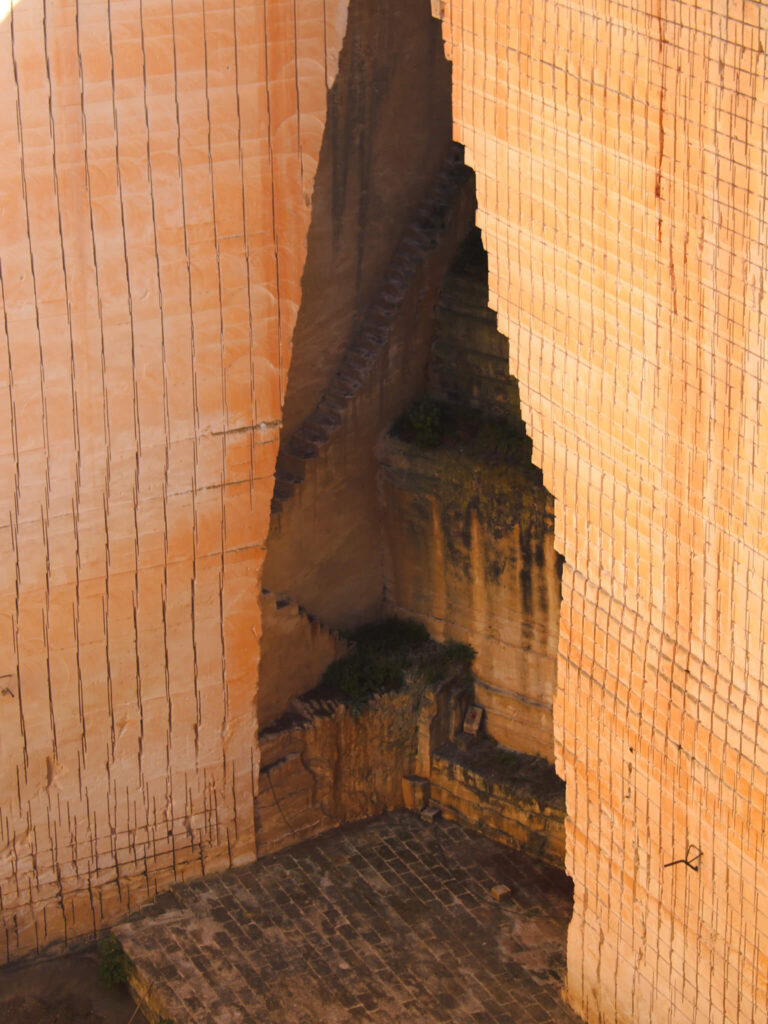
I began the day with a visit to Lithica, one of the most picture-perfect spots in Menorca, as it literally looks like ancient ruins in Egypt or India. But in reality, it is an abandoned limestone quarry transformed into a cultural landscape space. Quarrying here dates back to the 19th century and supplied much of the stone used in Menorcan architecture.
The geometric walls and labyrinth-like cuts make it one of the most popular sites on the island, so it’s mandatory to book in advance (they limit the number of visitors per day, and during the off-season, it’s only open in the morning. Tickets can be exclusively purchased online during the off-season). To my surprise, it was quite busy with visitors, but as you can see in the video, the place is visually striking indeed.

After exploring Lithica, I made a brief stop at Naveta des Tudons, one of the most important prehistoric structures in Europe. Built around 1000–800 BC during the Talayotic period, it is considered one of the oldest intact buildings in Europe. It was used as a collective burial site, and its inverted-ship shape is unique to Menorca’s early culture.

For lunch on the third day, I visited Molí des Comte Asador, set in a historic windmill structure in Ciutadella. The building reflects Menorca’s agricultural past, where windmills were essential for grain production under both Spanish and British rule. However, these days it is one of the fanciest restaurants on the island.
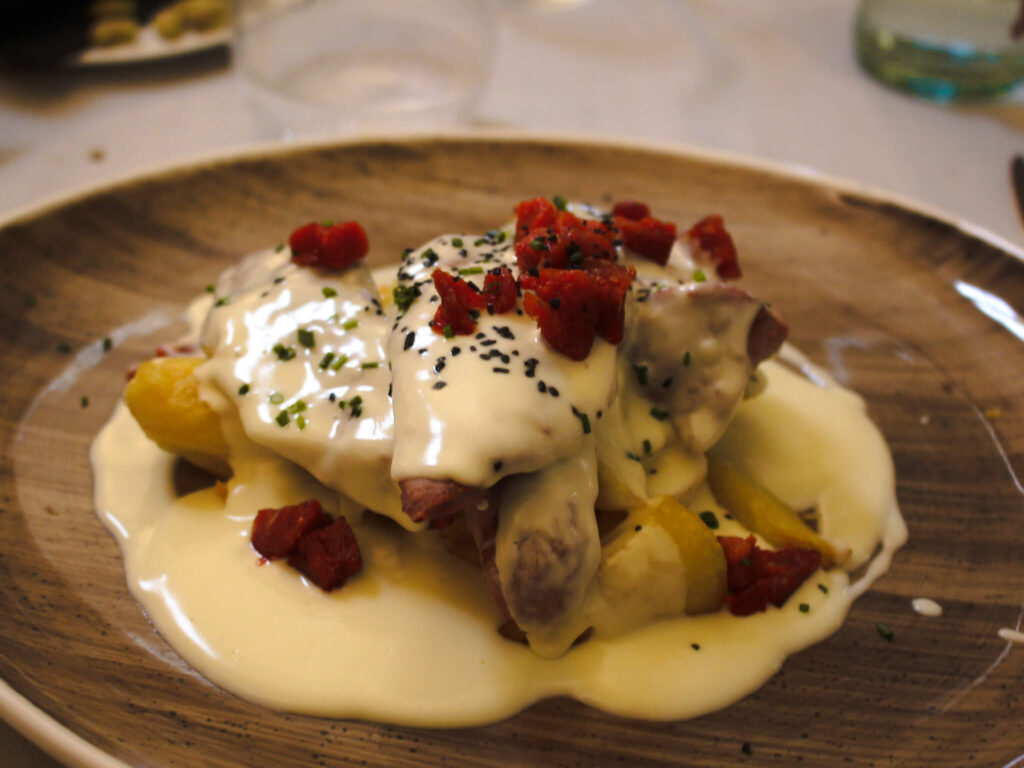
While the food and service were excellent, as someone traveling nonstop across Spain and familiar with typical prices, I found it to be priced for tourists. I still recommend visiting for gourmets willing to splurge. I especially loved their croquetas de sobrasada (traditional sausage of the Balearic Islands), meat with a sauce made from local cheese & sobrassada, and artichokes with foie gras.

In the afternoon, I explored Mahón (keep in mind it is called Maó in the Menorquín language), a city shaped heavily by its natural harbor – one of the largest natural harbors in the world and a strategic naval base for centuries.
Here, I made a stop at the Museu de Menorca, which traces the island’s history from prehistoric Talayotic settlements through Roman, Islamic, and modern periods.


I also bought traditional local shoes (menorquinas), which make a great handmade gift or souvenir from Spain. The place where I got them is called S’Abarca, and the local artisan has been making them for 30 years. You can even personalize them in any color or sole, but this might take a few days, especially during summer. I chose the beige ones they already had displayed, only picking the sole, which they glued for me right there. In a few minutes, I had my new summer wardrobe essential to wear in Spain.
You can read more about what to buy in Menorca in my shopping guide to the island here.

Final Morning: La Mola Fortress & Departure
On my final morning in Menorca, before dropping off my rental car, I visited Fortaleza de la Mola, also officially known as the Isabel II Fortress, built in the 19th century to defend Mahón harbor after concerns about British naval threats. Ironically, by the time it was completed, it was already considered outdated militarily.
The fortress sits on a dramatic peninsula with sweeping sea views, and its scale makes it one of the most impressive defensive structures in the Mediterranean. Since I was short on time, I only spent 1.5 hours exploring this huge fortress. While it usually takes people from 2 to 4 hours to explore everything, I felt like 1.5 hours was sufficient, as you get to see the major areas without turning it into an all-day hike.


After returning the rental car, I still had a few hours before my flight. I initially thought I would just wait at the airport, but at the last moment, I decided to take the bus to Mahón city center and walk around more. I visited the Ca n’Oliver Centre d’Art and had my last lunch with views at Mirador des Port inside Hotel Catalonia. The food was honestly just okay, but this place probably has the best panoramic dining views on the island, so it was a nice way to say goodbye to Menorca.


Is Menorca worth visiting?
Menorca is absolutely worth visiting – I loved my 3 days on the island on this trip. I visited in April, and almost everything was already open for the season, yet it never felt overcrowded, which made the experience really enjoyable. Overall, I ended up enjoying Menorca more than the other Balearic Islands as a complete trip. It feels like the island has just the right balance of everything, from paradise-like coves for a beach getaway to interesting historical landmarks and great food.
Menorca is home to some of the most picturesque beaches in Spain, like Cala en Turqueta and Cala Macarella, among many others. That said, I didn’t love the access – during high season, parking can be nearly impossible, and the roads are quite narrow. But to be fair, this is common in Europe’s most beautiful beach destinations (like the blue lagoon in Cyprus).
One unexpected highlight for me was hiking. The Camí de Cavalls trail loops around the entire island, making it easy to find scenic walking routes. However, there’s very little shade, so during peak summer months, hiking in the middle of the day can be tough – you’ll want to go early in the morning or later in the afternoon.

Menorca vs Mallorca, Ibiza, and Formentera
Compared to Mallorca – one of Spain’s most popular islands – Menorca has fewer major landmarks and attractions, but delivers a very similar overall experience on a quieter, more intimate scale. It’s ideal if you’re looking for the same mix of beaches, culture, and food without the crowds of Mallorca.
In contrast to Ibiza, Menorca felt far more relaxed and quiet. You won’t find big party scenes here, but there are still plenty of excellent restaurants and stylish boutique hotels. The island still feels less international and more local, which adds to its charm.
As for Formentera – arguably home to some of the most beautiful beaches in Spain – Menorca offers more variety. While Formentera is largely about beaches, dining, and boat days, Menorca adds hiking, historical sites, and a broader range of activities to the mix.
The only time I’d hesitate to choose Menorca is for a winter sun getaway. From what I heard locally, the island becomes too quiet in the off-season, with most places closed. If you’re traveling in winter, Mallorca is likely a better option thanks to its year-round infrastructure and livelier atmosphere.
In the video below, I take you through my three latest adventures across Spain and share my genuine experience visiting Menorca. From its laid-back atmosphere to its stunning beaches, I explain why I personally prefer it to Mallorca.
Pin it:

For more Spain travel tips check out my Pinterest board Spain Travel Collection and Flipboard Travel to Spain.

- Accommodation: For short stays, I usually book via Agoda and Booking
- Tours&excursions: My favorites for guided tours are GetYourGuide and Viator
- Museums&attractions: Get mobile tickets for attractions via Tiqets (use ATC5 code for a 5% discount via this link)
- Semi-private & private tours: LivTours is my favorite place for unique & crafted experiences in Europe
- For Foodies: Eatwith is a unique platform for finding culinary experiences with locals around the world
- Audio guides: Book audio excursions & tours in 35+ countries via WeGoTrip
- Flights: Find the best deals with Skyscanner and Kiwi
- Driving in a new country? – Check out Tripiamo guides (do not miss Tripiamo Driving in Spain Guide)
- Train&bus tickets: Currently, I book via Omio (10% off with code ATC10 for first-time customers)
- Car rental: To find the best deals, I use Discover Cars
- Top E-Sim: To avoid roaming fees, I like Holafly (use ATLIFESTYLECROSSROADS for for a 5% discount)
- Shop My Level8 Suitcase: get 15% off with the code ATC15 here
- Internet Security on the road: Connect safely to public Wi-Fi and bypass censorship with NordVPN
- Transfers: For individual transfer services, I like GetTransfer and Kiwitaxi
- Suitcases&Luggage: Discover where to store your luggage on the go with Radical Storage
- Travel Insurance: Find the best trip insurance plans via VisitorsCoverage and EKTA
- Compensation for delayed/canceled flights: Check out AirHelp and Compensair
- Renting Bikes: To find motorcycles, scooters, quads, and bicycles, I use BikesBooking
- Package Tours: Head to CheapOair and Expedia
- For Bloggers: To monetize my blog, I work with Travelpayouts and Stay22
- Website Owners: For hosting services, I work with and recommend Lyrical Host (get 10% off with my code ATC10)





Menorca looks absolutely beautiful, I didn’t realise how pretty it is! X
Menorca has been on my list for so long! Thank you for this itinerary, saving it for when I finally go!
I’ve wanted to visit Menorca for a long time for the hiking and stunning beaches. It’s wonderful to see how many cultural activities there are to explore too!
What a beautiful trip! Enough time to get a taste!
The cool thing about a cruise is that you get to see a lot of places. The con is that you probably wish you could stay a little longer in each destination to explore. Glad you got to go back.
I’ve heard about Menorca before and that’s more quiter than Mallorca, however it just moved up on my to visit list. As a historian, knowing there are so many historical sites is a big plus. That quarry look so unique.
I love that you went back a second time to explore properly with a rental car. It sounds like such a different experience from a quick cruise stop. It’s really helpful to hear that 3 days is enough for an active trip but that beach lovers should stretch it to 5-7, since we’re still deciding how long to stay. The mix of beaches, hikes, and historic landmarks is perfect for us because we get restless just lying in the sand all day. Also noting your tip about staying in the south at Naranjos Resort as a base since having parking nearby sounds like a lifesaver on a small island. Thanks for such a practical post, saving this one for our trip planning!