
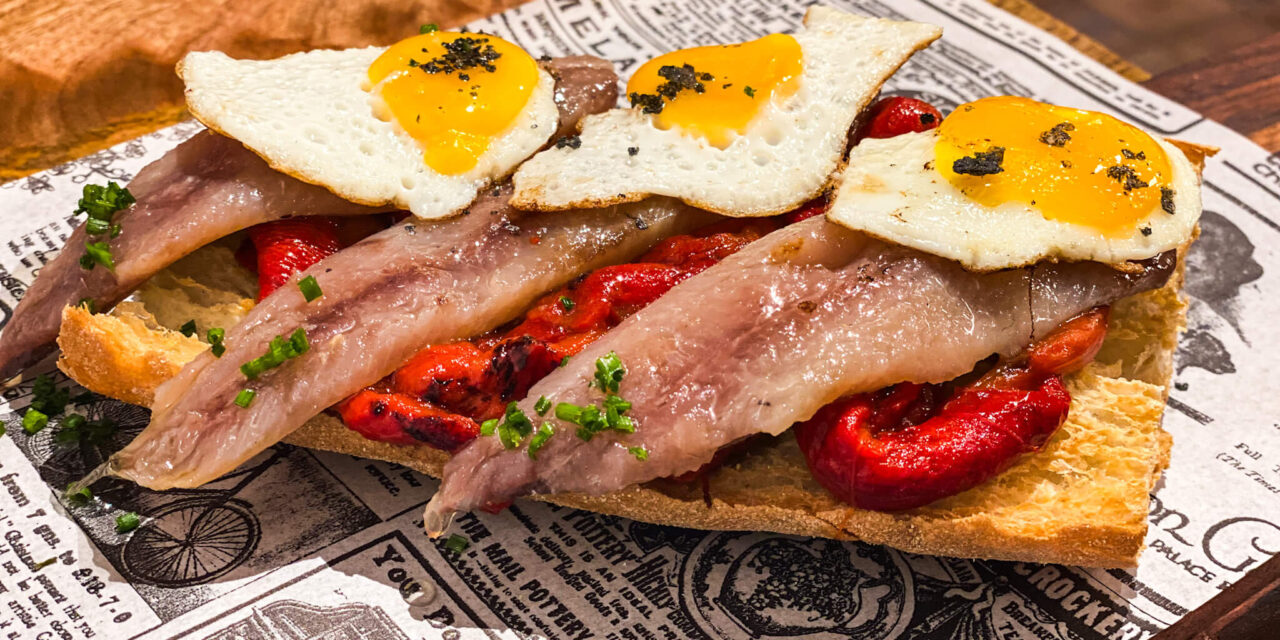
If you’re a foodie visiting Spain, here’s a guide to the country’s best tapas – from iconic classics like tortilla de patata and patatas bravas to lesser-known regional delights such as huevos a la riojana and chorizo a la sidra.
- This post contains affiliate links from which I earn a commission (at no extra cost to you). For more info, please read my disclosure. As an Amazon Associate, I earn from qualifying purchases.
The Ultimate Guide to Spanish Tapas You Have to Try
What are Spanish tapas?
Tapas in Spain are the perfect appetizers, found in countless Spanish bars. Their small size makes them ideal for sampling a variety of dishes and sharing with friends, perfectly reflecting the social nature of Spanish culture.
The tradition of tapas dates back to medieval times: the word tapa literally means “cover” or “lid,” originating from the practice of placing a piece of bread or ham over a glass of wine to keep flies out.
Today, tapas are small portions of traditional Spanish dishes, often enjoyed with a drink. By ordering several different tapas “para picar”, many Spaniards actually have a full dinner in this way. It’s a convenient and delicious way to experience a variety of flavors.

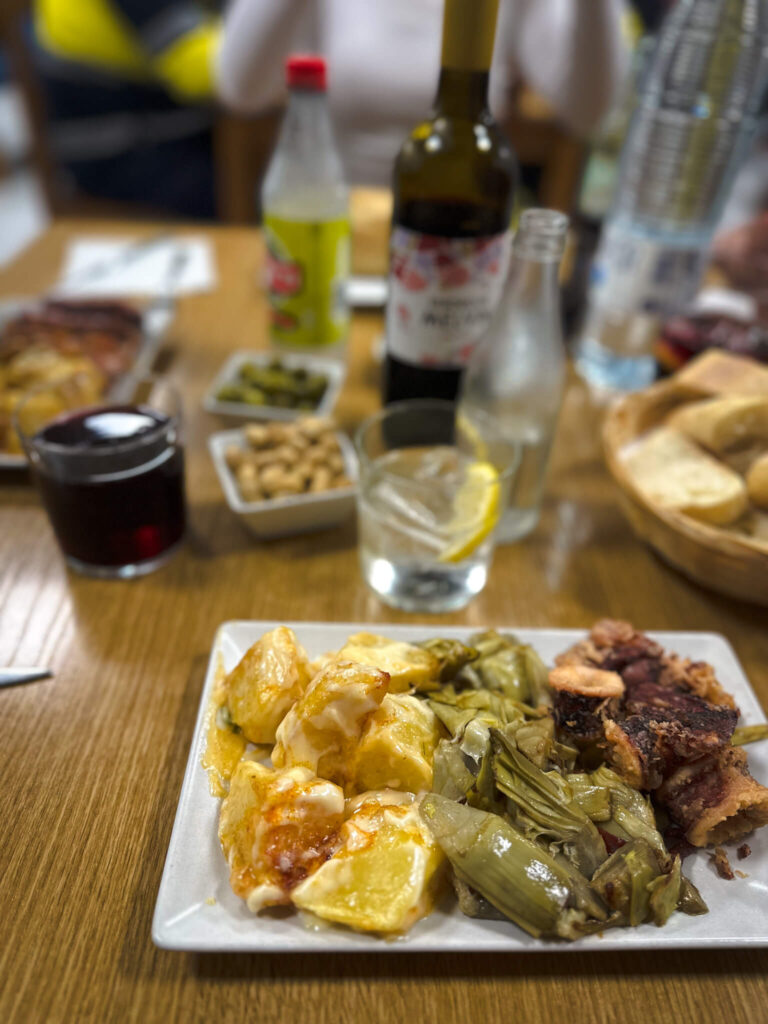

22 Best Spanish Tapas and How to Make Them at Home
In this post, you’ll find some of the most famous Spanish tapas as well as a few of my favorite lesser-known regional specialties that I discovered while traveling across Spain.
Many tapas rely heavily on local ingredients. For example, Asturias in northern Spain is famous for its apple cider, which is used in dishes like chorizo a la sidra (chorizo cooked in cider) and merluza a la sidra (hake cooked in cider). While these regional tapas are delicious, you won’t find them in every bar or restaurant across Spain the way you would classic egg dishes like tortilla de patata.
Patatas Bravas
Patatas Bravas – probably one of the most iconic Spanish dishes. These crispy, golden potatoes are served with a spicy tomato sauce or aioli.
From the level of heat to the way the potatoes are cut, I’ve encountered countless variations across Spain – each region has its own take on patatas bravas. And in more upscale restaurants, chefs often add creative twists to this classic tapa. You can find the traditional recipe here.

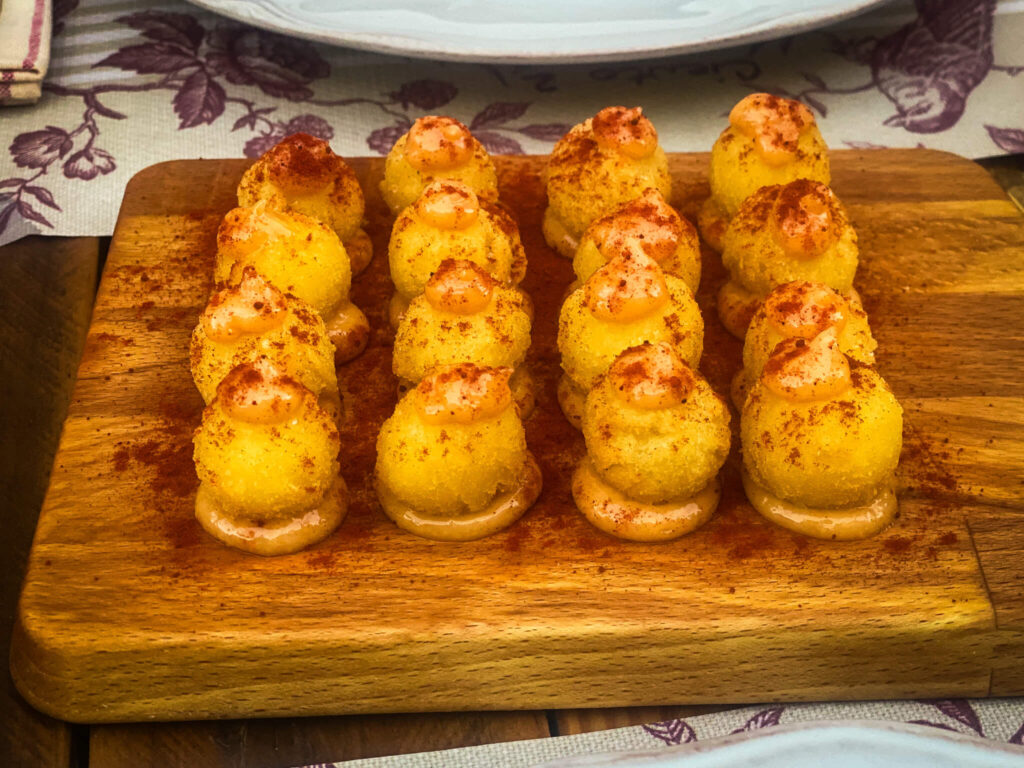
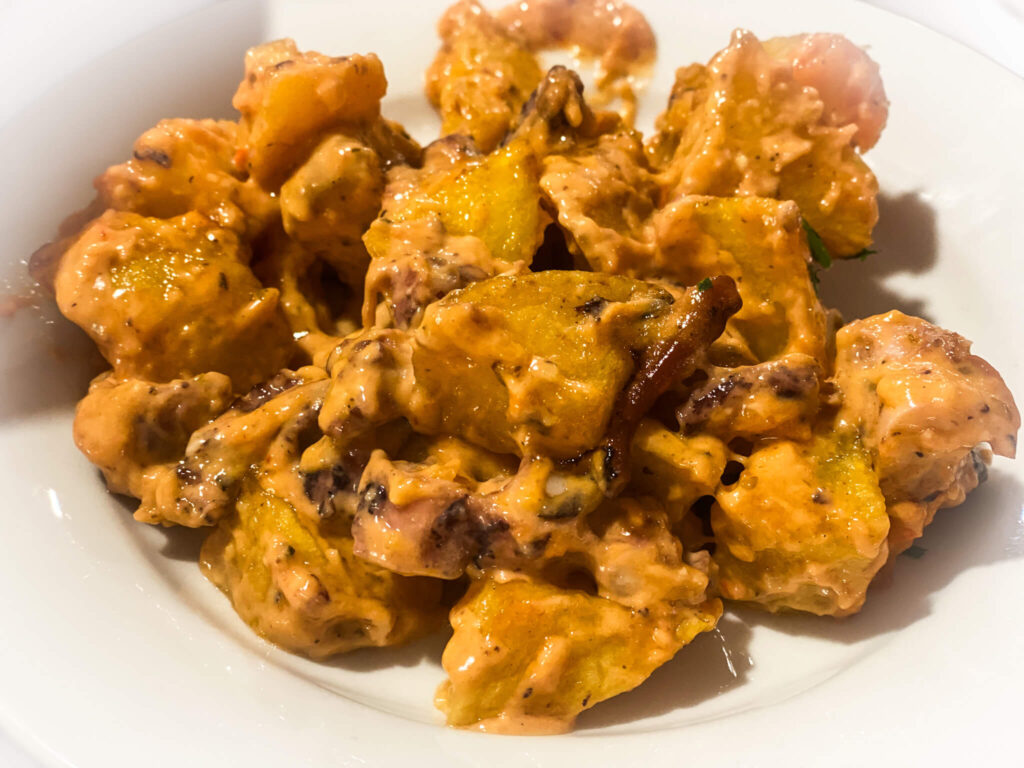
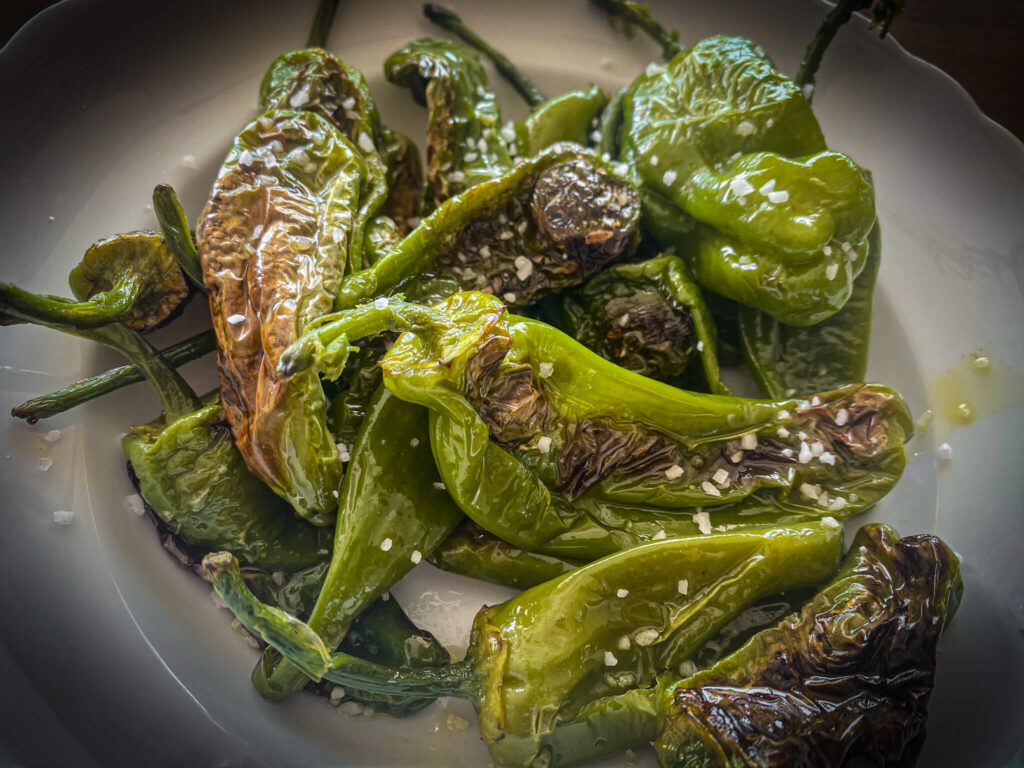
Pimientos de Padrón
Pimientos de Padrón are small green peppers, usually fried in olive oil and sprinkled with coarse sea salt. This tapa is especially fun because it’s unpredictable – most peppers are mild, but every now and then, you’ll bite into a spicy one! You can find the full recipe here.
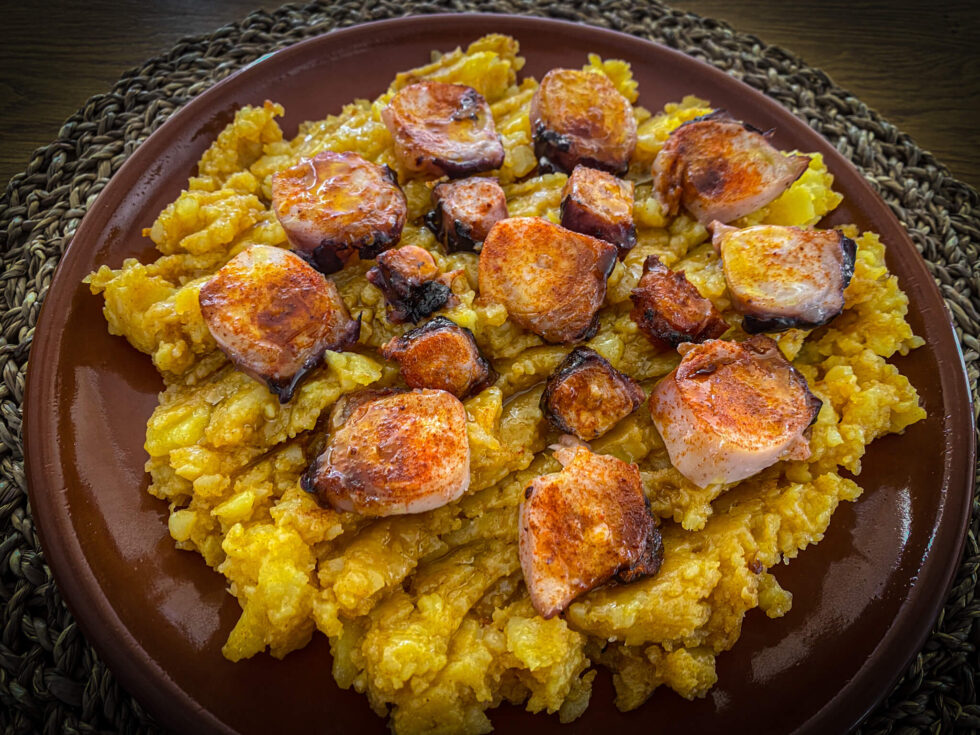
Octopus (Pulpo a la Gallega)
Octopus tapas are some of my all-time favorites in Spain. The most popular Spanish octopus dish is probably pulpo a la gallega, where tender slices of octopus are served over boiled potatoes and sprinkled with smoked paprika and olive oil. Another delicious variation is Pulpo a la Peregrina (Pilgrim’s octopus), which features a base of creamy mashed potatoes.
During my travels across Spain, I’ve tried many variations of octopus tapas. One of my absolute favorites is currently pulpo gratinado, where octopus is layered over a base of potatoes and topped with alioli and grated almonds.
So, while pulpo a la gallega remains the most common octopus tapa in Spanish bars, exploring these variations is a real treat. You can find the detailed recipe of Pilgrim’s octopus here.
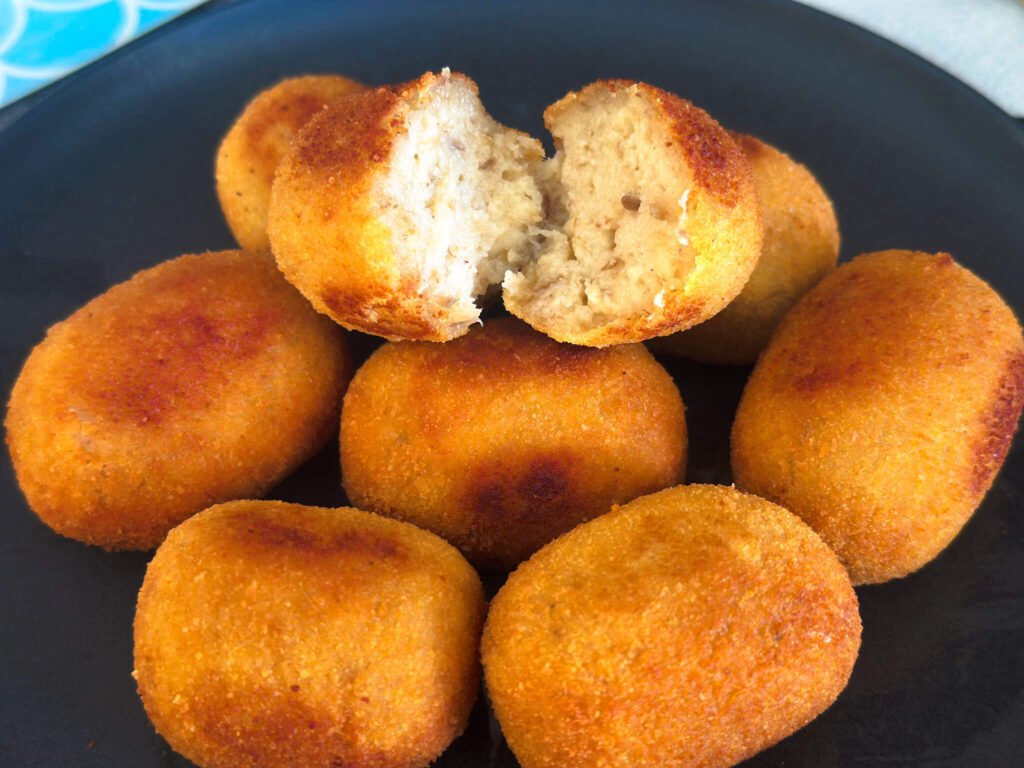
Croquettes (or Croquetas)
Croquetas are another incredibly popular Spanish tapa, originally created by households as a clever way to use up leftovers. Crispy on the outside and creamy on the inside, they’re the ultimate Spanish comfort food.
While ham croquettes are the most typical, Spanish chefs get creative depending on the region or season, with mushroom and chicken croquettes also widely enjoyed. I had a blast learning to make them during a cooking class in Madrid – it was such a fun hands-on experience! Also, while in Barcelona, I loved trying the local croquette, called the Bomba de Barcelona.


Huevos Rotos (Spanish ‘Broken Eggs’)
If I had to pick my top three Spanish tapas to eat for the rest of my life, one would be huevos rotos. This dish features crispy fried potatoes topped with runny eggs and often slices of jamón – sometimes even chorizo, and on one unforgettable occasion, I had it with grated truffles, which was absolutely divine.
Breaking the yolk over the potatoes creates a rich, indulgent sauce that makes every bite irresistible. You can find the full recipe here.

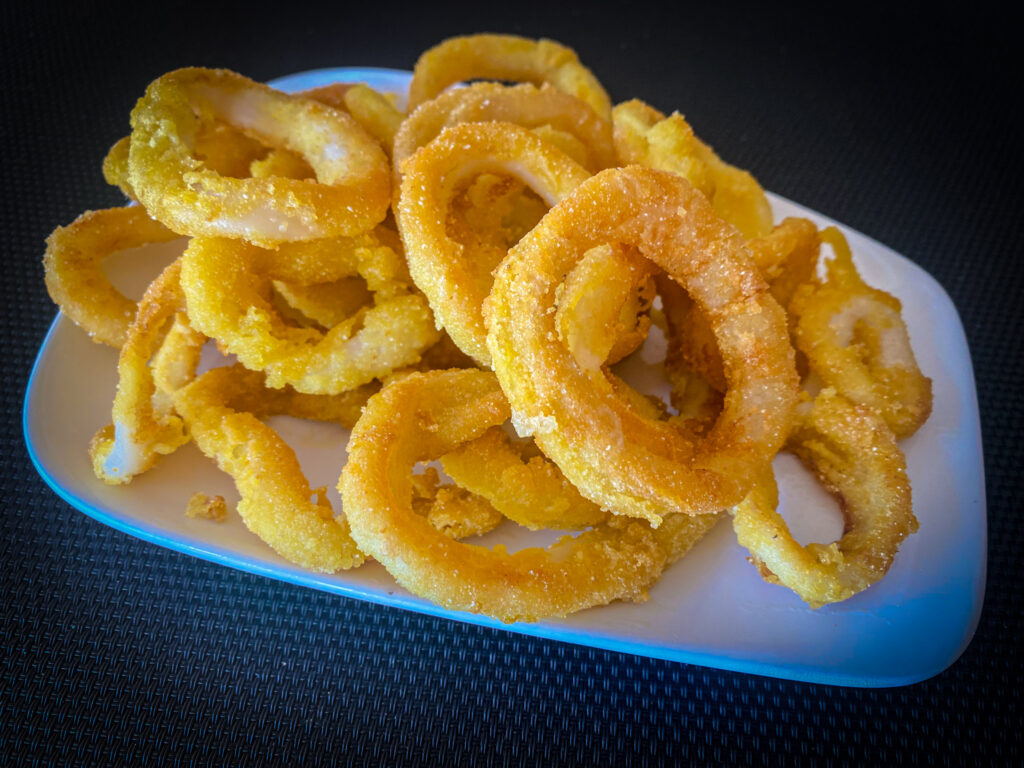
Calamares a la Romana (and Other Squid Tapas)
Calamares a la Romana are another extremely popular tapa in Spain, available in most bars and restaurants – and often used as a sandwich filling during almuerzo in Valencia. These lightly battered and fried calamari rings are typically served with a wedge of lemon. Crispy on the outside and tender inside, they’re a simple yet delicious classic across the Iberian Peninsula. You can find the detailed recipe here.
Depending on the season and the bar / restaurant, you may also come across puntilla (deep-fried baby squid), chipirones (smaller squid – like the ones I’m having in the photo below, which look a bit different from calamares a la romana), or calamares encebollados (calamari cooked with onions).

Gazpacho & Salmorejo
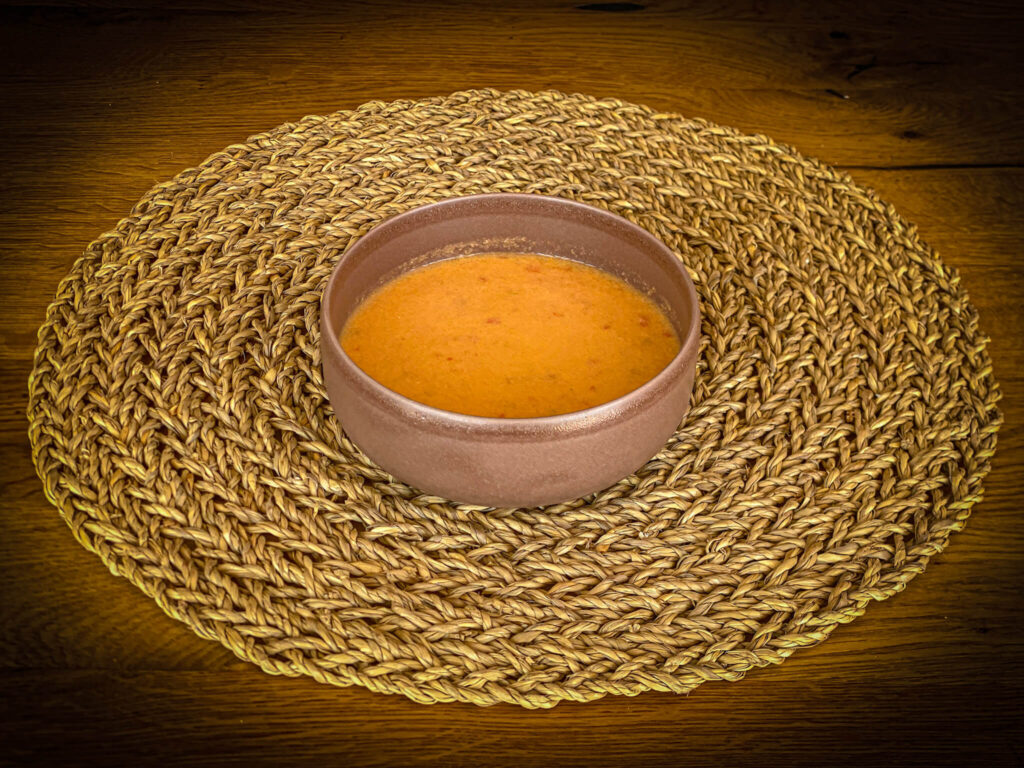
Gazpacho is one of Spain’s most iconic soups. Originally from the south, it’s now popular throughout the entire country these days. This chilled, tomato-based soup is made with fresh vegetables and is especially refreshing on hot days in places like Seville or Cadiz. It’s healthy, tangy, and full of Mediterranean flavor. You can find the detailed recipe here.
Salmorejo is similar to gazpacho but is particularly associated with Córdoba (you’ll often see it on menus as salmorejo cordobés). It’s thicker and creamier, made with plenty of breadcrumbs, and traditionally served with ham and grated boiled egg.
Tortilla de Patata (or Spanish omelet)
Tortilla de Patata is one of Spain’s most iconic comfort foods, and you can find it almost everywhere. Made with eggs, potatoes, and onions, it can be enjoyed warm or at room temperature. It’s simple yet incredibly satisfying – and many Spanish bars and restaurants offer creative variations alongside the classic version, such as tortilla with jamón, bell peppers, asparagus, or even pumpkin as a fun autumn twist. You can find the detailed recipe here.
Tortilla de Patata is especially trendy in Madrid, where restaurants compete during gastronomic weeks to create the best version. Ideally, the center should be slightly runny, though many places across Spain cook it fully for safety reasons. Even so, it’s always delicious. In my Spain for Foodies itinerary, I share some iconic Madrid restaurants where you can try gourmet versions of this beloved dish.

Morcilla
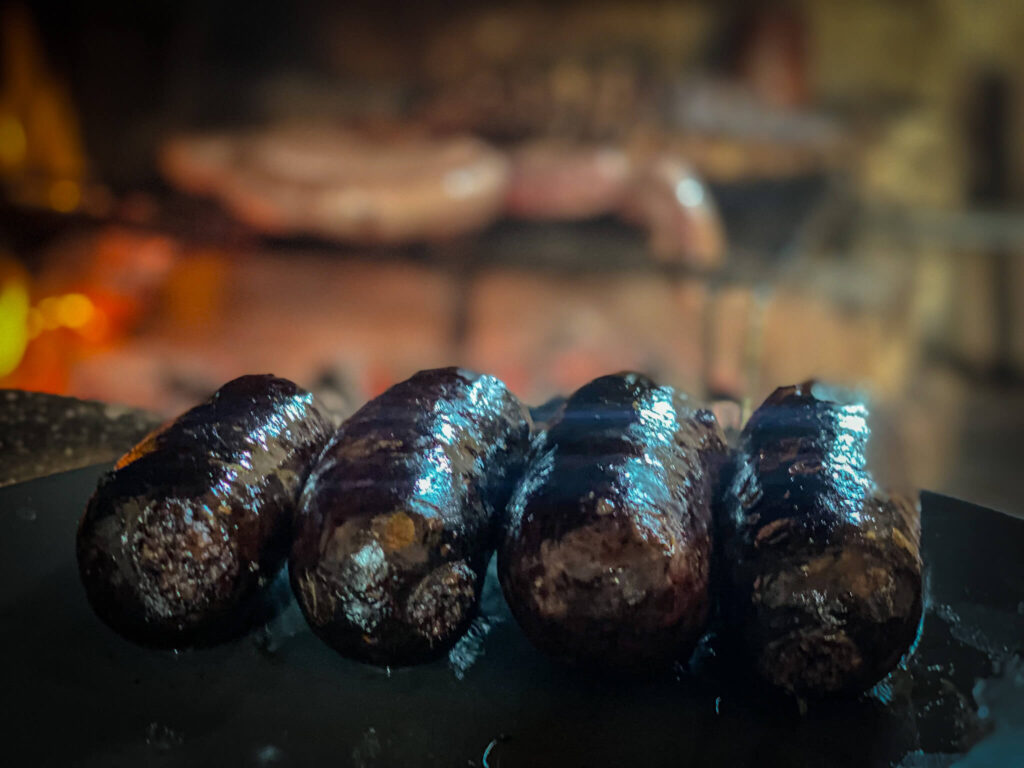
Morcilla is a well-known Spanish blood sausage, typically made with rice, onions, and spices. Originally traditional to the region of Burgos, it has since become popular throughout Spain.
It’s often grilled or fried and served in slices as a tapa or in sandwiches and stews, like fabada. During my travels across the country, I’ve tried countless dishes featuring morcilla, with one of the most popular being revuelto de morcilla (or scrambled eggs with morcilla sausage).
Chorizo a la Sidra (or al Vino)
Chorizo is one of Spain’s most famous food souvenirs, probably second only to Jamón Ibérico. It can be bought cured and dried, perfect for serving on charcuterie plates, or fresh from the refrigerated meat sections in supermarkets and carnicerías (butcher shops), which requires cooking.
Across Spain, chorizo appears in everything from tapas and hearty stews to simply grilled dishes and toasts. Some of the most flavorful versions include chorizo a la sidra, a traditional Asturian dish, and chorizo al vino, where the sausages are slow-cooked until tender. Beyond cider or wine, many restaurants and households in Spain experiment with chorizo using different types of alcohol – like in our Devil Chorizo recipe with whiskey – or enjoy it simply grilled or on charcuterie plates.


Gambas al Ajillo
Gambas al Ajillo is another iconic Spanish tapa: succulent shrimp sizzling in olive oil with garlic and chili peppers, bursting with aroma and flavor. It’s arguably the most famous Spanish dish featuring shrimp, alongside other classics like seafood paella, fideuà, revuelto de gambas, and shrimp with artichokes. You can find the full recipe for Gambas al Ajillo here.

Cojonudos
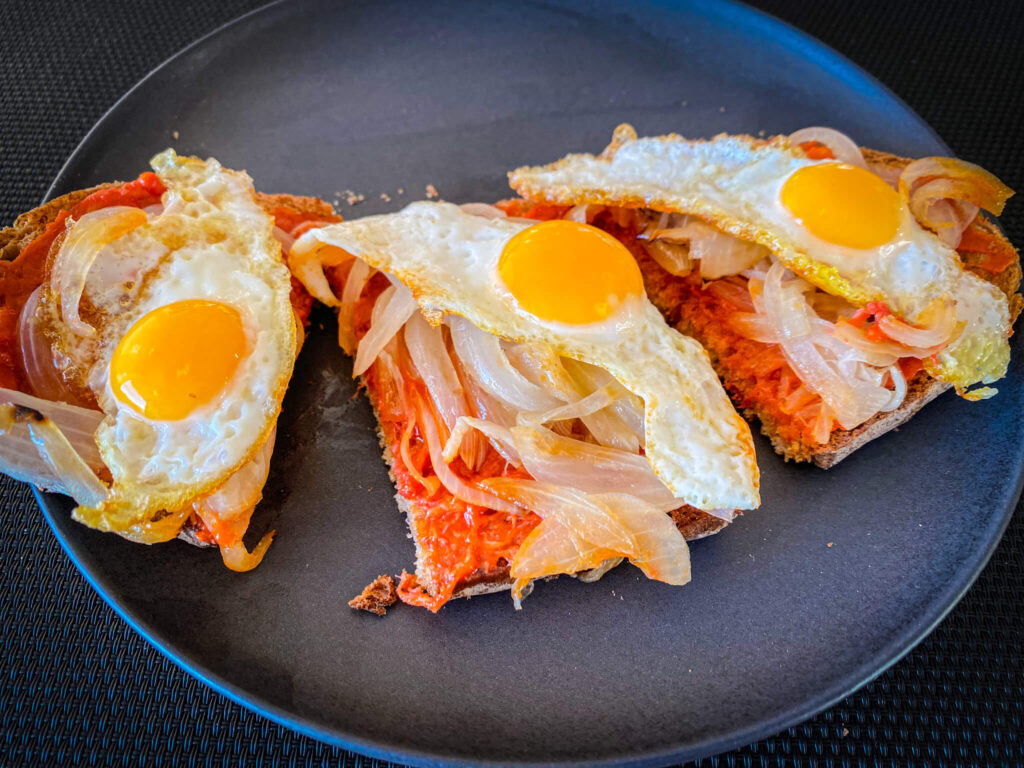
Cojonudos is likely one of my favorite Spanish tapas, highlighting another beloved local ingredient commonly used in tapas and as a toast topping: Mallorcan sobrassada. This dish features a quail egg and is such a treat that even my kids love ordering it in Spain. I’ve mostly seen it on tapas menus along the eastern coast, in regions like Mallorca, Valencia, and Catalonia. You can find the full recipe for Cojonudos here.
Magro con Tomate
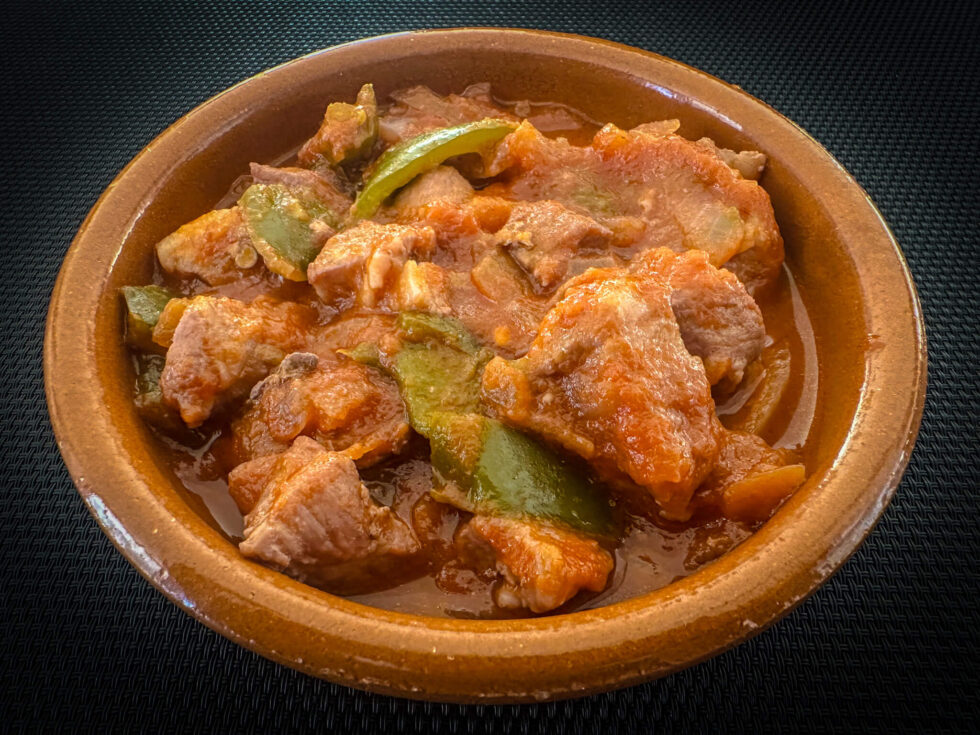
Magro con Tomate is another extremely popular traditional Spanish tapa. While you might see it less in touristy spots, it’s a staple in local, traditional eateries frequented by Spaniards. The dish is simple – lean pork cooked in a rich tomato sauce – but hearty and quintessentially Spanish. First-timers might notice how Spain really shines when it comes to pork dishes, and how widely tomato is used across Spanish cuisine, from pisto manchego (a vegetable ratatouille) to meatballs and toast toppings.
I’ll admit, it’s not my personal favorite tapa to order in Spain, but my husband Carlos and his Spanish relatives adore it. So, strictly from our family it almost sounds like Magro con Tomate is a way to test one’s Spanishness! You can find the detailed recipe here.
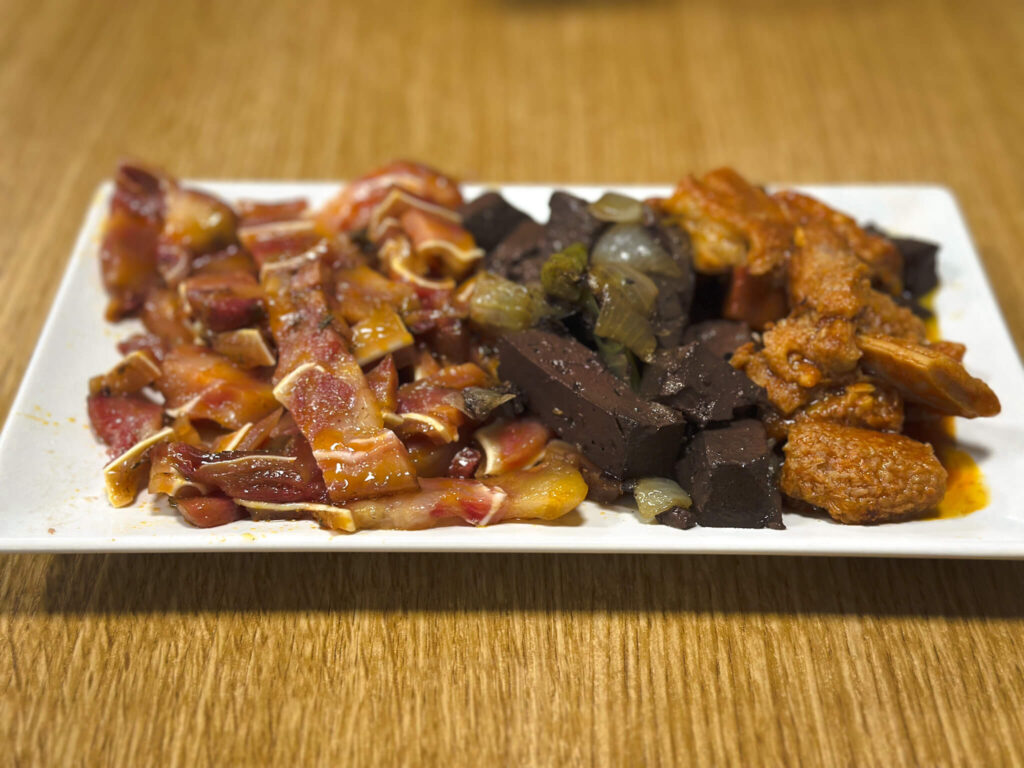
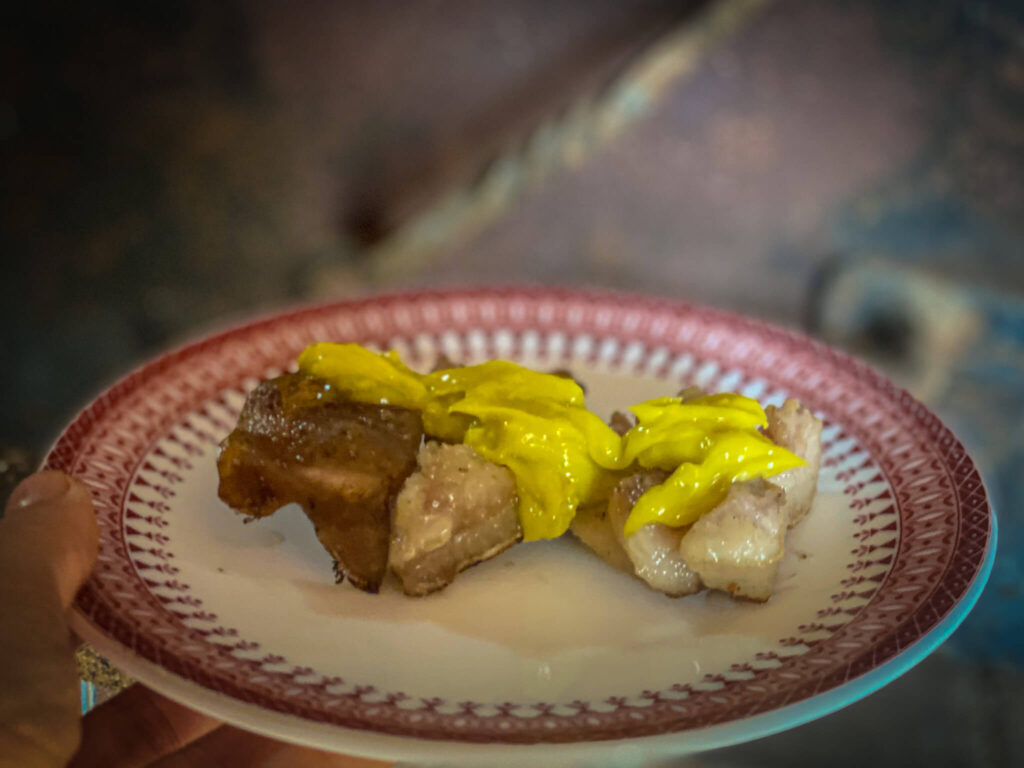
Callos, Morro, Sangre & Orejas
If Magro con Tomate feels like something homemade in Spain, there are other traditional Spanish tapas where I clearly fail the Spanishness test – even after 15+ years living in the country: callos (tripe stew), morro (pork snout), sangre encebollada (solidified chicken or pork blood cubes fried with onions), and orejas (fried pig’s ears). You’ll rarely find these in tourist spots, but in traditional Spanish bars and restaurants, they are almost always on the tapas menu and considered a true delicacy.
Whenever friends or family visit me in Spain, I make it a point to take them to local spots to try these dishes. Their excitement is always palpable – but no one has ever chosen to order them again on future trips. These tapas are definitely unique and curious, perfect for adventurous food travelers, but they’re not for everyone. Personally, I’ve tried all of them out of curiosity, but unless absolutely necessary, you won’t catch me ordering these as tapas.
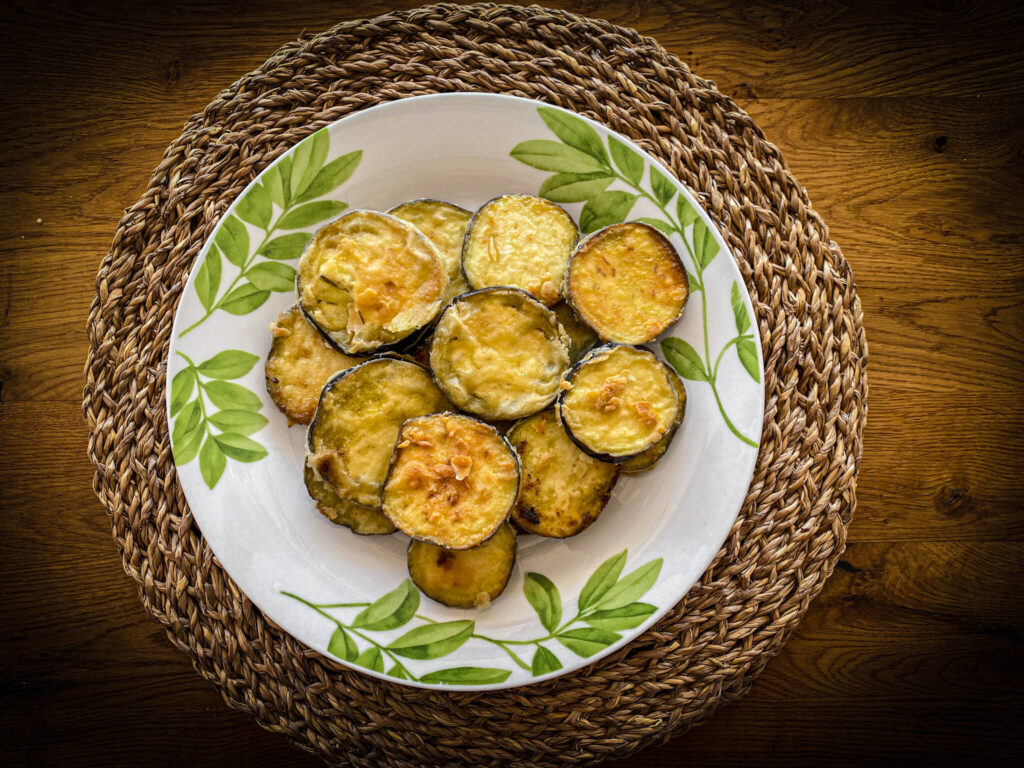
Berenjenas Fritas (Fried Eggplants)
One of the most beloved vegetarian Spanish tapas is Berenjenas Fritas – thin slices of eggplant fried until golden and sometimes drizzled with honey. Their tender texture and sweet-savory flavor make them an irresistible tapa and a popular starter on tables across Spain.
That said, when it comes to eggplant dishes in Spain, Berenjenas Rellenas or Mallorcan-style eggplants are often even more popular – but these are typically served as main courses in restaurants rather than as tapas. In Carlos’s Spanish family, they especially enjoy making Berenjenas Fritas, you can find the full recipe here.
Sepia con Salsa Verde
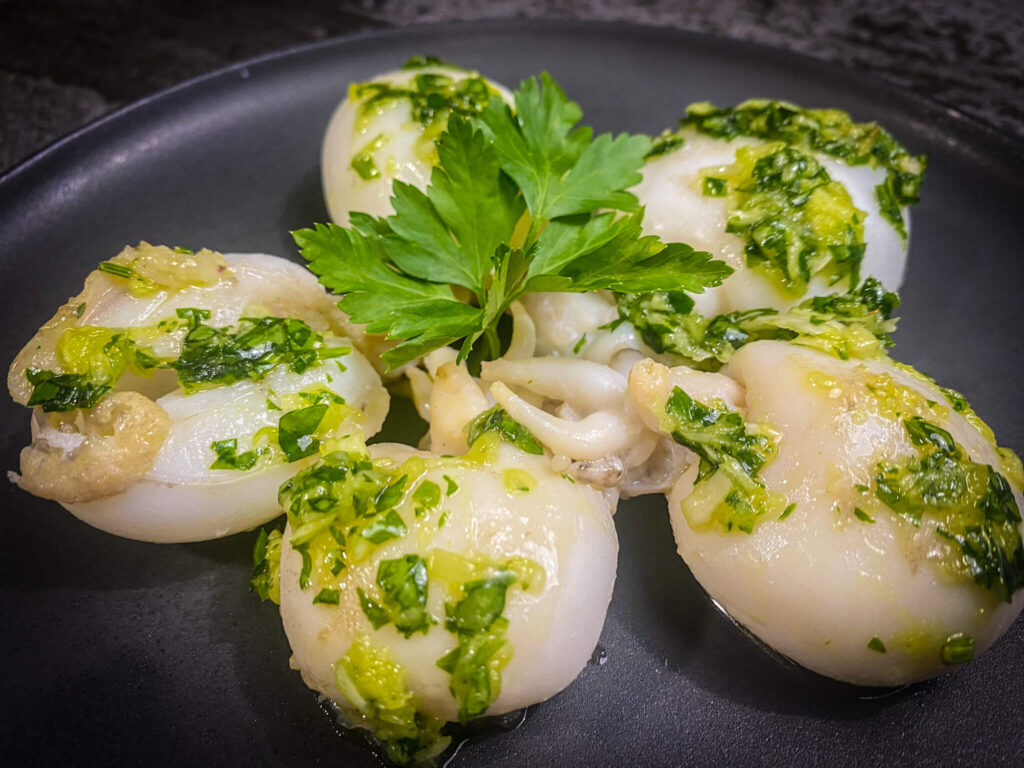
Sepia con Salsa Verde is one of my favorite Spanish tapas – simple, flavorful, and nutritious. Tender cuttlefish is cooked in a vibrant green sauce of parsley, garlic, and olive oil. Fresh, aromatic, and full of seaside charm, this tapa is a true delight for seafood lovers.
It’s sometimes served whole, as in the photo below, or cut into small pieces – the latter being even more common across Spain. You can find the full recipe here.
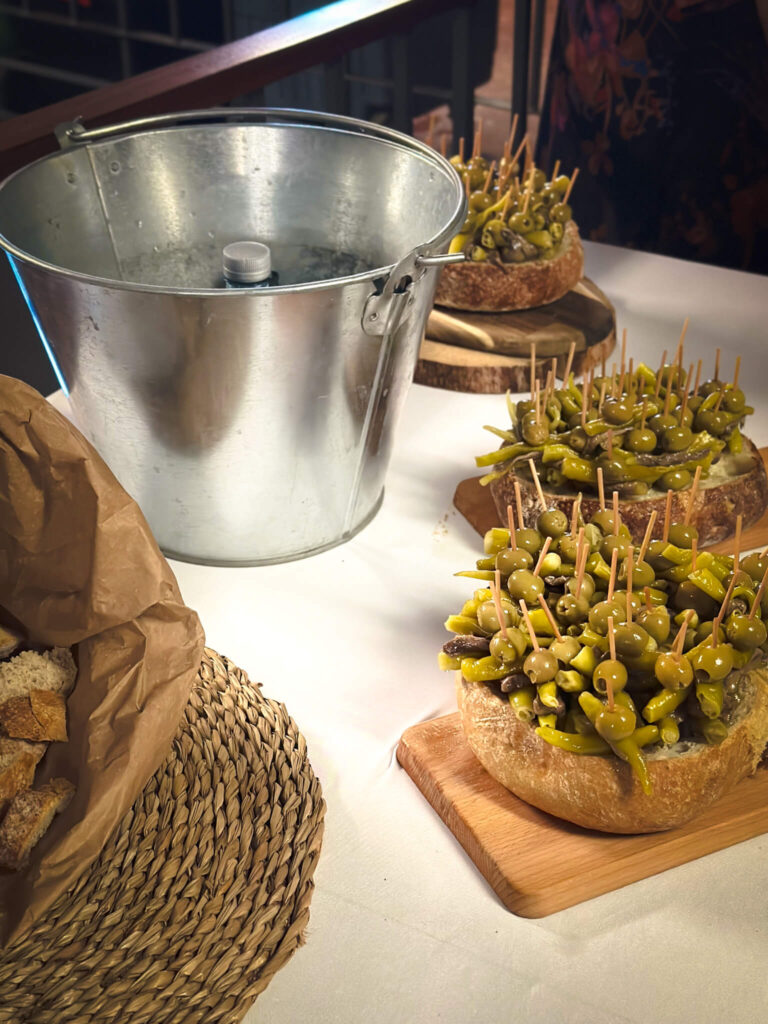
Gildas
Gildas are another popular Spanish tapa, especially common in the Basque Country, and cities like Bilbao and San Sebastian. These simple skewers combine olives, pickled peppers, and anchovies, creating a perfect balance of salty and tangy flavors. Bite-sized and full of character, they make an ideal appetizer.
Rabo de Toro
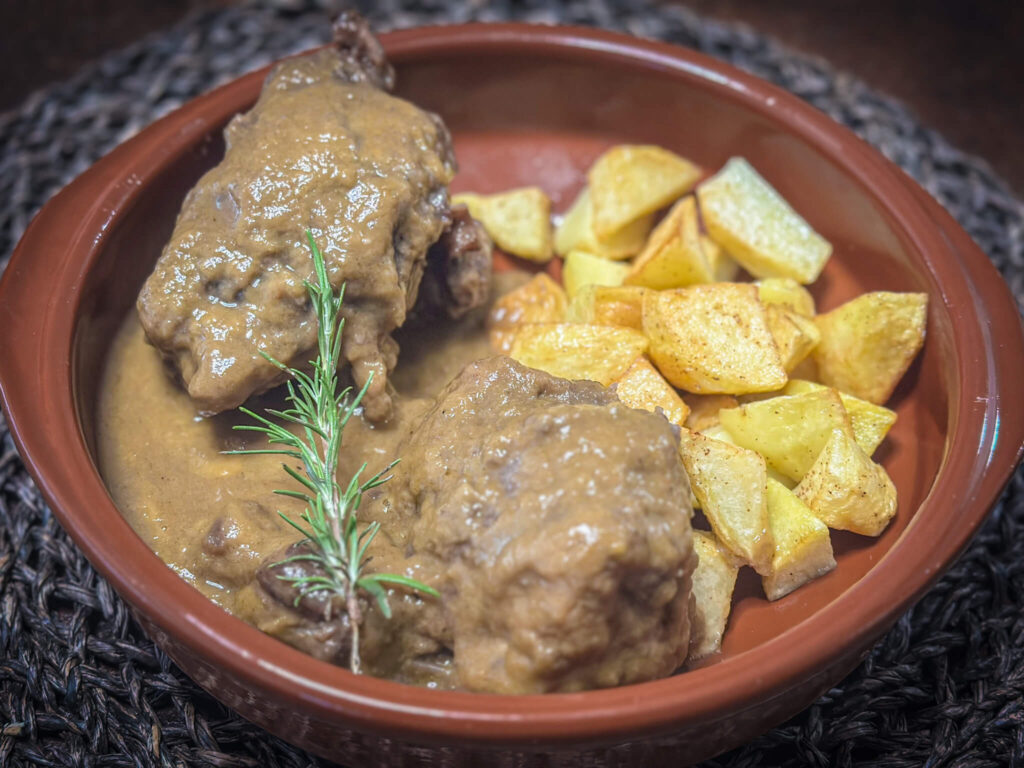
Rabo de Toro is one of the most beloved dishes in Spanish villages, though in traditional bars and restaurants, you can also find it served as a tapa. It’s a slow-cooked oxtail stew, simmered until tender in a rich, savory sauce – perfect for anyone who enjoys deep, meaty flavors.
I actually tried Rabo de Toro before knowing what it was, since it looks like any other slow-cooked meat. Yet, it’s one of the few traditional Spanish dishes I genuinely enjoy as a comforting winter meal. You can find our family recipe here.
Ensaladilla Rusa
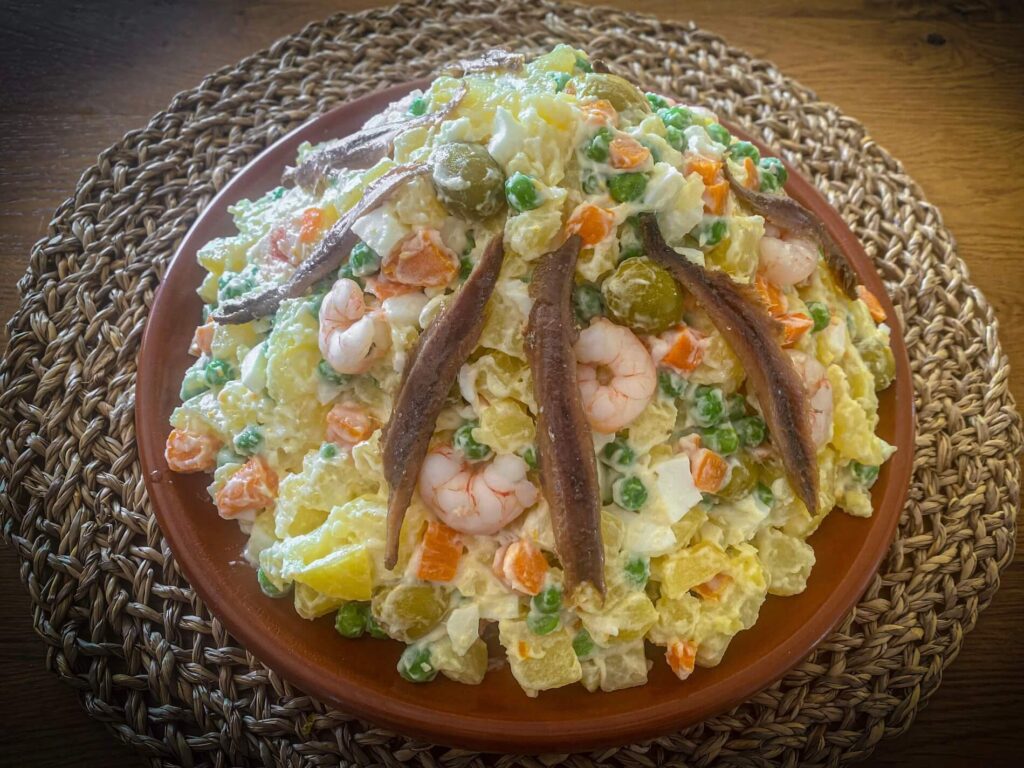
Ensaladilla Rusa, or Russian salad, is another widely popular tapa across Spain – a local take on the classic Russian Olivier salad. In Spanish bars and restaurants, it’s typically served as a creamy potato salad with peas, carrots, and tuna, all dressed with mayonnaise. Much like patatas bravas or tortilla de patata, there are countless variations of ensaladilla rusa in Spain: some chefs add shrimp, anchovies, olives, jam, or even crab meat or sticks. Over the years in Spain, I’ve learned not to be surprised when ordering it, as it almost always comes with a new twist.
One thing I find a bit disappointing is that many bars in Spain use pre-made frozen vegetable mixes from supermarkets, even though fresh ingredients are readily available year-round.
On a more personal note, in our Spanish family – thanks to my mom, who is Russian from St. Petersburg – we’ve had the authentic version of Russian salad at family gatherings. Ever since, all the Spanish relatives have preferred that homemade version over the typical ensaladilla rusa served in most bars. Yet, I often find myself enjoying this ensaladilla rusa, especially with olives and anchovies – even though they aren’t part of the traditional Russian salad.
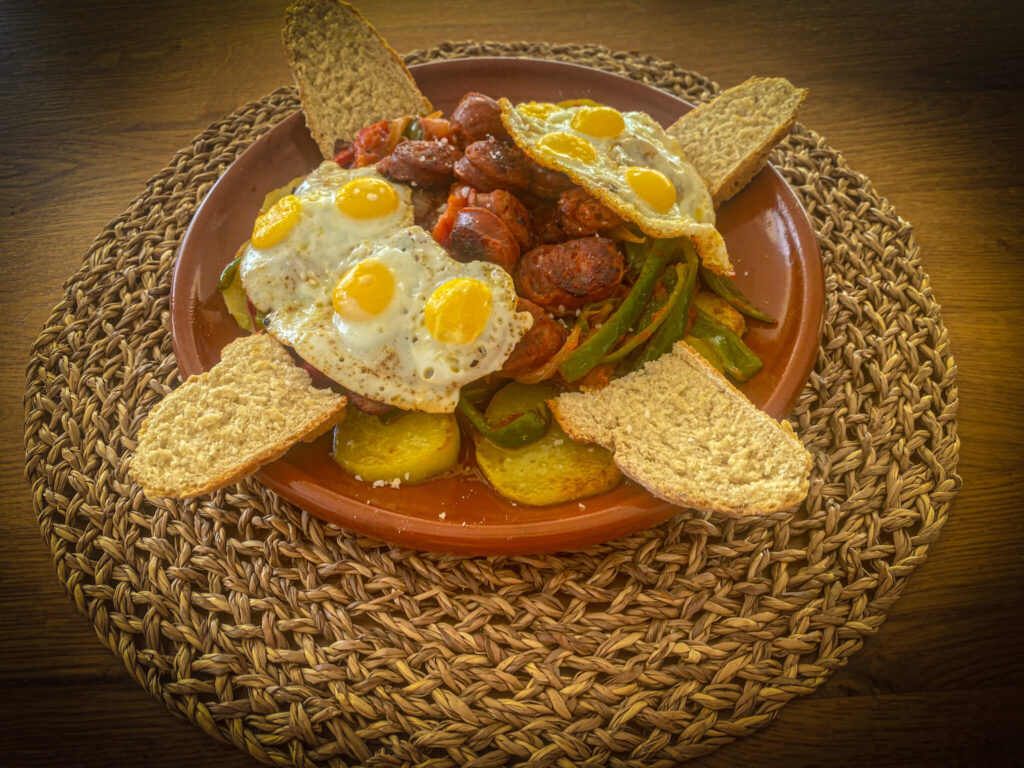
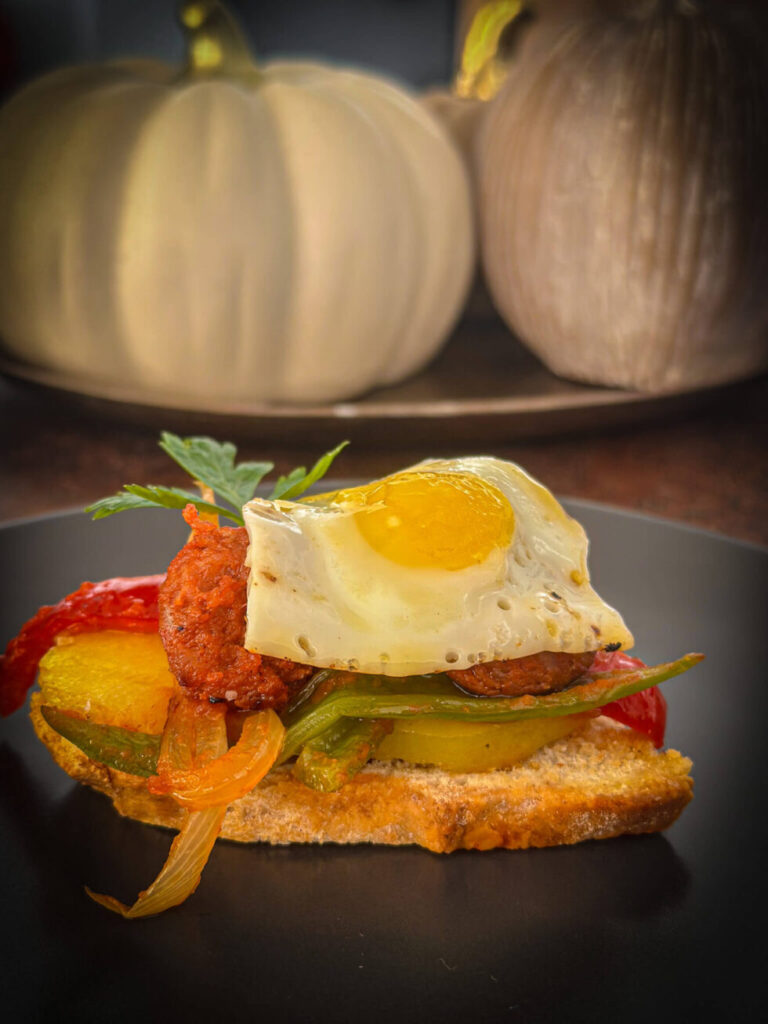
Huevos a la Riojana
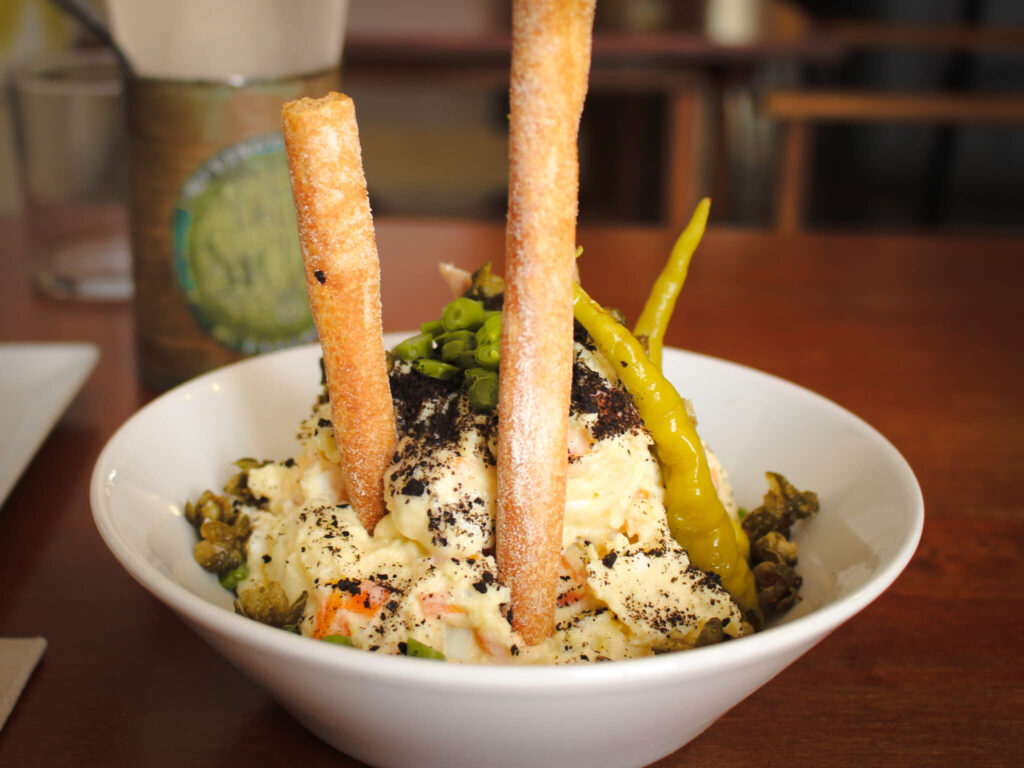
Huevos a la Riojana is another delicious Spanish tapa, typical of the La Rioja region and popular in northern Spain. It’s one of my personal favorites, though less common in the southern and eastern parts of the country. Made with eggs and vegetables, it often includes chorizo, and the way these ingredients come together in this dish is simply irresistible.
I couldn’t leave it out of this tapas guide, even though it’s not found in every bar or restaurant across Spain. You can also try making it at home with this recipe.
Jamón con Alcachofas (Spanish Ham with Artichokes)
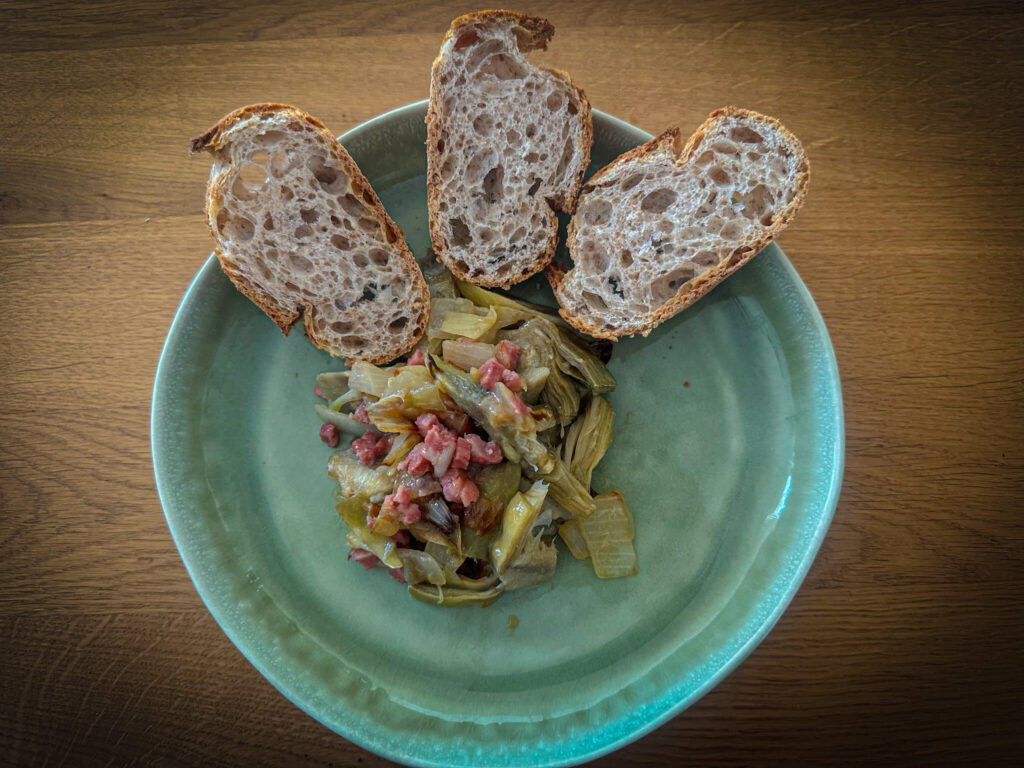
Jamón con Alcachofas, or Spanish ham with artichokes, is another delicious tapa to try if you love artichokes. Spain grows artichokes in several regions, and I’ve already shared on the blog our visit to the Gastronomic Weeks of Artichoke in Benicarló, where we tried dishes and tapas made entirely with artichokes.
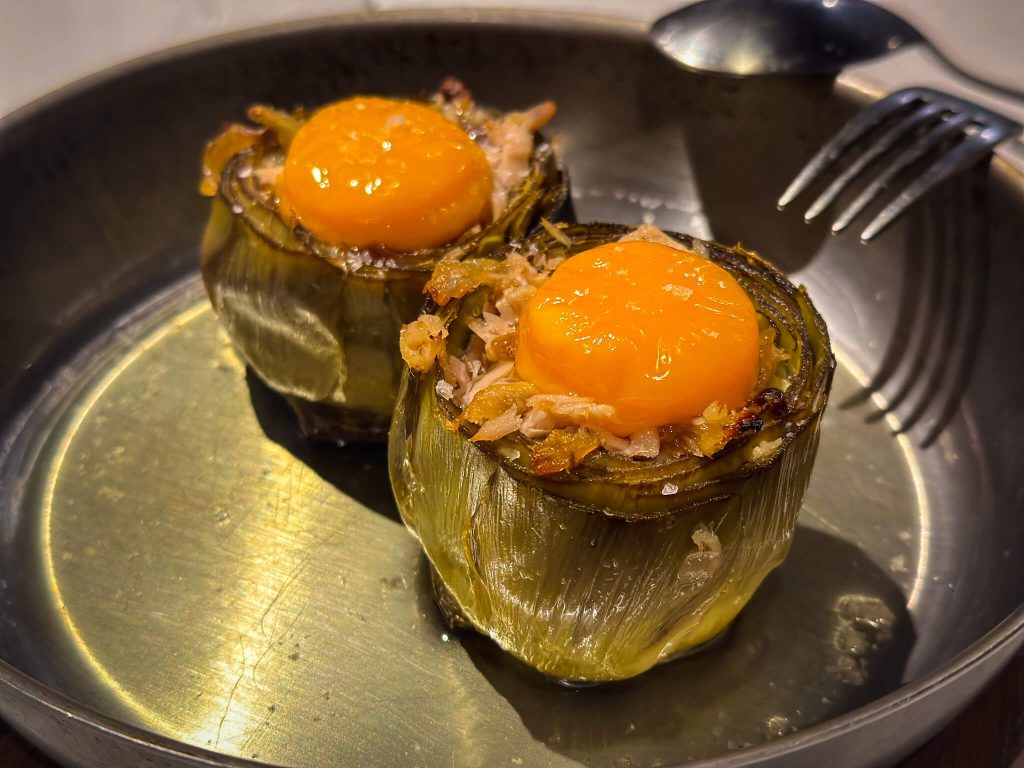
While this festival is a special treat for artichoke lovers in Spain, in everyday bars and restaurants across Spain, artichokes usually appear in simpler tapas – often paired with Spanish ham, shrimp, or simply served fried. On my travels, I once tried a stuffed artichoke topped with an egg yolk as a starter, but this style is far from common. You can find a recipe for artichokes with ham tapa here.
Boquerones
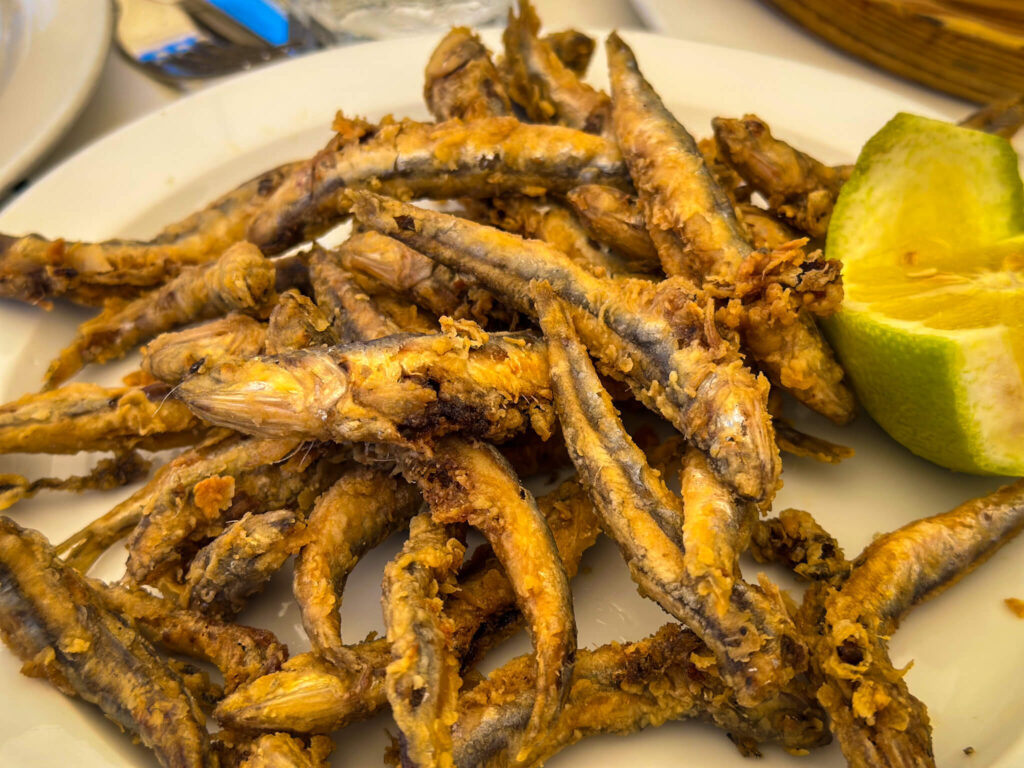
Boquerones al Vinagre is another extremely popular tapa you’ll find in bars throughout Spain. These white anchovies are marinated in vinegar, garlic, and olive oil, creating a tangy, fresh, and flavorful bite.
Personally, I’m not a huge fan – I prefer anchovies served on toast or Boquerones Fritos (deep-fried anchovies) – but Boquerones al Vinagre remain a classic of Spanish tapas and a must-try for anyone looking to experience the country’s rich culinary traditions.
Read more about Spanish food:
- Winter Foods in Spain: The Best Hearty Spanish Stews and Soups to Try (read it)
- Fall Foods in Spain: Seasonal Comfort Dishes to Enjoy This Autumn (read it)
- Best Local Food Experiences in Spain Not To Miss (read it)
- Top Foods in the Pyrenees of Spain (read it)
- My Amazing Spanish Cooking Class in Madrid (read it)
- Family, Countryside, and Cooking The Traditional Paella (read it)
- Visiting Basque Cider House near San Sebastian (read it)
- Spanish Eating Habits: Almuerzo in Valencia (read it)
- Traditional Spanish Food in Local Villages: Part 1 (read it)
- An Amazing Artichoke Tasting Menu in Benicarlo (read it)
- Gastronomic Weeks in Spain: A Hazelnut Menu (read it)
- 44 Famous Spanish Dishes You Can’t Miss (read it)
- 5 Best Traditional Spanish Rice Recipes To Try (read it)
- 10+ Best Local Food Souvenirs from Spain (read it)
- A Local’s Guide to the Best Spanish Sweets to Try and Buy as Souvenirs (read it)
Pin it:
For more Spain travel tips check out my Pinterest board Spain Travel Collectionand Flipboard Travel to Spain.

- Accommodation: For short stays, I usually book via Agoda and Booking
- Tours&excursions: My favorites for guided tours are GetYourGuide and Viator
- Museums&attractions: Get mobile tickets for attractions via Tiqets (use ATC5 code for a 5% discount via this link)
- Semi-private & private tours: LivTours is my favorite place for unique & crafted experiences in Europe
- For Foodies: Eatwith is a unique platform for finding culinary experiences with locals around the world
- Audio guides: Book audio excursions & tours in 35+ countries via WeGoTrip
- Flights: Find the best deals with Skyscanner and Kiwi
- Driving in a new country? – Check out Tripiamo guides (do not miss Tripiamo Driving in Spain Guide)
- Train&bus tickets: Currently, I book via Omio (10% off with code ATC10 for first-time customers)
- Car rental: To find the best deals, I use Discover Cars
- Top E-Sim: To avoid roaming fees, I like Holafly (use ATLIFESTYLECROSSROADS for for a 5% discount)
- Shop My Level8 Suitcase: get 15% off with the code ATC15 here
- Internet Security on the road: Connect safely to public Wi-Fi and bypass censorship with NordVPN
- Transfers: For individual transfer services, I like GetTransfer and Kiwitaxi
- Suitcases&Luggage: Discover where to store your luggage on the go with Radical Storage
- Travel Insurance: Find the best trip insurance plans via VisitorsCoverage and EKTA
- Compensation for delayed/canceled flights: Check out AirHelp and Compensair
- Renting Bikes: To find motorcycles, scooters, quads, and bicycles, I use BikesBooking
- Package Tours: Head to CheapOair and Expedia
- For Bloggers: To monetize my blog, I work with Travelpayouts and Stay22
- Website Owners: For hosting services, I work with and recommend Lyrical Host (get 10% off with my code ATC10)


We did an amazing tapas tour in Madrid in April and I’ve been craving ever since! This is a great post and I love that I can make some of my own!
Hello! What an awesome list of snacks! I suppose Spain has great culinary traditions and everyone can find out something special.
This post made me hungry in seconds! I love tapas — it’s one of my favorite things about visiting Spain. Patatas bravas, croquetas, and pulpo are always at the top of my list. I also enjoy trying new regional dishes, so your guide is perfect for adding a few more to my must-try lineup. Great roundup!
I’m happy to see you’ve included so many tasty tapas from different regions across Spain. As a local from Southern Spain, I love boquerones fritos, but I can’t resist a good plate of padron peppers or huevos rotos.
Yesss – you can never say no to huevos rotos!
Spain is on our list and reading this moves it up. I love making recipes from dishes I have on my travels.