

Here’s a detailed list of foods to try in Castile-La Mancha in Central Spain. Having just returned from another trip to Tomelloso, I thought I’d share more tips on the local cuisine, including iconic dishes, food souvenirs, and lesser-known specialties. Here’s everything you need to know about eating in Castile-La Mancha.
- This post contains affiliate links from which I earn a commission (at no extra cost to you). For more info, please read my disclosure. As an Amazon Associate, I earn from qualifying purchases.
Traditional Foods to Try in Castile-La Mancha, Central Spain
Eating in Central Spain
While Spain is full of unique regional dishes, most travelers tend to focus on coastal Mediterranean cuisine or tapas – think paella in Valencia or calamares a la romana. However, Castile-La Mancha, located in Central Spain, is home to some truly distinctive dishes that are lesser-known internationally but deeply rooted in Spanish tradition and well worth trying at least once.
Spanish regional cuisines have evolved over centuries, shaped by climate, geography, and access to the sea. Central Spain, with its dry plains and inland location, developed a cuisine based on simple, hearty ingredients meant to sustain rural communities – making it a great destination for trying traditional stews.
Below are some of the most iconic foods you can’t miss in Castile-La Mancha. For some of them, I’ve also included detailed recipes, so those of you who are curious can check the ingredients or even try making them at home.
Best Foods to Try in Castile-La Mancha
Sopa Castellana
Sopa Castellana, also known as Spanish garlic soup, is a humble yet deeply flavorful dish made with garlic, bread, paprika, olive oil, and often finished with a poached egg. Especially popular during the colder months, it perfectly reflects the region’s rustic cooking style – making the most of simple ingredients and leftover bread. You can find the detailed recipe for this soup here.

Gazpacho Manchego
Gazpacho Manchego is another must-try dish in Castile-La Mancha. Despite its name, it has nothing to do with the cold gazpacho popular in southern Spain. Instead, gazpacho manchego is a hot, hearty stew made with flatbread (torta cenceña), meat, and wild herbs, deeply rooted in the region’s rural culinary traditions.

Migas
Migas is one of the most unique dishes of Castile-La Mancha, and I personally love it for its simplicity, comforting nature, and surprising blend of flavors. It’s made from fried breadcrumbs cooked with garlic and olive oil, often served with chorizo, grapes, or fried eggs. Originally a humble shepherd’s meal, migas has become a beloved comfort food enjoyed throughout the region.

Gachas
Gachas (also called gachas manchegas) is another traditional dish you shouldn’t miss in Castile-La Mancha. It id primarily made with almortas (grass pea) flour, garlic, olive oil, and paprika, gachas has a thick, porridge-like texture and is usually served hot. It’s often accompanied by pork products such as chorizo or pancetta, making it a hearty comfort food traditionally enjoyed during the colder months.
Ajoarriero
Ajoarriero is another traditional dish you shouldn’t miss in Castile-La Mancha; I first tried it on my Cuenca road trip. This rustic recipe is made with salt cod, garlic, olive oil, and potatoes, slowly cooked and worked together until it reaches a creamy, almost spreadable texture.

Miguelitos
If you’re into Spanish desserts, you should definitely try miguelitos in Castile-La Mancha. This famous pastry from La Roda consists of flaky puff pastries filled with custard and dusted with powdered sugar – simple, sweet, and incredibly addictive.
The great thing about this La Mancha delicacy is that you can often find it in larger supermarkets like Carrefour or Alcampo across Spain, making it easy to buy as a food souvenir (though depending on the filling, it may require refrigeration).

Flores de La Mancha
Flores de La Mancha is one of the most eye-catching treats in Castile-La Mancha, instantly grabbing attention – especially if you have a sweet tooth. These traditional pastries are made by frying a light batter into delicate flower shapes using a special mold, then coating them in sugar.
While they’re most commonly enjoyed during festivals and celebrations, you can also find them year-round in some traditional bakeries and even in souvenir shops at regional gas stations of central Spain.
For more ideas on must-try and must-buy Spanish sweets, check out this detailed guide.

Pisto Manchego
Pisto Manchego is the most famous Spanish version of ratatouille, made with tomatoes, peppers, zucchini, and olive oil, and sometimes topped with a fried egg. It’s a staple of home cooking in Castile-La Mancha, and you can find a detailed recipe in this post. Pisto Manchego also works wonderfully served on toast for a simple, flavorful snack or meal.

Manchego Cheese
One of Spain’s most famous cheeses is Queso Manchego, from Castile-La Mancha. Made from sheep’s milk, its flavor ranges from mild and creamy to firm and intense, depending on how long it’s aged. You can find it throughout Spain, and to learn more, check out my Spanish cheese guide here.


Morteruelo
Morteruelo is a rich, pâté-like dish made with meat, liver, spices, and bread, traditionally served warm. It offers a bold, deeply traditional flavor and is a culinary specialty of the Cuenca area in Castile-La Mancha.
Duelos y Quebrantos
Famous for its mention in the Don Quixote novel, Duelos y Quebrantos typically consists of eggs scrambled with chorizo and other cured meats. Hearty and rustic, it’s deeply tied to La Mancha’s cultural identity and perfect for anyone seeking a traditional Spanish-style breakfast. You can find a detailed recipe here.

Food Souvenirs from Castile-La Mancha
If you’re looking to bring home local food souvenirs, one of the easiest places to shop is at gas stations along the highway between Valencia and Madrid, which passes through Castile-La Mancha. Look specifically forgas stations with gift or gourmet food signs – they often have the best selection. On a recent drive from Tomelloso, I stopped at several and was pleasantly surprised by the variety available.
When choosing food souvenirs in Castile-La Mancha, focus on:
- Traditional pastries, including Miguelitos, Flores de La Mancha, Ensaimada, and more
- La Alcarria honey
- Local wines
- Manchego cheese

These make excellent gifts and are a delicious way to remember the flavors of central Spain. You can read more about Spanish food souvenirs here, cheeses in this post, and wine in this one.
Also, torreznos officially originate from Soria, but they’re also very popular in Cuenca and across Castile-La Mancha. Made from crispy, fried pork belly, they’re a classic Spanish snack, loved for their crunchy crackling and rich, savory flavor.


Lesser-Known Dishes to Try in Castile-La Mancha
While the classic dishes of Castile-La Mancha are widely available throughout the region, it is also home to many lesser-known culinary gems. These dishes remain iconic and deeply traditional to La Mancha, even if they aren’t as commonly found in every restaurant as the ones I mentioned above. As I add more recipes to the Spanish food blog Viva Spanish Kitchen, I’ll continue updating this article to include them here as well.
- Carcamusas: a hearty stew from Toledo, made with tender pork, tomatoes, peas, and a touch of wine.
- Caldereta from La Mancha: a traditional meat stew, usually made with lamb or goat, slow-cooked with onions, garlic, tomatoes, paprika, and herbs.
- Tojunto (“all together”): true to its name, this La Mancha dish combines a variety of ingredients like meat, vegetables, and sometimes eggs, cooked together into a simple but satisfying stew.
- Cochifrito: a classic dish of fried pork, often using tender cuts like shoulder or ribs.
- Arroz de Ayuno: a traditional rice dish made with peas, bell peppers, artichokes, salt cod, tomatoes, garlic, lemon, olive oil, and seasoning, it was historically eaten on fasting days.
- Atascaburras: a dish made with creamy mash of potatoes, garlic, salt cod, olive oil, boiled eggs, walnuts, and parsley. Traditionally served around Christmas.
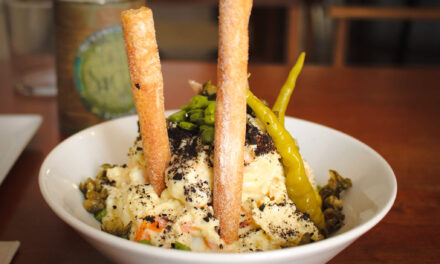
- Mojete Manchego: a simple salad of roasted bell peppers, garlic, small onions, olive oil, black olives, and eggs (slightly reminding me of escalivada).
- Asadillo Manchego is one of my all-time favorite Spanish chickpea dishes. Made with roasted red peppers, tomatoes, garlic, and olive oil, it’s simple, flavorful, and delicious served either warm or cold. You can find the detailed recipe here.

Pin it:

For more Spain travel tips check out my Pinterest board Spain Travel Collection and Flipboard Travel to Spain.

- Accommodation: For short stays, I usually book via Agoda and Booking
- Tours&excursions: My favorites for guided tours are GetYourGuide and Viator
- Museums&attractions: Get mobile tickets for attractions via Tiqets (use ATC5 code for a 5% discount via this link)
- Semi-private & private tours: LivTours is my favorite place for unique & crafted experiences in Europe
- For Foodies: Eatwith is a unique platform for finding culinary experiences with locals around the world
- Audio guides: Book audio excursions & tours in 35+ countries via WeGoTrip
- Flights: Find the best deals with Skyscanner and Kiwi
- Driving in a new country? – Check out Tripiamo guides (do not miss Tripiamo Driving in Spain Guide)
- Train&bus tickets: Currently, I book via Omio (10% off with code ATC10 for first-time customers)
- Car rental: To find the best deals, I use Discover Cars
- Top E-Sim: To avoid roaming fees, I like Holafly (use ATLIFESTYLECROSSROADS for for a 5% discount)
- Shop My Level8 Suitcase: get 15% off with the code ATC15 here
- Internet Security on the road: Connect safely to public Wi-Fi and bypass censorship with NordVPN
- Transfers: For individual transfer services, I like GetTransfer and Kiwitaxi
- Suitcases&Luggage: Discover where to store your luggage on the go with Radical Storage
- Travel Insurance: Find the best trip insurance plans via VisitorsCoverage and EKTA
- Compensation for delayed/canceled flights: Check out AirHelp and Compensair
- Renting Bikes: To find motorcycles, scooters, quads, and bicycles, I use BikesBooking
- Package Tours: Head to CheapOair and Expedia
- For Bloggers: To monetize my blog, I work with Travelpayouts and Stay22
- Website Owners: For hosting services, I work with and recommend Lyrical Host (get 10% off with my code ATC10)




The cheese, honey, and wine sound delicious, and would also make great souvenirs to bring home.
Love this list. Manchego cheese is always a favorite of mine, and migas never disappoints either. Your guide makes the food scene in Castile-La Mancha feel so approachable and delicious — it instantly brings back the urge to plan another food-focused trip.