

Here are the best foods to try in Valencia. After living in the region for over 15 years and being married to a Valencian, I’ve put together the ultimate guide to what we eat here, including some lesser-known regional dishes and local products that I highly recommend trying – beyond the typical tourist favorites.
- This post contains affiliate links from which I earn a commission (at no extra cost to you). For more info, please read my disclosure. As an Amazon Associate, I earn from qualifying purchases.
A Local’s Guide to the Best Things to Eat in Valencia
Classic Dishes from the Valencian Community
While Valencia is globally known as the birthplace of paella, one of Spain’s most famous dishes, the entire Valencian Community – which includes the provinces of Valencia, Castellón, and Alicante – is full of unique foods.
Although some dishes originate in different towns and villages of the Valencian Community – like fideuà from Gandia or arroz al forn from Alicante – they are enjoyed throughout the Valencia region, and you can find excellent restaurants in the city of Valencia serving these specialties.
My husband Carlos is from Valencia, and with so many friends and relatives across the region, I wanted to create a local guide to the dishes we actually eat, giving you an authentic perspective on the best Valencian foods – not just the ones commonly highlighted for tourists.
I also wanted to showcase local products like Valencian wines and cheeses to support regional small businesses, so that beyond enjoying fantastic Valencian dishes, you can also shop for local food souvenirs like a pro.

20 Must-Try Foods in Valencia, Spain
Here are some of the must-try Valencian foods. For some of them, I’ve also included a link to a local recipe so you can recreate these dishes at home after your visit to Spain.
Paella Valenciana
Valencian paella is one of the most popular Spanish dishes across the country. However, as I explained in my post about the best Spanish rice dishes, Valencians get quite upset when every rice dish is called paella. True paella is a traditional rice dish prepared with specific ingredients, including rabbit, chicken, green beans, tomato, saffron, and local olive oil. You can check out Carlos’s family recipe here. It’s a staple at our family gatherings on Sundays and during festivals.
There are many great restaurants to try paella in Valencia; however, the most authentic ones are actually located in Albufera: Arrocería El Rek, Fum De Llum, Casa Baldo 1915, and Flor de Valencia. These places may look humble from the outside, but they use traditional recipes and the freshest local ingredients.


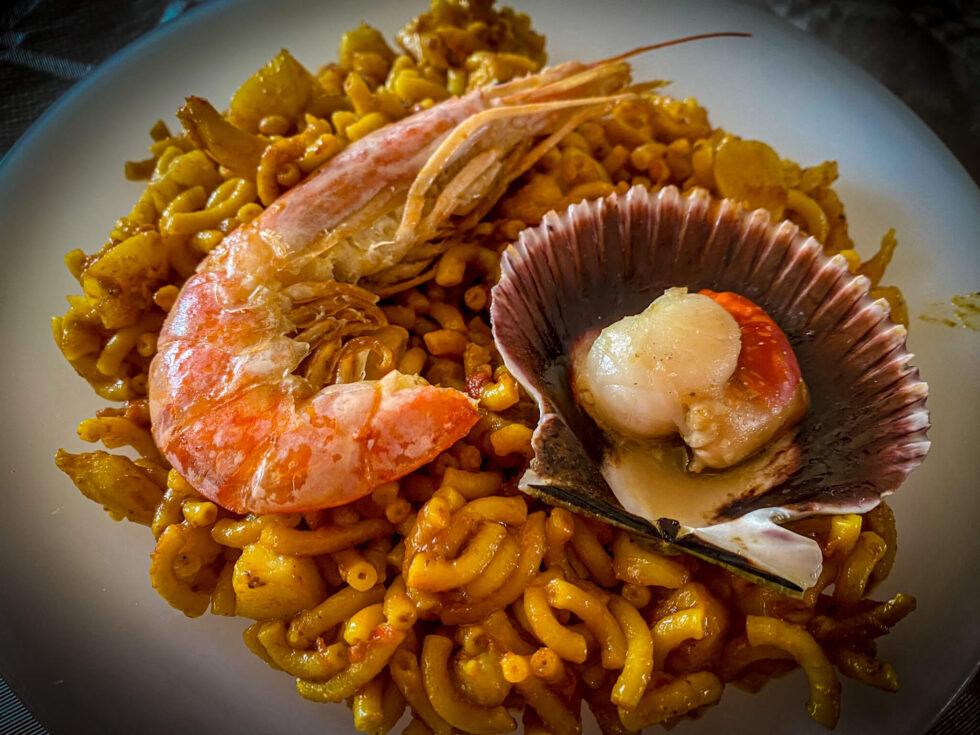
Fideuà
Fideuà is similar to paella but uses short noodles instead of rice and is typically made with seafood. While it is most traditional in Gandia, it’s popular across the entire Valencian Community and throughout Spain. Although it’s cooked in a paella pan, it has a very different feel from paella. In this post, you’ll find our family recipe to make it at home.
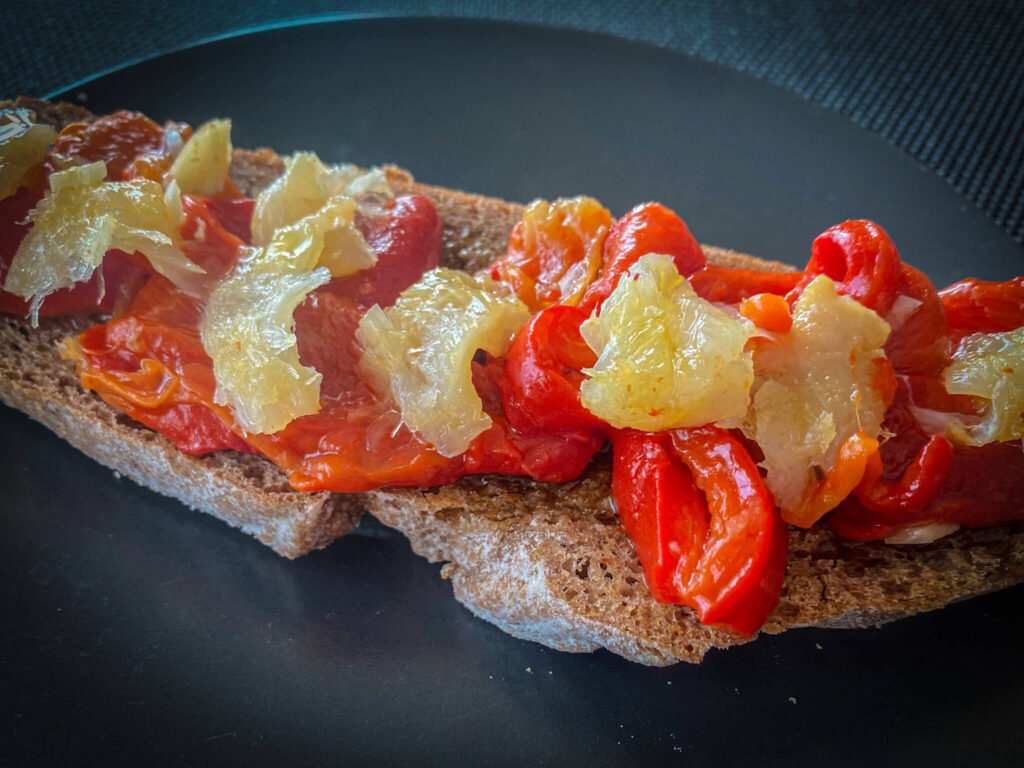
Esgarraet
Esgarraet is a refreshing cold salad made with roasted red peppers, salted cod, garlic, and olive oil. It’s a popular appetizer in Valencian homes and traditional restaurants. Personally, I also love it served on toast. You can find our family recipe here.
Valencian Oranges
Valencia is Europe’s orange capital. Depending on the season, you can enjoy local oranges, freshly squeezed orange juice for breakfast In Valencia, or even an Agua de Valencia, a cocktail made with cava, orange juice, vodka, and gin. Last time I was walking in Valencia, I even got an ice cream flavored with Agua de Valencia right by the cathedral!
A quick tip about seasonality: to ensure you’re tasting authentic Valencian oranges, check the season. Unfortunately, during the off-season, many oranges here are actually imported from Morocco and are often used in cafes and bars because they’re cheaper.

Arroz al Forn
Arroz al Forn is a traditional baked rice dish from Alicante that has gained popularity across the entire Valencian Community. It’s typically made with pork, chickpeas, tomatoes, and sometimes sausages, and develops a golden crust in the oven.
In our Spanish family, it’s a winter favorite, as it’s heartier than traditional paella. You can check out our family recipe in this post.

Horchata & Fartons
Horchata is a refreshing drink made from tiger nuts, often served with sweet pastries called fartons. The most iconic place to try, Horchatería Daniel, is located just outside of Valencia (but they also have a small stand at Valencia’s Central Market).
If you really like horchata, some local supermarkets sell tiger nuts, so you can buy them as a food souvenir and make it at home.

Almussafes & Sobrassada Dishes
Almussafes is a popular Valencian appetizer – sometimes served as a sandwich – made with sobrassada (a traditional cured sausage with a creamy, spreadable texture, similar to a thick pâté). Although the most famous sobrassada in Spain comes from Mallorca, some small villages in Valencia still produce their own artisanal versions in local butcher shops. You can find the detailed Almussafes recipe here.

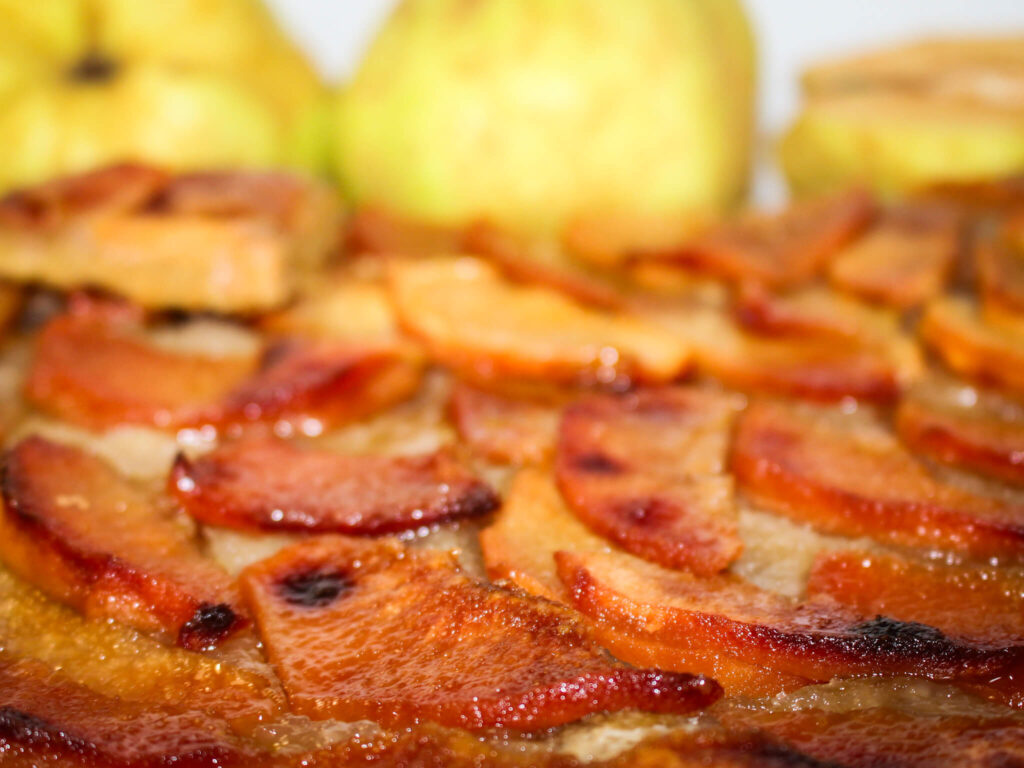
Coca de codony
Coca de codony is one of my Valencian mother-in-law’s signature dishes for our Sunday family gatherings in the fall, when quince is in season. It’s a simple flatbread topped with sliced quinces – one of the easiest Spanish desserts – but I’ve almost never seen it in bakeries. It’s mainly something made in traditional Valencian homes, so it can be hard to find if you’re looking for popular, widely available local foods.
Quince has a long history in Spanish cuisine, especially in the form of membrillo, but I personally prefer quince jam or coca de codony.
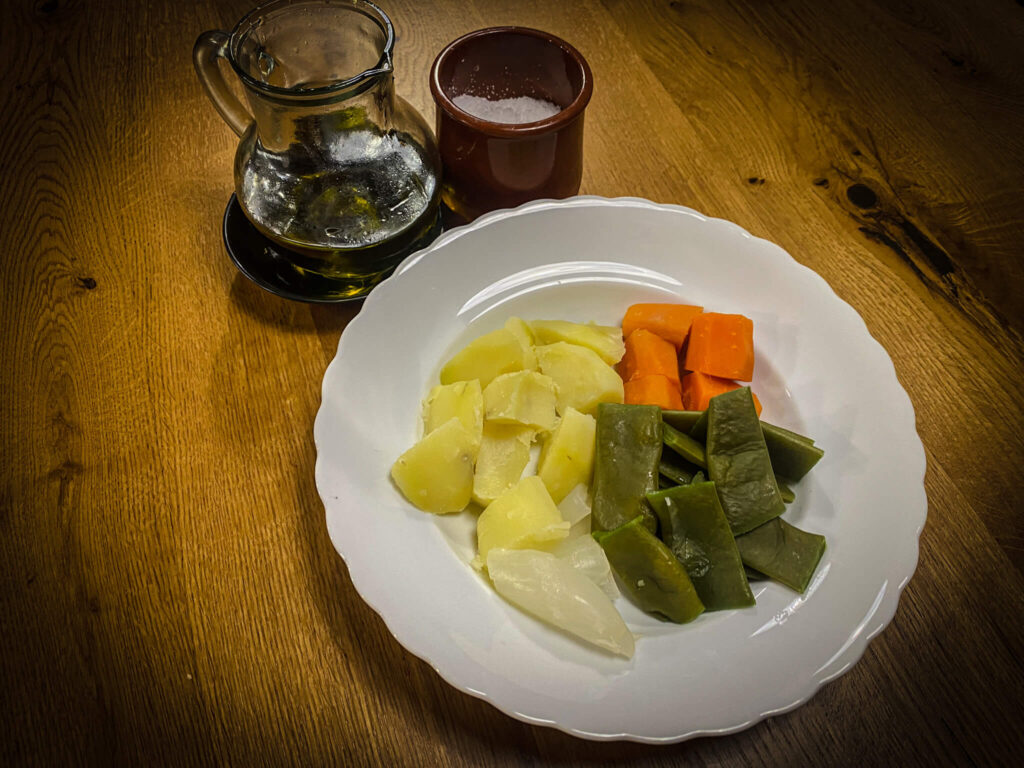
Valencian bullit
A traditional Valencian bullit (known in the rest of Spain as hervido valenciano) is a humble dish made with boiled seasonal vegetables. It originated in the countryside, where people cooked with whatever ingredients they had, and it’s still often enjoyed during winter family meals. Here’s our family recipe so you can make it at home.
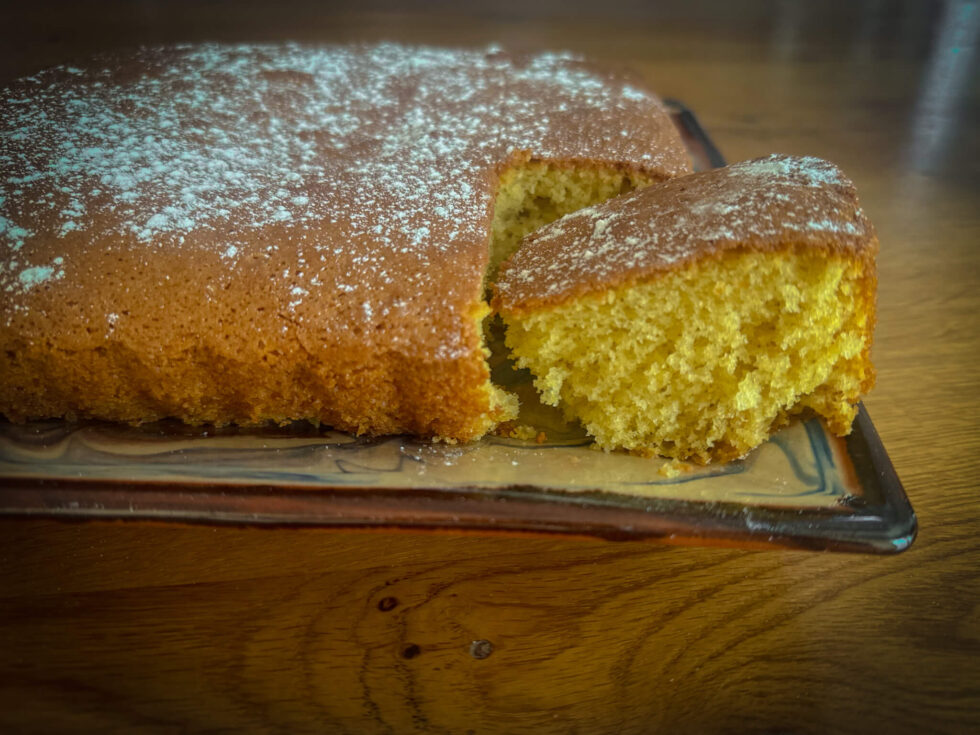
Coca Malfeta
Coca Malfeta is a traditional Valencian sponge cake commonly found in most bakeries, and sometimes it even comes with a chocolate filling. In fact, when my kids celebrate birthdays with their school friends here in Valencia, instead of industrial cakes, we often buy Coca Malfeta con chocolate from a local bakery. It’s always a hit, thanks to its simple, biscuit-like texture that wins over both adults and children. You can check out the recipe to make it at home here.
Another treat with a similar texture is madalenas (similar to cupcakes), which we also love making at home – or picking up from local pastry shops in Valencia.
All i pebre
All i pebre literally means “garlic and pepper” in Valencian. It’s a traditional stew made mainly with local eel (anguila), cooked in a rich sauce of garlic, and paprika.
The dish originated in the wetlands and river areas around the Albufera lagoon, a popular day-trip destination from Valencia. However, all i pebre isn’t as widely eaten across the entire Valencian Community as some other dishes, so you’ll mostly find it in the city of Valencia or in restaurants around the Albufera.
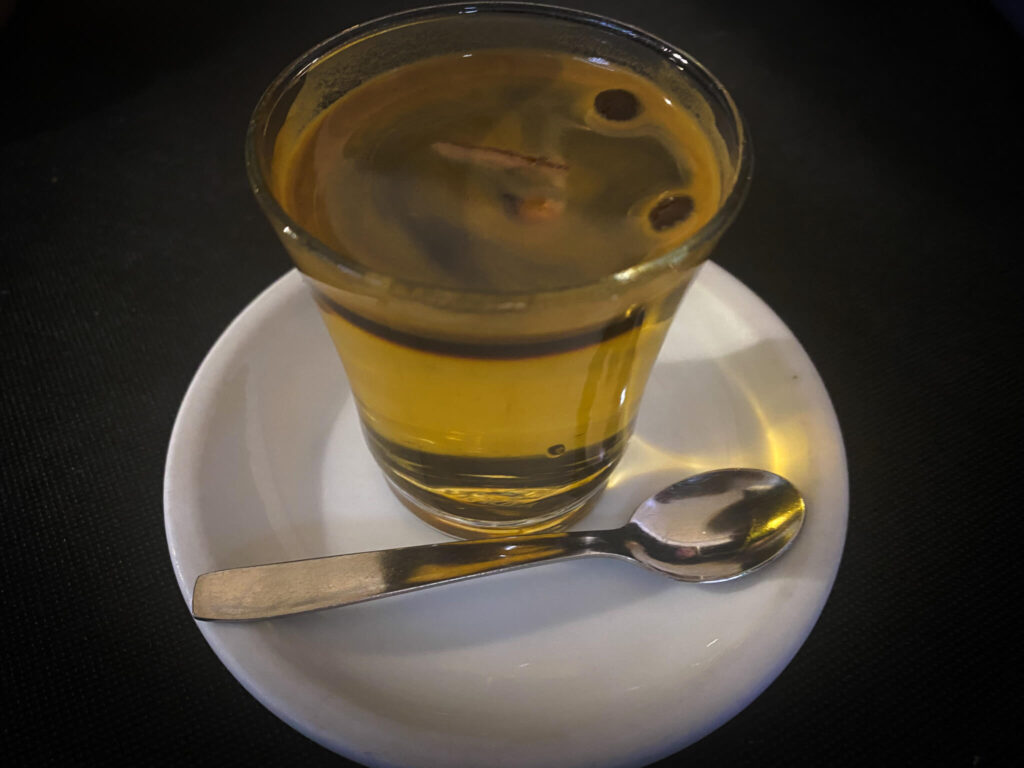
Esmorzaret + Carajillo
Esmorzaret (or almuerzo Valenciano in Spanish) is one of the most unique and traditional culinary experiences in the Valencia region. It’s a hearty mid-morning snack that you won’t find in most of Spain, rooted in countryside traditions where local men heading to the fields needed a substantial breakfast. Today, it has evolved into a social ritual to enjoy with friends.
An esmorzaret typically includes a large sandwich or a selection of tapas, often accompanied by small snacks like olives and peanuts. For drinks, locals usually enjoy vino con gaseosa (wine with soda), and many finish with a coffee or a carajillo, a traditional Valencian coffee drink with rum. You can read more about Valencian almuerzo culture in this post.
When it comes to the sandwiches most typical during almuerzo in Valencia, the classics are chivito, la brascada, and blanco y negro.


Espencat
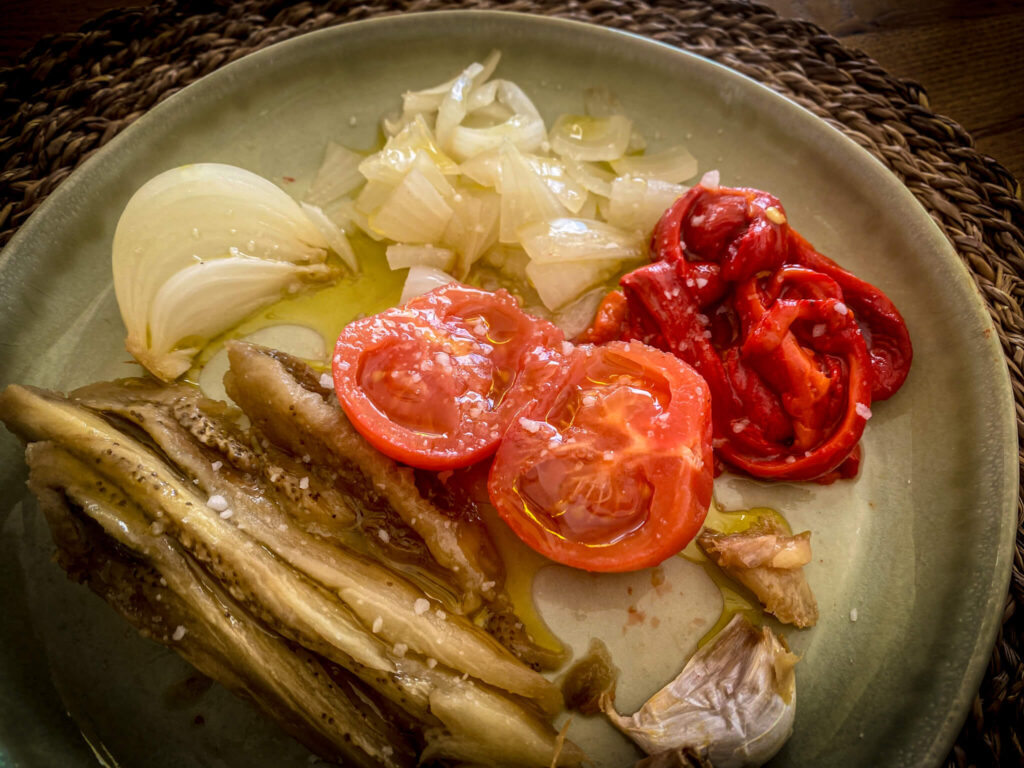
Espencat (sometimes found online as aspencat) is a traditional Valencian vegetable dish, often considered a type of salad. It’s typically made with roasted red peppers, tomatoes, garlic, and olive oil, and is similar to the Catalan escalivada. The name espencat comes from the Valencian word for “split” or “crushed,” referring to the way the vegetables are gently mashed together.
Arroz a Banda
Arroz a Banda is one of Spain’s lesser-known rice dishes for international travelers, but it’s absolutely worth trying. This traditional Valencian seafood rice is cooked in a rich fish broth and is sometimes served with potatoes – a variation more common in Castellón than in Valencia, but personally my favorite.
It’s a flavorful and unique dish to enjoy in Valencia, but keep in mind that some restaurants require advance booking. Since arroz a banda takes time to prepare, you’ll might need to call ahead, reserve a table, and let the restaurant know you’ll be ordering it so everything is ready.
A few popular places to try it include El Trompo, El Paeller Valencia, and Alqueria del Pou in Valencia. However, the best arroz a banda I’ve ever had was at Mediterráneo in Castellón, where it comes served with potatoes – the version I personally love most.
Buñuelos de Calabaza & Pastissets de cabello de ángel
Buñuelos de Calabaza are pumpkin fritters that are especially popular in Valencia during the famous Las Fallas celebrations. Nowadays, you can also find them year-round in many traditional Valencian bakeries. They are sweet, light, and fluffy, with a delicate dusting of sugar.
Pastissets de cabello de ángel, made with a translucent, thread-like jam from Siam pumpkin (which you can also buy canned in Spain for use at home). These treats are delicate, so they can break easily.


Valencian Artichokes
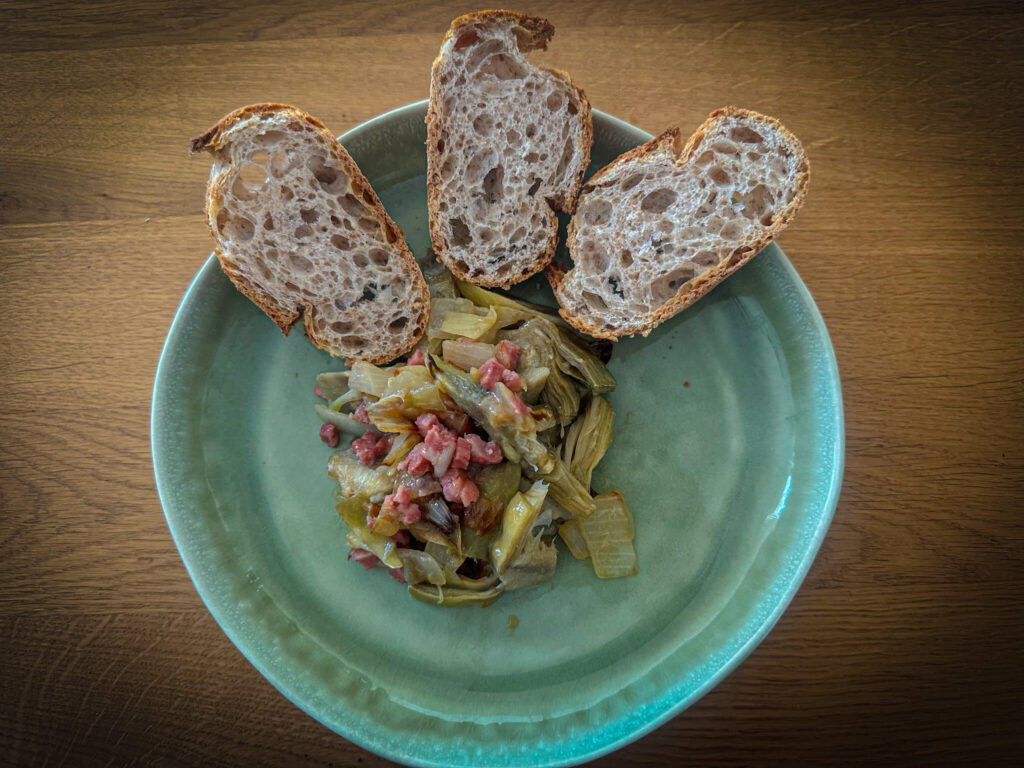
While artichoke dishes are commonly featured among popular Spanish tapas, in Valencia they hold an even more special place. The region is home to the town of Benicarló, famous for its artichoke fields and centuries-old culinary traditions. Artichokes are often sautéed with ham or included in stews.
If you’re a true artichoke lover, you shouldn’t miss the festival Festa de la Carxofa in Benicarló. You can read more about my visit in this post.


Mojama
Mojama is cured tuna, typically sliced thin and served with a drizzle of olive oil – its a traditional tapa in Valencia. The curing process intensifies the flavor of the tuna, giving it a rich, savory taste that pairs perfectly with a glass of Spanish wine or beer.
Valencian Wines
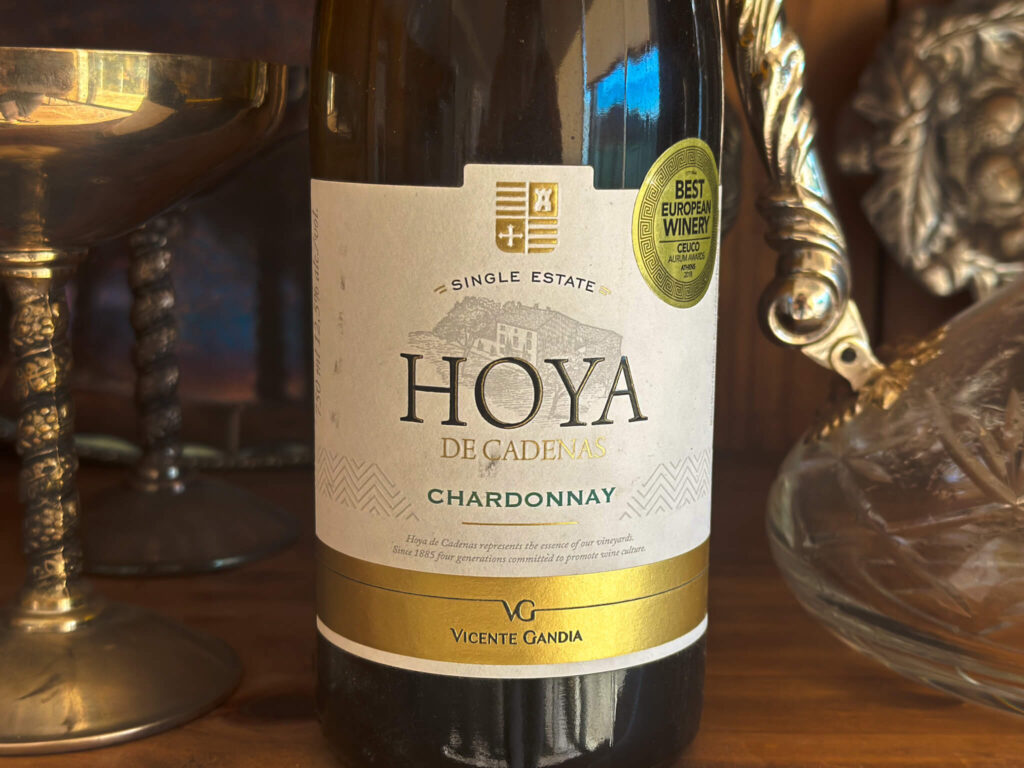
While Valencia may not be as globally famous for its wines as other Spanish regions, like Rioja or Ribera del Duero, it still produces some excellent options. The town of Requena is a must-visit on any Valencia road trip, with notable wineries such as Murviedro, Pago de Tharsys, and Vicente Gandia – the latter being one of the larger producers, offering red, white, and sparkling wines. Nearby Alicante is also home to popular wineries like Pepe Mendoza and Bocopa.
When visiting Valencia, you can enjoy these local wines in restaurants throughout the region or take a few bottles home as food souvenirs.
Turron
Turrón is one of the most iconic sweets to bring from Spain and is popular throughout the country. The most authentic variety comes from the village of Jijona in Alicante, and the region is also home to some of the biggest commercial brands – like El Lobo, Pico, and Turrones 1880 – which are widely available in supermarkets across Valencia.
Turrón-making is a deeply rooted tradition throughout the Valencian Community, with many villages producing their own artisanal versions. In Valencia, you can find Turrones Galiana (C. Sant Vicent Mártir 45) and Turrones Ramos (C. de la Sombrereria 11). Another excellent option is Turrones Agut de Benlloc from Castellón. Although this artisan brand doesn’t have a shop in Valencia, they often set up stands at Christmas markets or medieval fairs across the region.
The peak season for turrón in Spain runs from late October to the end of January, when you’ll find the widest variety of brands. Most local Valencian producers are not easy to find in supermarkets, where larger commercial brands dominate the shelves. However, smaller, traditional Valencian turrón makers can often be found at festive markets and fairs.
For more ideas on must-try and must-buy Spanish sweets, check out this detailed guide.


Local Cheeses in Valencia
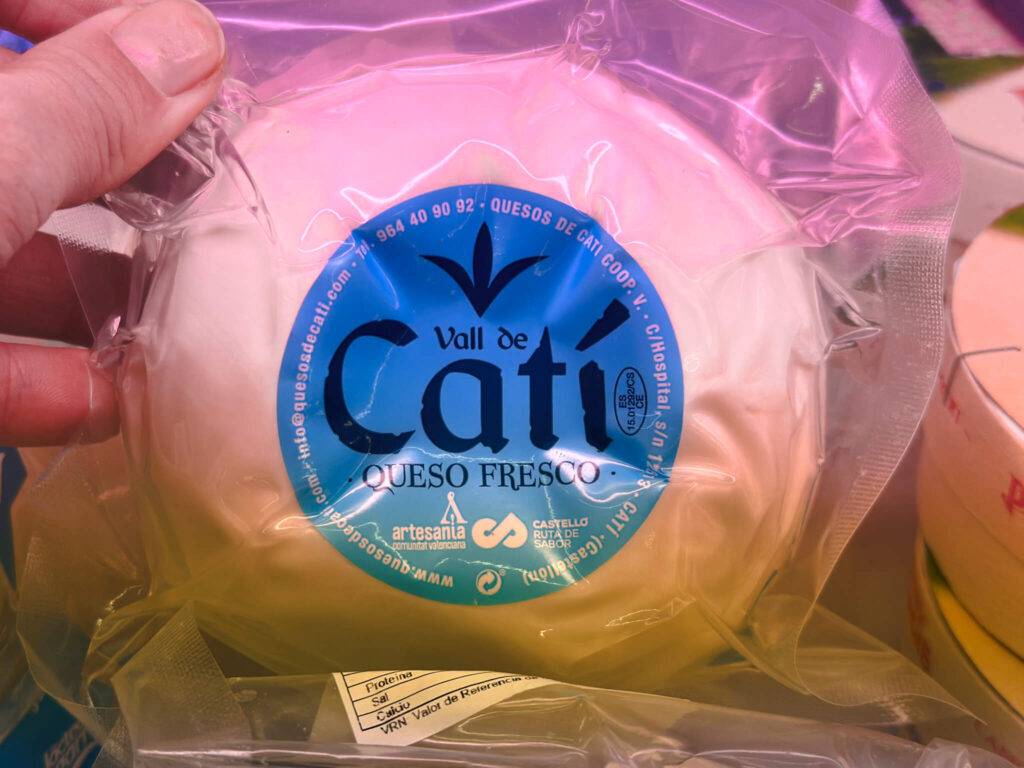
Valencia has incredible cheeses, such as Joya de la Iglesia in Requena, Granja El Parral in Xàtiva,Cati in Castellón, and truffled cheeses in Morella. Cati cheeses are the easiest to find, even in local supermarkets, while the others are best sourced from local markets in Valencia (like Mercado Central, Mercado Colón, or Mercado De Ruzafa) or specialty cheese shops (queserías).
You can simply visit one of the local markets and ask for “quesos de la Comunidad Valenciana”, as they may have a few other regional cheeses I haven’t mentioned. Also, you can find my detailed guide to Spanish cheeses in this post.
Valencia Tips I Wish Every Visitor Knew
After more than 15 years of living in the Valencia region, I’ve learned that some of the most useful travel advice is also the most practical. In my Valencia Q&A video below, I answer common questions and share tips that can make planning your trip much easier.
Explore more about Spanish food:
- Best Spanish Tapas and How to Make Them at Home (read it)
- Best Local Food Experiences in Spain Not To Miss (read it)
- Top Foods in the Pyrenees of Spain (read it)
- My Amazing Spanish Cooking Class in Madrid (read it)
- Family, Countryside, and Cooking The Traditional Paella (read it)
- Visiting Basque Cider House near San Sebastian (read it)
- Spanish Eating Habits: Almuerzo in Valencia (read it)
- Traditional Spanish Food in Local Villages: Part 1 (read it)
- An Amazing Artichoke Tasting Menu in Benicarlo (read it)
- Gastronomic Weeks in Spain: A Hazelnut Menu (read it)
- 44 Famous Spanish Dishes You Can’t Miss (read it)
- 5 Best Traditional Spanish Rice Recipes To Try (read it)
- 10+ Best Local Food Souvenirs from Spain (read it)
Pin it:

For more Spain travel tips check out my Pinterest board Spain Travel Collectionand Flipboard Travel to Spain.

- Accommodation: For short stays, I usually book via Agoda and Booking
- Tours&excursions: My favorites for guided tours are GetYourGuide and Viator
- Museums&attractions: Get mobile tickets for attractions via Tiqets (use ATC5 code for a 5% discount via this link)
- Semi-private & private tours: LivTours is my favorite place for unique & crafted experiences in Europe
- For Foodies: Eatwith is a unique platform for finding culinary experiences with locals around the world
- Audio guides: Book audio excursions & tours in 35+ countries via WeGoTrip
- Flights: Find the best deals with Skyscanner and Kiwi
- Driving in a new country? – Check out Tripiamo guides (do not miss Tripiamo Driving in Spain Guide)
- Train&bus tickets: Currently, I book via Omio (10% off with code ATC10 for first-time customers)
- Car rental: To find the best deals, I use Discover Cars
- Top E-Sim: To avoid roaming fees, I like Holafly (use ATLIFESTYLECROSSROADS for for a 5% discount)
- Shop My Level8 Suitcase: get 15% off with the code ATC15 here
- Internet Security on the road: Connect safely to public Wi-Fi and bypass censorship with NordVPN
- Transfers: For individual transfer services, I like GetTransfer and Kiwitaxi
- Suitcases&Luggage: Discover where to store your luggage on the go with Radical Storage
- Travel Insurance: Find the best trip insurance plans via VisitorsCoverage and EKTA
- Compensation for delayed/canceled flights: Check out AirHelp and Compensair
- Renting Bikes: To find motorcycles, scooters, quads, and bicycles, I use BikesBooking
- Package Tours: Head to CheapOair and Expedia
- For Bloggers: To monetize my blog, I work with Travelpayouts and Stay22
- Website Owners: For hosting services, I work with and recommend Lyrical Host (get 10% off with my code ATC10)


Great post. I did not know about most of these!! This looks delicious.