
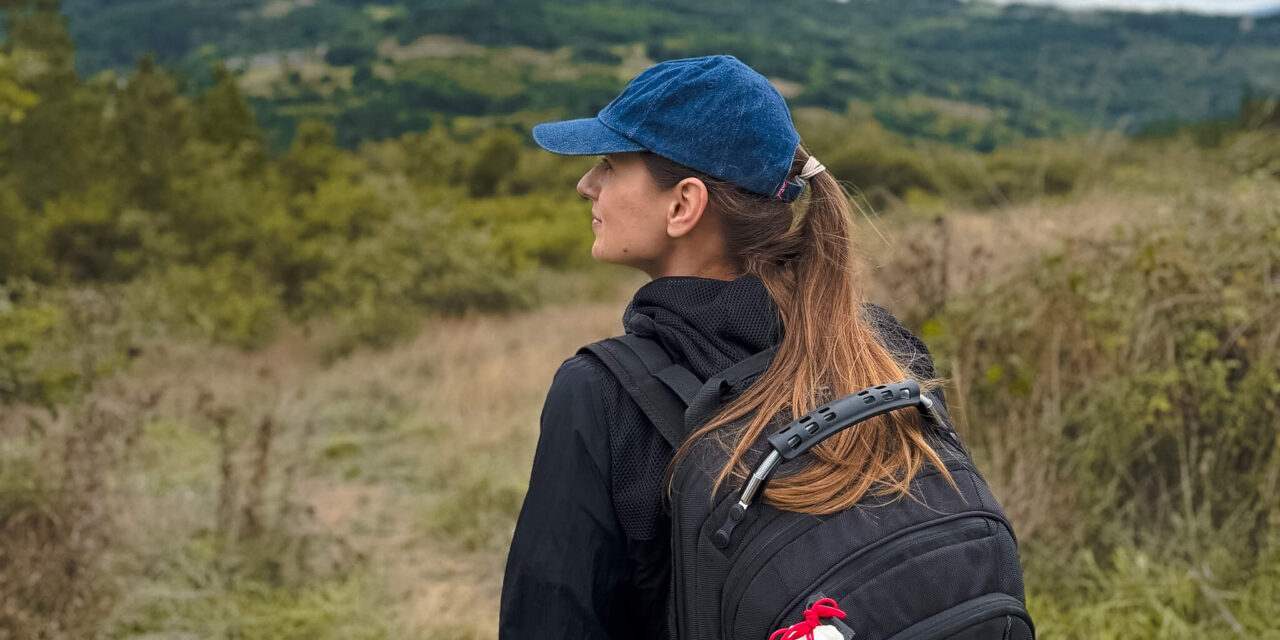
Planning to walk the Camino Frances for the first time? Here are all my tips and recommendations from my recent walk from Sarria to Santiago to help you make the most of this memorable experience!
- This post contains affiliate links from which I earn a commission (at no extra cost to you). For more info, please read my disclosure. As an Amazon Associate, I earn from qualifying purchases.
Camino Frances for Beginners: The Ultimate Guide to Walking Your First Camino
My First Camino Frances (from Sarria to Santiago)
The Camino Frances, also known as the French Way, is one of the most famous routes of the Camino de Santiago, or the Way of Saint James. It is also one of the bucket-list experiences that draws travelers to northern Spain.
Walking the Camino Frances from Sarria to Santiago de Compostela is a special experience, and I feel incredibly lucky to have shared it with my parents. I had been dreaming about this trip for years, and it was our first time walking the Camino for all three of us. While we had prepared for the journey, we still learned quite a few things along the way.
My husband had also walked this very same route with his father a few years ago, when his father was in his late 70s. Unfortunately, they missed out on a few things, including receiving the Compostela certificate and visiting Santiago Cathedral. Knowing about their experience helped me plan our own first Camino more carefully and avoid some of the same mistakes.
Now that our journey is behind us, I am happy to say that everything worked out wonderfully. I wanted to share all the details with anyone planning to walk the Camino for the first time because, as exciting as it is, there are plenty of questions that come up when you start organizing your trip.
From booking accommodation and choosing the right footwear to deciding how much water to carry and finding a balance between solitude and socializing, there are plenty of little details that can make your Camino experience easier.
We walked the final 100 km of the Camino Frances in mid-September, staying in small hotels and using a luggage transfer service rather than carrying everything on our backs. This approach worked well for us, especially as my parents preferred private rooms and bathrooms over the shared facilities in pilgrim hostels.
Here are my practical tips and recommendations for anyone planning to walk the Camino Frances for the first time, whether you are traveling solo, with friends, or with family.
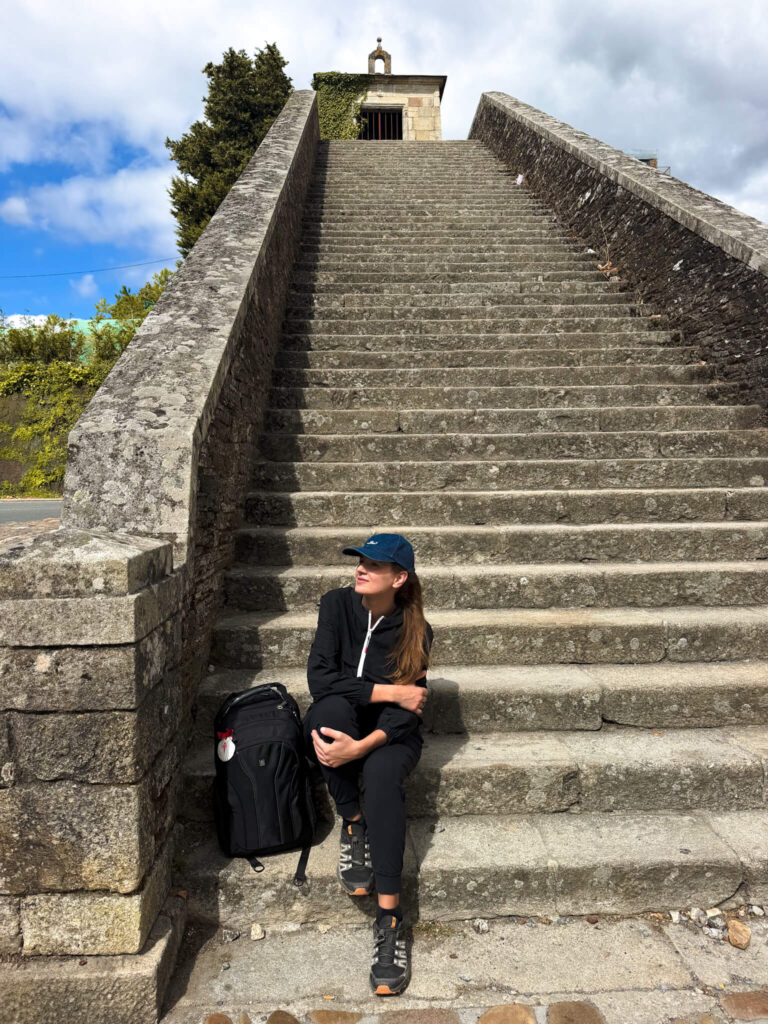
Essential Tips & What You Need to Know About Walking the Camino Frances for the First Time
1. Book Your Accommodation in Advance or Go with the Flow?
There are two main approaches to planning accommodation on the Camino: booking everything in advance or reserving only your first night and deciding where to stay as you go.
Both have their advantages, but I would choose differently depending on your travel style, the time of year, and the type of accommodation you prefer.
Book in advance if you prefer hotels
If you plan to stay in hotels or private rooms rather than albergues/hostels, I recommend booking your accommodation at least a few months ahead, especially during the busier months. Whenever possible, prioritize places with free cancellation so you can adjust your itinerary if needed.
We walked in mid-September, which I expected to be quieter than August, but finding accommodation was still surprisingly difficult, even though we booked everything 2 months in advance. We couldn’t find anything available in O Pedrouzo (Day 4), and the same happened in Melide (Day 3) when we were considering splitting the third, longest day into two shorter stages. We were still debating what to do, but with no suitable accommodation available, the decision was practically made for us: we had to walk the full stage to Arzúa. At the same time, I saw that on Booking.com most small hotels offered free cancellation, so next time I’ll book further in advance to secure the accommodation I like.
We booked almost everything through Booking.com because I prefer having all my reservations in one place and appreciate the extra layer of protection. However, our first hotel in Sarria was not listed on the platform, so we booked directly through its website. Unfortunately, by the time we arrived in Sarria, we discovered that our reservation had been canceled. The hotel had emailed me about the cancellation, but I had missed the message. In fairness, I should have checked my emails more carefully, although I also felt the hotel could have called to make sure we had received the information.
Luckily, we managed to find another lovely hotel after arriving in Sarria, so everything worked out in the end. You can check out the list of hotels where we stayed, with my honest impressions, in this post.
Go with the flow if you prefer albergues
Another popular approach is to book only your first night in Sarria and let the rest of the Camino unfold naturally. This gives you more freedom to stop when you feel tired, spend extra time in a village you love, or change your plans along the way.
However, this approach works best if you are comfortable staying in pilgrim hostels, or albergues, and are happy to be flexible about where you sleep. If you are planning to stay in albergues/hostels, it is worth knowing the difference between private and municipal accommodation. Private albergues often accept reservations, while municipal albergues generally operate on a first-come, first-served basis.
You may need to start walking early to reach a municipal albergue before it fills up, particularly during busy periods.
It was not the right option for us. My parents felt they were past the stage of sharing bathrooms and sleeping in hostels, and after spending a whole day walking, we wanted somewhere comfortable to recharge.
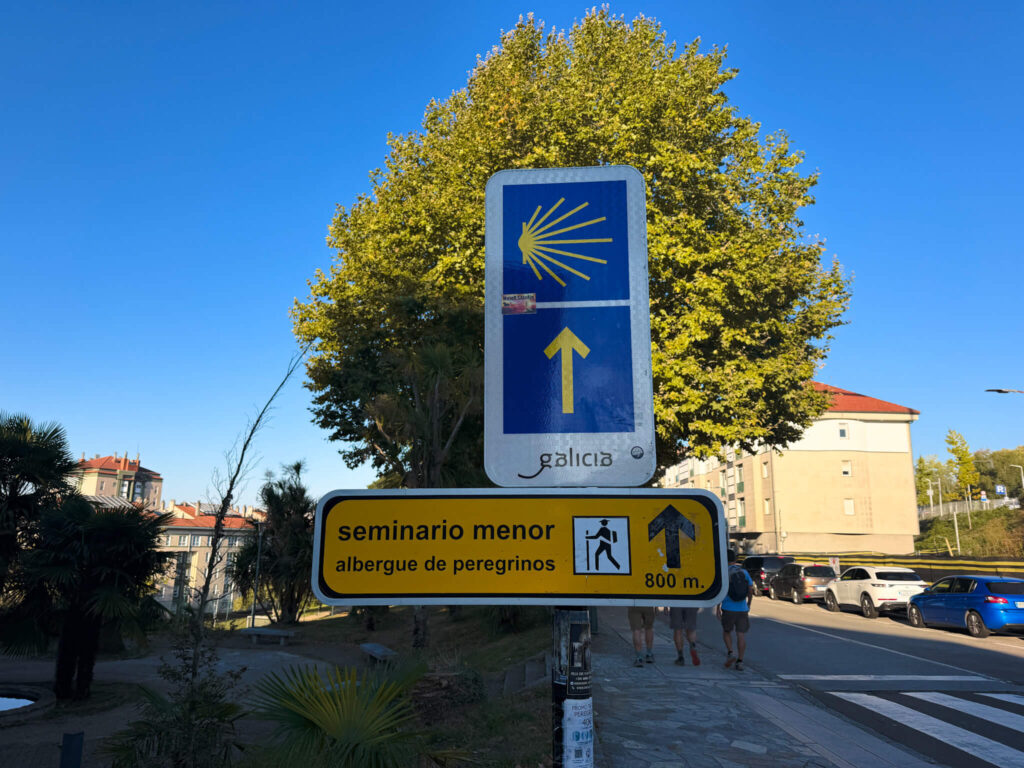
Hotels vs Albergues along El Camino
I initially said that this time I would stay in hotels and test the albergue/hostel option on my next solo Camino. But to be honest, after this first time walking the Camino Francés, especially when traveling in a group, I am quite hesitant.
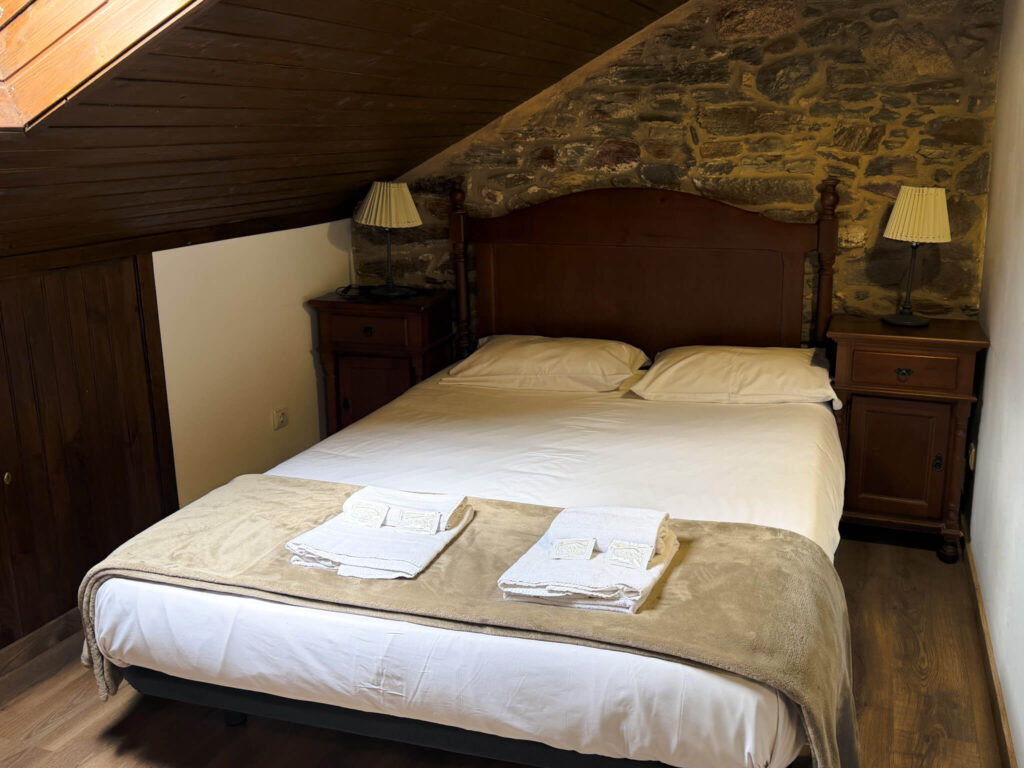
First of all, since most of the hotels along the Camino are small rural accommodations, the beds were not the most comfortable. As I’ve also shared the data from my Ultrahuman Ring, my sleep overall was way worse than I thought it would be after such an exhausting walk. Every hotel we stayed in was somehow hot at night – it was as if it heated up during the day because we had really sunny weather. I understand that with the cooler climate in northern Spain, heat might not normally be the problem, but it was not entirely comfortable at night.
For a group of 3, a hotel room along the Camino costs around 100–150 euros, which is still more expensive than a bed in a hostel, but when traveling in a group it isn’t as expensive as traveling solo. So I’m honestly unsure whether on my next Camino I’ll just travel with someone to split the hotel costs, or decide to go for the hostels.
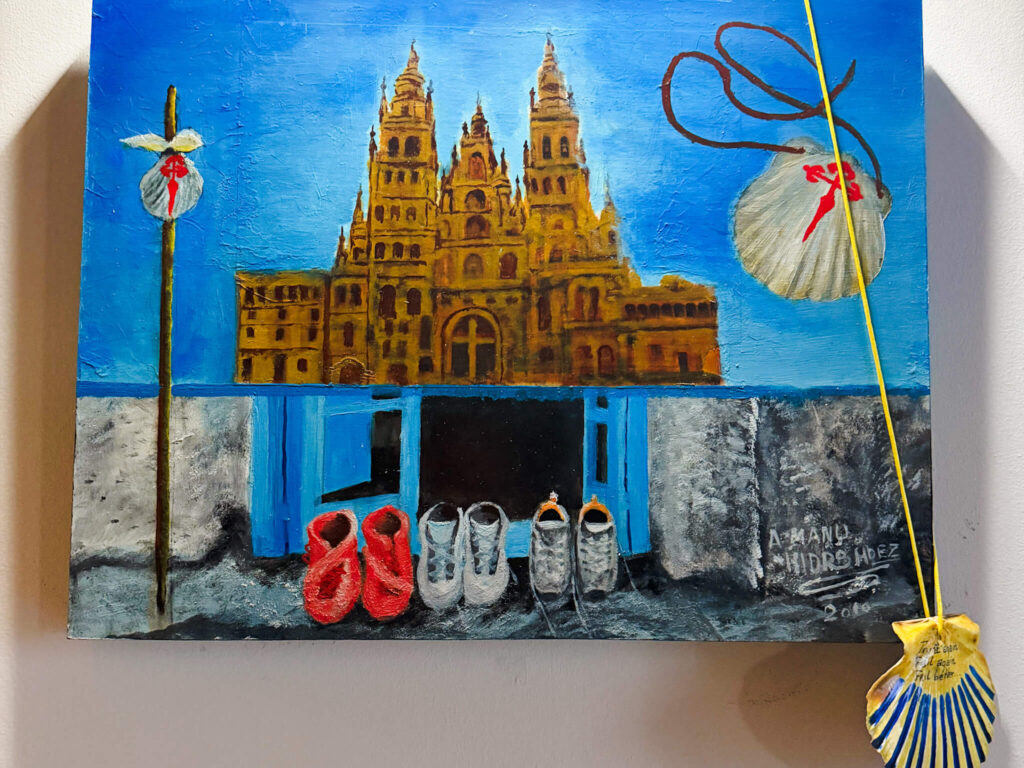
2. Start Your Days Early (Even If You Did Not Plan To)
One of the funny things about our first Camino experience was how our morning routine changed as the days went by.
In my YouTube video, I mentioned that we initially planned to start walking around 8:30 – 9:00 am. However, we gradually found ourselves waking up earlier and earlier, even though we did not need to rush to secure a bed in a municipal albergue.
And honestly, I began to understand why so many pilgrims like starting early.
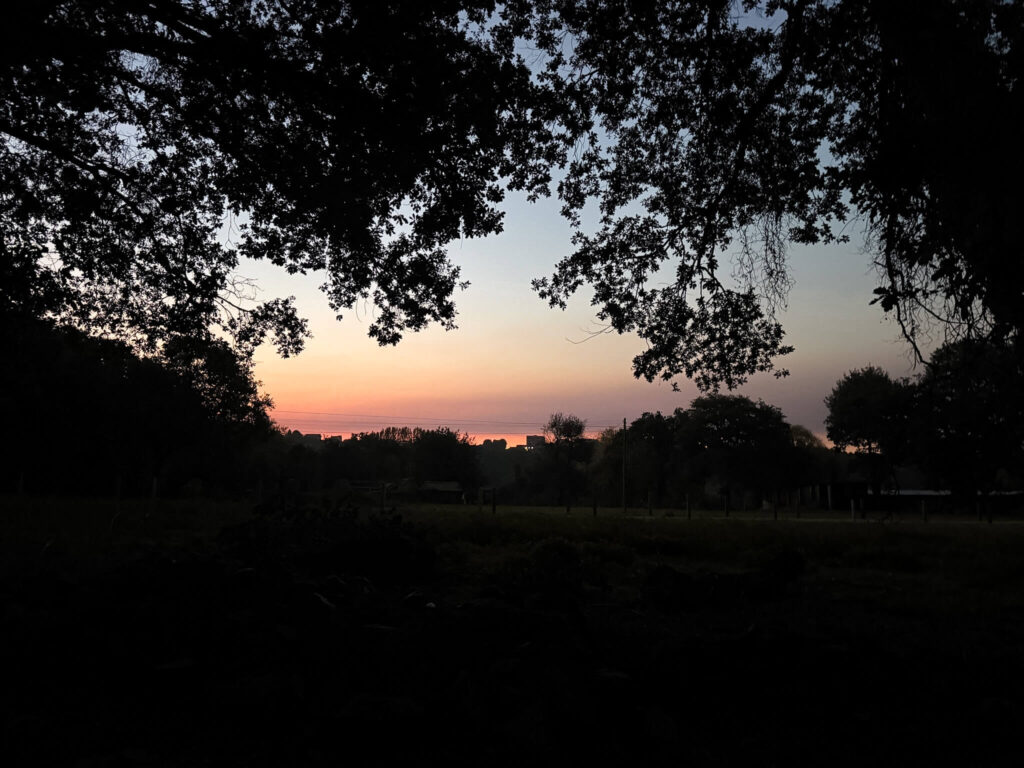
Walking through the Galician countryside in the early morning was much more pleasant than being out in the sun later in the day. The temperatures were generally comfortable, the paths felt peaceful, and there was something special about watching the landscape wake up around us.
Since we had booked our accommodation in advance, we could take our time along the way. We stopped for coffee, lunch, and snacks in the cafes and bars along the route rather than rushing to reach our destination as early as possible. We usually arrived at our accommodation at around 3 pm.
Of course, the ideal starting time depends on the season, the weather, your daily distance, and whether you need to reach a particular albergue before it fills up. But even if you are not naturally an early riser, you might find yourself appreciating those morning walks more than you expect.
3. Be Prepared for Crowds, but Do Not Let Them Put You Off
Before walking from Sarria to Santiago, I knew this was one of the most popular sections of the Camino Frances. Still, I honestly did not expect to see so many other pilgrims in mid-September.
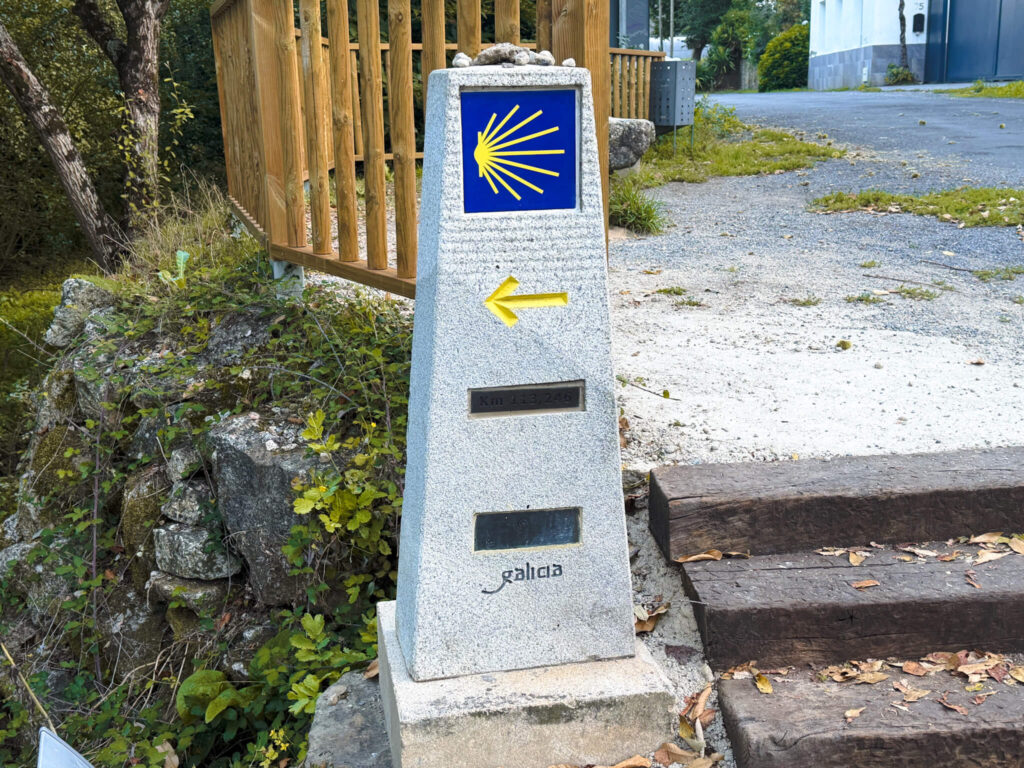
The final 100 km are particularly popular because they meet the minimum distance requirement for receiving the Compostela, the certificate given to pilgrims who complete the qualifying journey to Santiago on foot. As a result, this stretch attracts people who might not have the time or opportunity to walk the entire Camino Francés, or first-timers curious about the experience but not sure if they are in the physical or mental condition to commit to a whole month on the Camino. From conversations and small talk, I got the impression that most of the people around us were also doing their first Camino.
You will encounter plenty of other walkers, especially around popular starting points, villages, cafes, and accommodation.
On the positive side, the popularity of this route means that the infrastructure is well developed. There are frequent places to eat, buy supplies, refill your provisions, and stop for a break. You are rarely far from a village or a cafe, which makes the route relatively accessible for first-time pilgrims.
At the same time, quite surprisingly, despite the number of people walking it, I still found the experience peaceful and grounding enough.
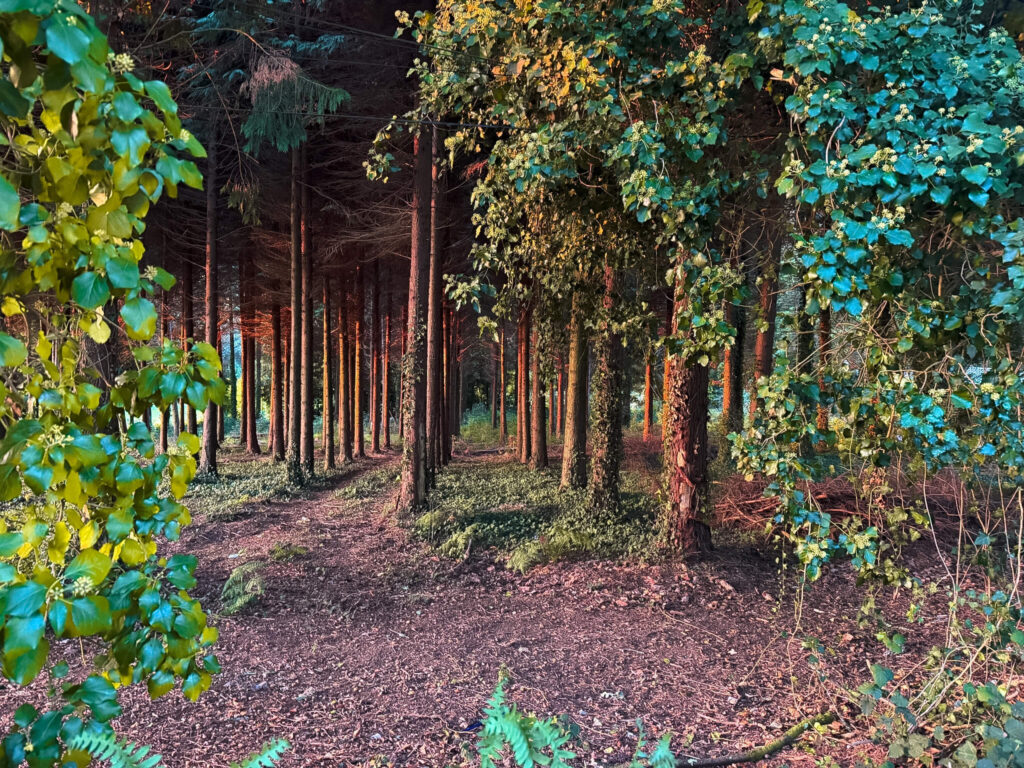
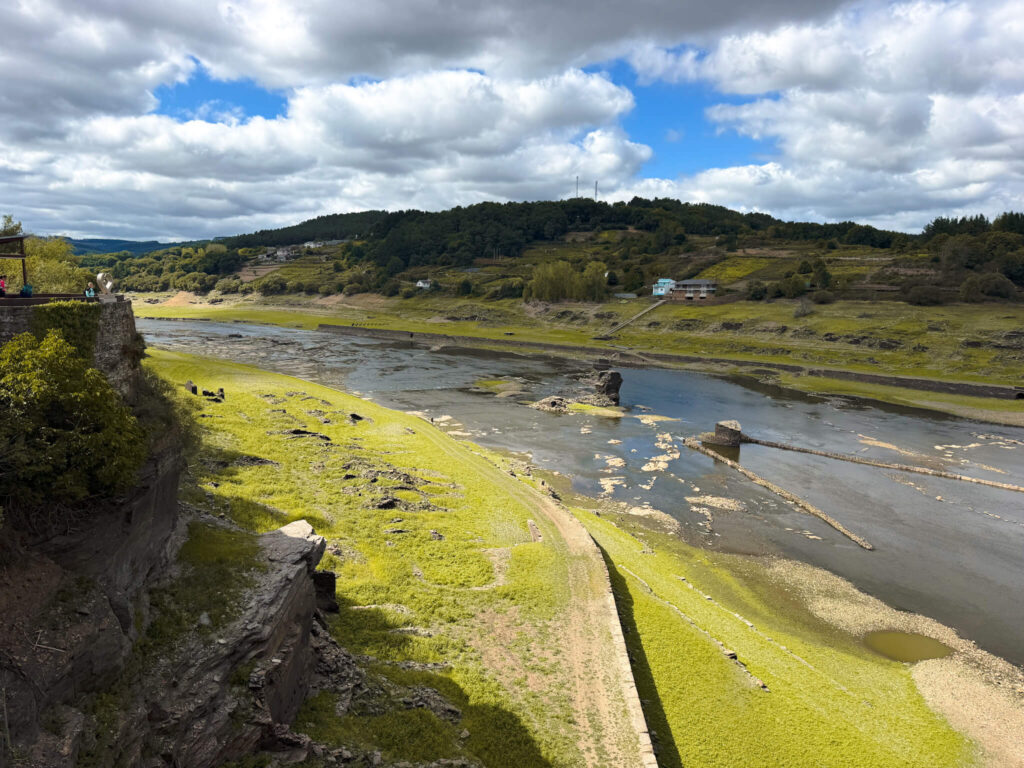
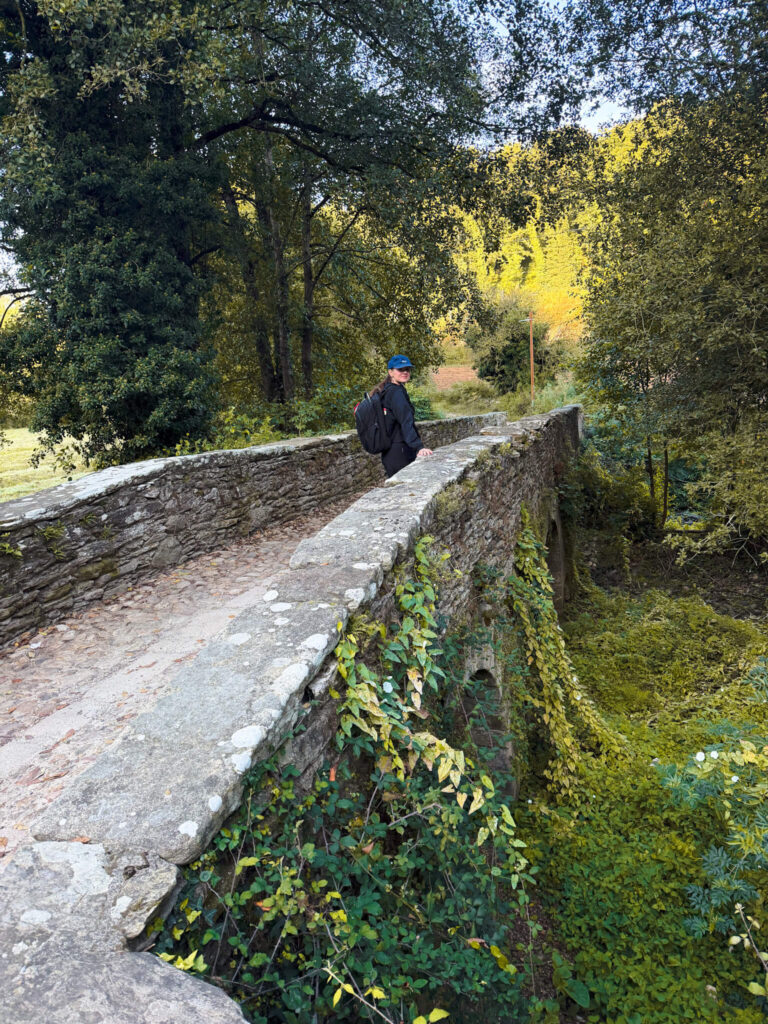
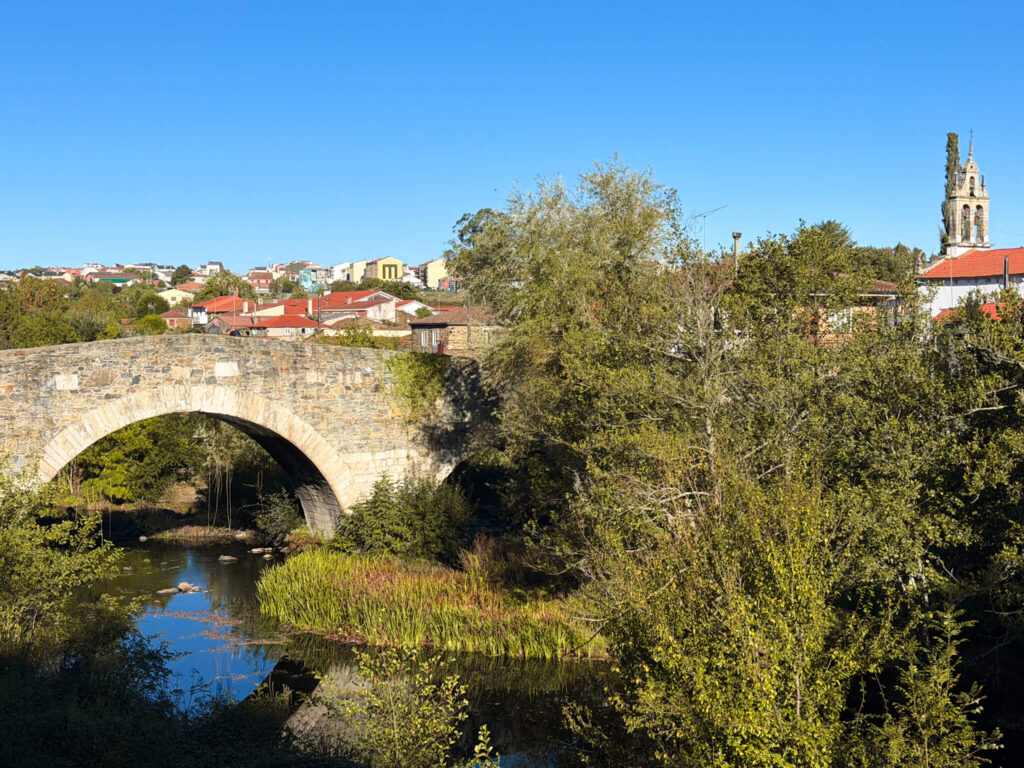
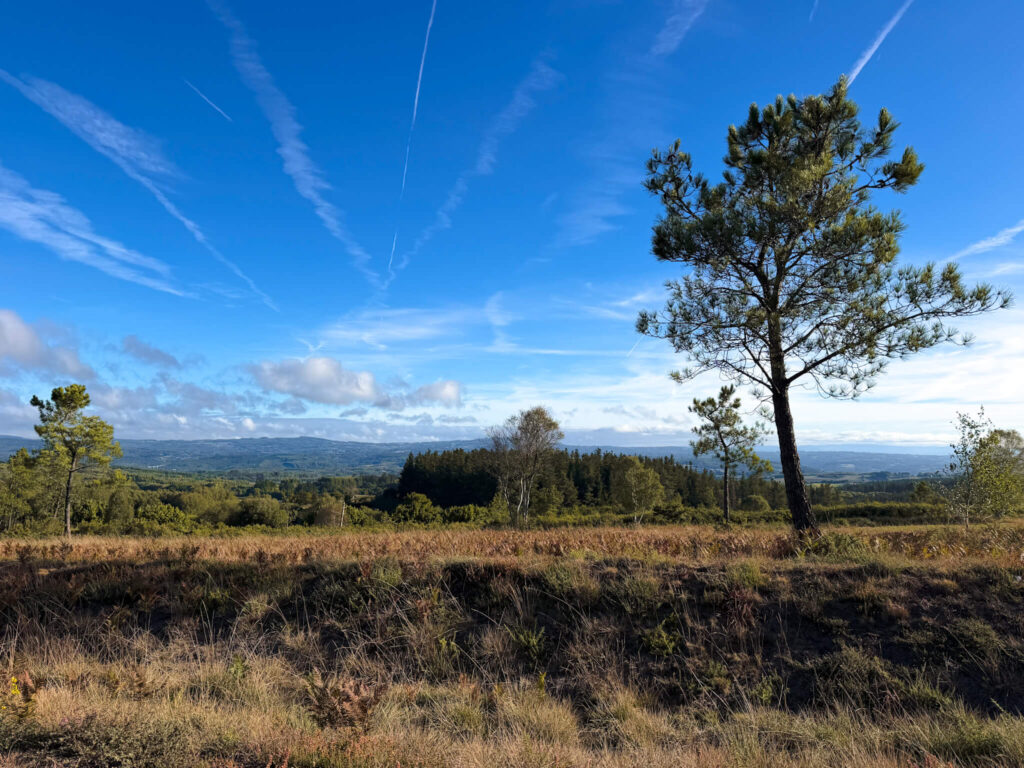
Much of the route takes you through Galician forests, farmland, small villages, and beautiful green countryside. There are moments when you can simply focus on your own steps, listen to the sounds around you, and enjoy being away from your usual routine.
If you are specifically looking for complete solitude, this Sarria to Santiago stretch might not be the best section of the Camino to choose. Yet, I find that it is so popular for first-timers for a reason – it is well marked and has the best infrastructure to test this first-time Camino experience.
While most locals do not speak English, in cafés and hostels they still speak the basics, which is much more common than along other Camino trails. Most of the travelers we met along the Camino were speaking English, so I’d say overall locals are quite used to international pilgrims.
4. Footwear & Gear: Choose What Works for You
One of the most important lessons I learned from walking the Camino Francés for the first time is that your footwear choice should be based on your own experience and the weather forecast – not on fancy gear or what other pilgrims recommend.
Prioritize comfortable, well-tested shoes
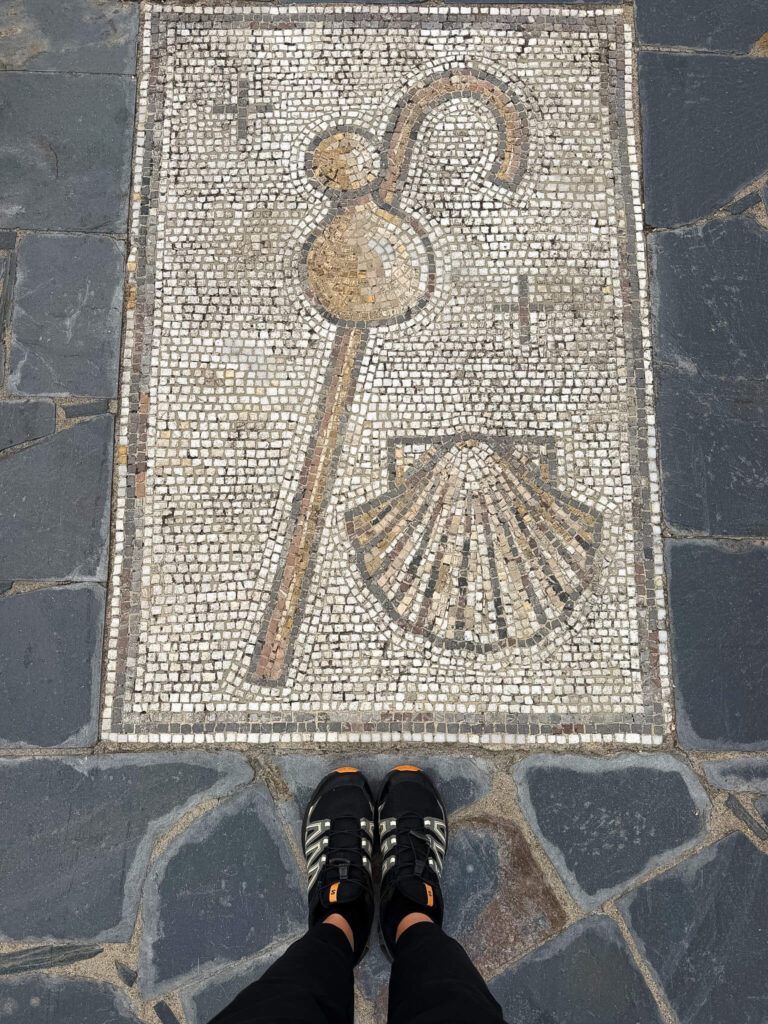
My parents brought hiking boots, while I decided to walk in my Salomon trail-running shoes, which I had already used on numerous hiking trips in the Pyrenees.
We were lucky to have very little rain during our Camino, so I was happy with my decision. My shoes were lightweight, comfortable, and familiar.
I would not dismiss hiking boots completely, though. If you expect heavy rain, muddy paths, or conditions where you need more protection and support, they might be a good choice. Some pilgrims also recommend switching between shoes and boots to help avoid blisters. I personally avoid boots whenever I can – I love something lightweight – and since the weather was good, I did not regret my choice for a second. My parents brought boots just in case, but ended up not using them at all.
As for the trekking/hiking socks that everyone says are mandatory for the Camino: my parents brought theirs, but I opted for the normal socks I usually wear – nothing fancy or special – and I haven’t regretted it either. My husband also went with normal socks. So I’d say this one is subjective: if you normally like trekking socks, bring a pair; if you want to buy them specifically for the Camino, it is essential to test them with your shoes before you go. Do not make these kinds of first-time experiments along the Camino – it will almost certainly lead to blisters. Go with the shoes and socks you normally like to wear for hiking.
Expect blisters, and prepare for them
Foot pain and blisters are almost unavoidable among Camino pilgrims, although everyone’s experience is different.
I was fortunate and barely had any problems. On the second day, as I was walking, I felt a sudden cramp in my left big toe, which felt like muscle tension but luckily disappeared after stretching. I also felt a spot on my foot starting to rub, so I covered it with some kinesiology tape I had cut to size before the trip. I also brought a small massage ball (the spiky one) that I would use to quickly massage my soles before and after each walk, and I felt like it was another small item worth carrying. My mother, on the other hand, used Compeed blister plasters more actively.
A small blister-care kit is worth carrying, even if you do not usually have problems with your feet. Bring the products you know work for you, and deal with any rubbing as soon as you notice it rather than waiting for a painful blister to develop.
I also brought flip-flops to wear at the hotel after walking all day. Giving your feet a break from your walking shoes can be a welcome part of your evening routine.
Should you bring trekking poles for el Camino?
This is a very personal decision.
I do not usually hike with trekking poles, and I honestly did not miss them during our first Camino. We saw plenty of pilgrims using them, but we also noticed others carrying poles without seeming to use them much. My mother kept pointing this out as proof that we had made the right decision by leaving ours at home!
However, my husband walked the same route with his father on another occasion and loved using his poles throughout the journey. His father did not bring any and ended up buying a pair in one of the Camino villages.
So, I would not say that trekking poles are unnecessary. If you already use them on hikes, you may find them very helpful for maintaining a comfortable rhythm and reducing strain on your knees and legs.
If you have never used them before, try them on a few longer walks before the Camino. That way, you can decide whether they genuinely help you or simply add extra weight to your luggage.
Keep your daily backpack simple
We used a luggage transfer service, so we did not need to carry everything we brought with us each day.
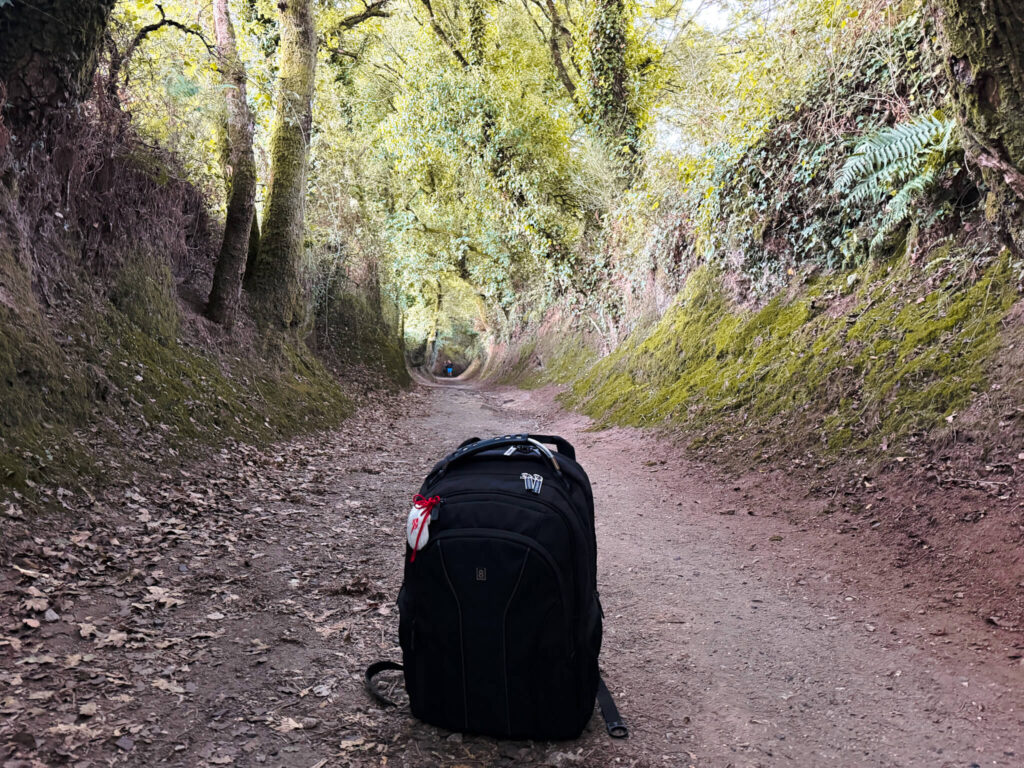
I traveled with my usual LEVEL8 backpack, which I managed to fit under the airplane seat. This meant I could avoid paying for additional luggage on the flight. Since my parents were traveling with suitcases, I transferred my toiletries and other items into their luggage before we started walking.
My daily backpack was relatively light. I carried a collapsible water bottle, my phone, headphones, a rain jacket, and a few snacks, while leaving enough room for anything I might want to pick up along the way.
As I mentioned in my Camino book post, I was also hoping to buy a few books by Spanish authors during the trip, so having some extra space came in handy!
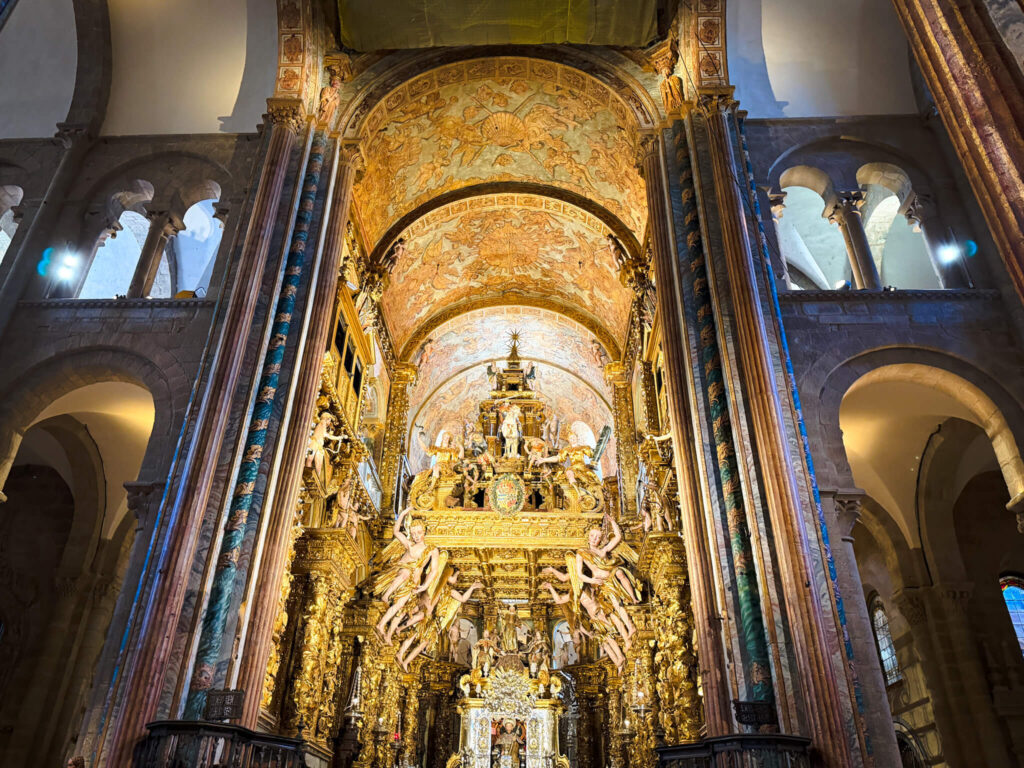
A practical note if you plan to visit Santiago Cathedral: large backpacks are not allowed inside. My backpack was small enough that staff let me enter after checking it, but I would not count on being allowed in with a fully packed travel backpack.
If you are using a luggage transfer service, I recommend taking your favorite comfortable daypack rather than buying a special one just for the Camino. Just make sure it fits well and is not too heavy once you have packed your daily essentials.
5. Luggage Transfer: A Great Option if You Do Not Want to Carry Everything
If you like the idea of walking the Camino but do not want to carry a heavy backpack, luggage transfer services can make the experience much more comfortable. In fact, I expected us to be one of the few people using it, but in reality around 70% of the people on the trail walked with small backpacks, so we were in the majority.
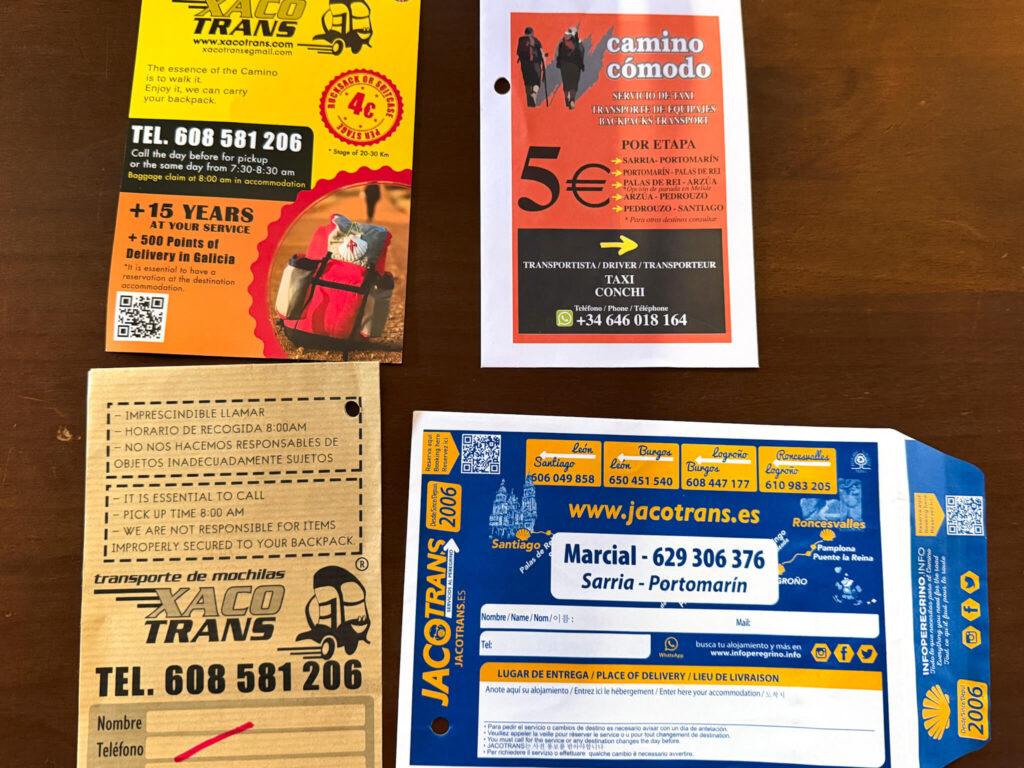
Several companies operate along the Camino Francés (I show you all the ones we saw and tested in this YouTube video). They collect your suitcase or backpack in the morning and transport it to your next accommodation, where it should be waiting when you arrive.
The process is usually straightforward. Your accommodation will have luggage-transfer envelopes or information available at reception. You fill in the necessary details, call them to say you’ll be leaving the bags, and leave your bag ready for collection according to the company’s instructions. Prices vary, but during our trip, we found services costing around €4–5 per bag per day.
We used several companies and had generally good experiences. Most companies have weight restrictions, often around 15–20 kg, so check the conditions before booking if you are traveling with a large suitcase.
In our experience, the luggage usually arrived at the next accommodation without any problems before we did. However, on the final day, our bags arrived later than expected, around 6 pm. Keep this in mind if you are planning to get changed or take a shower in Santiago immediately after finishing your walk.
Based on my own experience, I found the local luggage-transfer companies convenient and would choose this option again. If you are not confident communicating in Spanish, arranging with one company for the entire route in advance may make things easier. If you speak Spanish, you can often use whichever envelope you find in your accommodation or test a few different ones, like we did.
Luggage transfer is not essential, of course. Many pilgrims carry everything themselves, and there is something appealing about traveling with only what you need. But for us, especially when walking with my parents, it was a worthwhile expense that allowed us to focus on the experience rather than the weight on our backs.
6. Food, Water, and Supplies Along the Way
One of the advantages of walking the final stretch from Sarria to Santiago is that you do not need to carry a lot of food or water. The route is well supported, with cafés, bars, restaurants, shops, and pharmacies in many villages along the way.
What still surprised me, however, is that many places stick to the traditional Spanish lunch schedule along the Camino: closing around 4:30 pm and not reopening for dinner until around 8:00 pm. Knowing that most pilgrims actually arrive in the afternoon, I assumed every restaurant would stay open. While we did find some places open throughout the afternoon – especially in the city of Santiago de Compostela – keep in mind that if you arrive at 4:00 pm and want to shower and change, you might not be able to sit down for a full meal in local restaurants until later. However, there were always coffee shops and supermarkets available.
We usually bought bottled water and fruit at supermarkets in the villages where we stayed overnight. Each morning, I filled my collapsible water bottle with the bottled water we had purchased the day before.
There are fountains along the Camino where you can refill your bottle, but I personally do not like the taste of tap water (except in Iceland), so that was not a problem with the Camino water itself. You will find different opinions about drinking water from public fountains. Usually, if the water is not potable, it will be clearly marked by a sign.
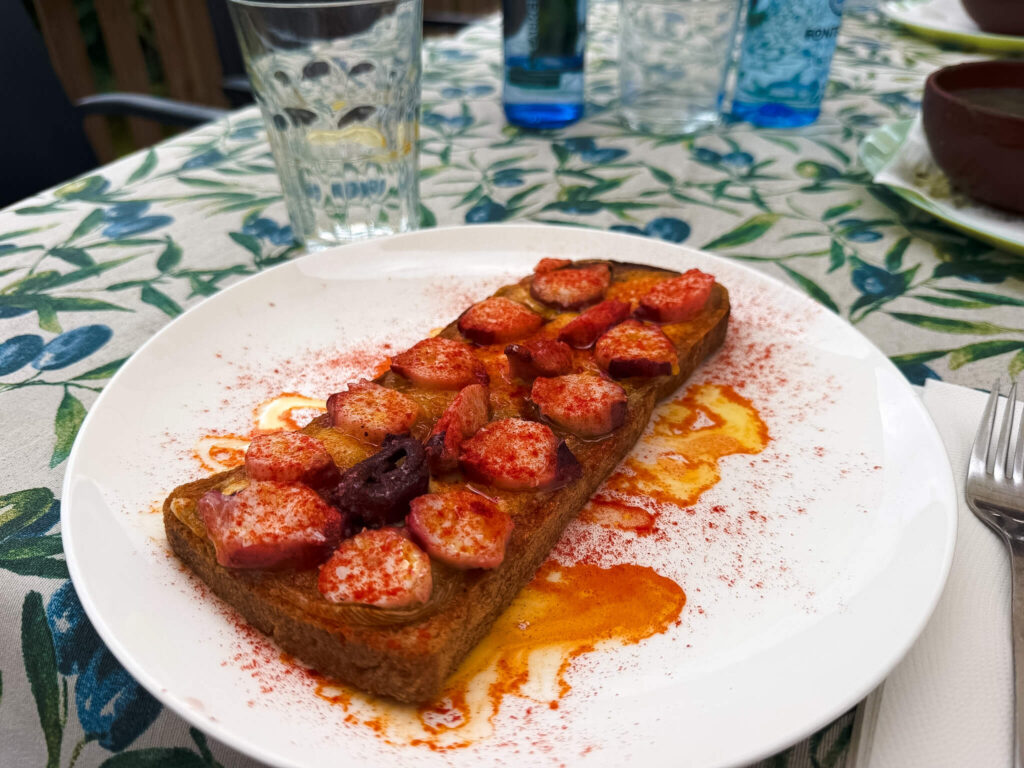
Prices at cafés and restaurants vary, but I found eating along the Camino reasonably affordable compared to other parts of Spain, particularly the south and east. Many places also offer a menú del peregrino, a set meal designed for pilgrims, which can be a convenient way to enjoy a substantial lunch or dinner.
You can check out the list of the best foods to try along the Camino Frances in this post.

7. Cash vs Card along el Camino Frances
We paid by card in most places, but cash was still useful.
Some cafes along the Camino Frances displayed signs stating that card payments were only accepted above a minimum purchase amount, such as 10-15 euros. You may also want coins for small purchases or donations.
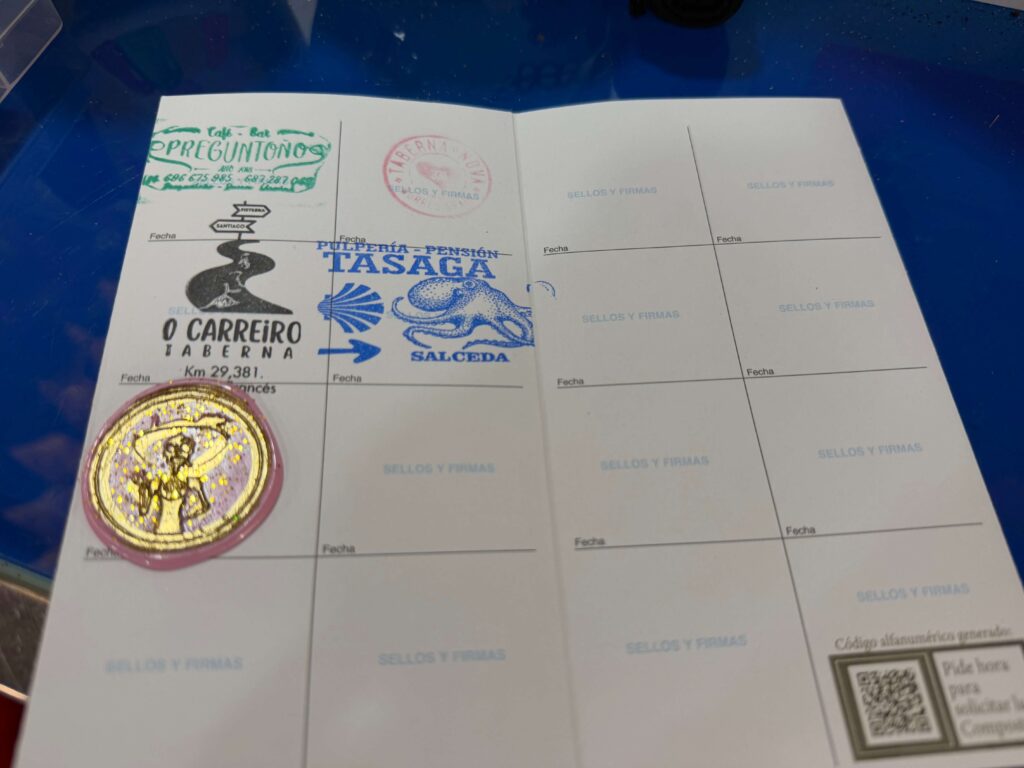
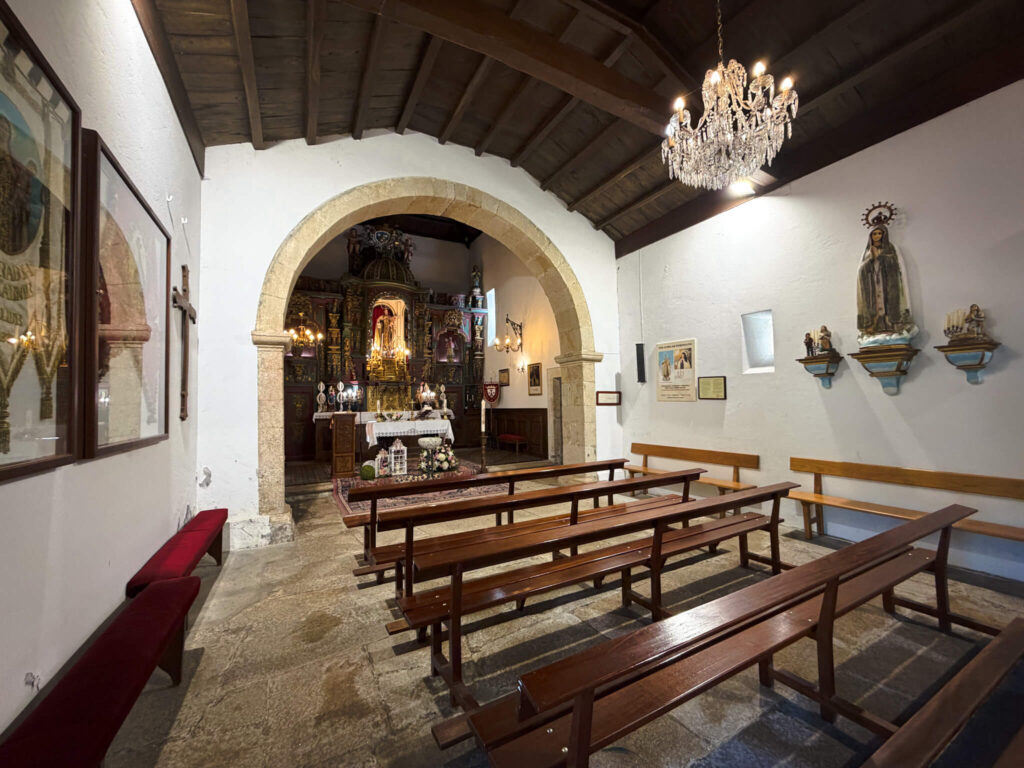
You will encounter churches, bars, and other places offering stamps for your pilgrim credential. Stamps are often free, but some places operate on a donation basis or encourage visitors to contribute a few euros. Carrying a little cash (coins) makes these small transactions easier.
8. Apps, internet, and transport during El Camino
An eSIM for El Camino
Many pilgrims use the Buen Camino app to check upcoming towns, accommodations, services, and distances. I mostly used Google Maps and found it sufficient for my needs.
However, there were moments when we had little or no phone reception along the route. The internet connection at some of our hotels was also rather average.
If staying connected is important to you, consider arranging an eSIM before your trip. Just remember that no provider can guarantee coverage everywhere, particularly in more rural areas. I usually use a Holafly on my trips ( you can use ATLIFESTYLECROSSROADS for for a 5% discount) .
Also, for this trip, I booked bus tickets from Santiago to Sarria with Omio, and flights with Kiwi, as I love that they handle the check-in for you.
Keep in mind that Sarria is almost never the final stop on the bus route, and there aren’t many departures per day. Most buses (usually operated by Monbus) are bound for larger destinations like León, so ‘Sarria’ won’t be displayed on the bus panel. The line at the bus station ticket office was huge, so I was relieved to have booked our tickets in advance – though funnily enough, the driver didn’t even have a scanner and just let us board!
Getting a taxi at Santiago de Compostela airport was unexpectedly complicated. Uber and similar apps are not allowed, and non-city taxis dropping off passengers are legally prohibited from picking up new ones. This creates huge lines for the few official taxis available, leaving room for unauthorized drivers to approach waiting tourists and quote double or triple the fixed fare.
On our return trip from the hotel to the airport, we were told the fixed rate plus the call fee would come out to €26 or €27, but our driver switched on the meter as we approached the terminal, bringing the final total to €28 or €29. Although I was not going to make a scene over a €2 difference – and even though I frequently leave a tip in Spain when drivers help with heavy luggage or recommendations – the experience felt unnecessarily dishonest.
To avoid the long lines, fee confusion, and local taxi monopolies, I think next time I will pre-book an airport transfer, like Welcome Pickups. While a private transfer is more expensive than the flat rate, skipping a potential two-hour wait is well worth the extra cost. Plus, paying online in advance means no awkward surprises or arguments at the end of the ride. I used them in Gran Canaria, it was actually a regular taxi car, but the driver met us directly in the drop-off area where relatives would normally pull up. I will be sure to update this post once I test this option on my next Camino!

9. The Social Side of the Camino: Solitude vs Connection
One thing I loved about walking the Camino was that it can be as social as you wish. Pilgrims were really friendly to each other, but even though the Sarria-to-Santiago section – the final stretch of the French Way – is a busy route, many people walk it alone or within their own groups. If you do not wish to socialize, you can easily enjoy plenty of solitude and walk on your own with headphones, which many people do.
You will often encounter the same pilgrims repeatedly, whether on the path, at a café, or at your accommodation. People are generally friendly, and instead of a simple hello or goodbye, you will frequently hear the familiar greeting ‘Buen Camino!’, especially when passing someone.
Sometimes, a fellow pilgrim might start a conversation about the weather, the distance ahead, or where you plan to stop for the night. If you stay in albergues, you will have even more opportunities to meet travelers and share experiences.
But you do not have to be constantly social.
I spent plenty of time listening to audiobooks, especially when I wanted some quiet. At other moments, I preferred to walk in silence and take in the countryside around me. I also had some lovely, long conversations with my parents as we walked together.
This is one of the things I appreciated most about the experience: the whole day is structured around walking, but there is still room for different moods and moments. You can connect with other pilgrims, spend time with your travel companions, or simply enjoy your own thoughts.
For this reason, I think the Camino can be a wonderful solo trip, but it can also be a meaningful experience to share with a parent, partner, friend, or older child. Walking together gives you time to talk without the usual distractions of everyday life – or just comfortably enjoy the silence together.
10. Do You Need to Train Before Walking the Camino?
I would not say that you need an intensive training plan to walk the Camino from Sarria to Santiago. However, I would strongly recommend getting your body used to longer walks before you go.
The distance might not sound too intimidating when you first look at the itinerary, but walking several days in a row is different from taking a long walk once or twice a week. Even if you are generally active, your feet, legs, and back need to adjust to the repeated effort.
Before our trip, I was averaging around at least 10,000 – 15,000 steps a day for several weeks. I was reasonably fit and used to hiking, so I assumed I would manage the Camino without too much difficulty.
Still, the walking was more demanding than I expected.
I tracked my activity with my Ultrahuman Ring, and one of our Camino days reached around 34,000 steps. That is a lot of walking, particularly when you have to get up and do it again the following morning.
My advice is to start with what feels manageable. Go for longer walks in your local park, walk on a treadmill, or take weekend hikes if you have access to suitable trails. If possible, try walking on consecutive days so you can see how your body feels when it has to recover overnight and do it all again.
You do not need to arrive in Sarria as an athlete. But having some walking experience and being familiar with your shoes will make the journey much more enjoyable.
And if you are worried about the physical challenge, remember that you can adjust the itinerary. Splitting the longer stages into shorter days is one of the easiest ways to make the Camino more manageable.
My Impressions After Walking the Camino Frances for the First Time
We loved this Camino adventure, but because it is still quite recent, I am still processing the effect of this trip on me. As I shared in my YouTube video, it definitely felt special and memorable. While I am unsure if it was the most groundbreaking trip I have ever taken, I know many people who say it was for them – and I honestly think that in retrospect, I might find even deeper meaning in this journey, especially since walking with my parents made it so special.
We were tired at the end of each day, and there were moments when the physical challenge felt harder than expected, but the mental relaxation and unplugging that comes with it is real. So far, I think I will definitely have another Camino experience in the near future.
If you are considering walking the final 100 km of the Camino Frances for the first time, I would absolutely encourage you to do it. Choose an itinerary that suits your fitness level, prepare a little beforehand, and allow yourself to experience the journey at your own pace.
Pin it:
For more Spain travel tips check out my Pinterest board Spain Travel Collection and Flipboard Travel to Spain.

- Accommodation: For short stays, I usually book via Agoda and Booking
- Tours&excursions: My favorites for guided tours are GetYourGuide and Viator
- Museums&attractions: Get mobile tickets for attractions via Tiqets (use ATC5 code for a 5% discount via this link)
- Semi-private & private tours: LivTours is my favorite place for unique & crafted experiences in Europe
- For Foodies: Eatwith is a unique platform for finding culinary experiences with locals around the world
- Audio guides: Book audio excursions & tours in 35+ countries via WeGoTrip
- Flights: Find the best deals with Skyscanner and Kiwi
- Driving in a new country? – Check out Tripiamo guides (do not miss Tripiamo Driving in Spain Guide)
- Train&bus tickets: Currently, I book via Omio (10% off with code ATC10 for first-time customers)
- Car rental: To find the best deals, I use Discover Cars
- Top E-Sim: To avoid roaming fees, I like Holafly (use ATLIFESTYLECROSSROADS for for a 5% discount)
- Shop My Level8 Suitcase: get 15% off with the code ATC15 here
- Internet Security on the road: Connect safely to public Wi-Fi and bypass censorship with NordVPN
- Transfers: For individual transfer services, I like GetTransfer and Kiwitaxi
- Suitcases&Luggage: Discover where to store your luggage on the go with Radical Storage
- Travel Insurance: Find the best trip insurance plans via VisitorsCoverage and EKTA
- Compensation for delayed/canceled flights: Check out AirHelp and Compensair
- Renting Bikes: To find motorcycles, scooters, quads, and bicycles, I use BikesBooking
- Package Tours: Head to CheapOair and Expedia
- For Bloggers: To monetize my blog, I work with Travelpayouts and Stay22
- Website Owners: For hosting services, I work with and recommend Lyrical Host (get 10% off with my code ATC10)


Recent Comments